
|
|
| Author |
Message |
compact

Joined: 11 Jul 2007 Posts: 242 Location: United Kingdom
|
Posted: Thu Apr 05, 2012 8:33 pm |
|
|
1930's semi
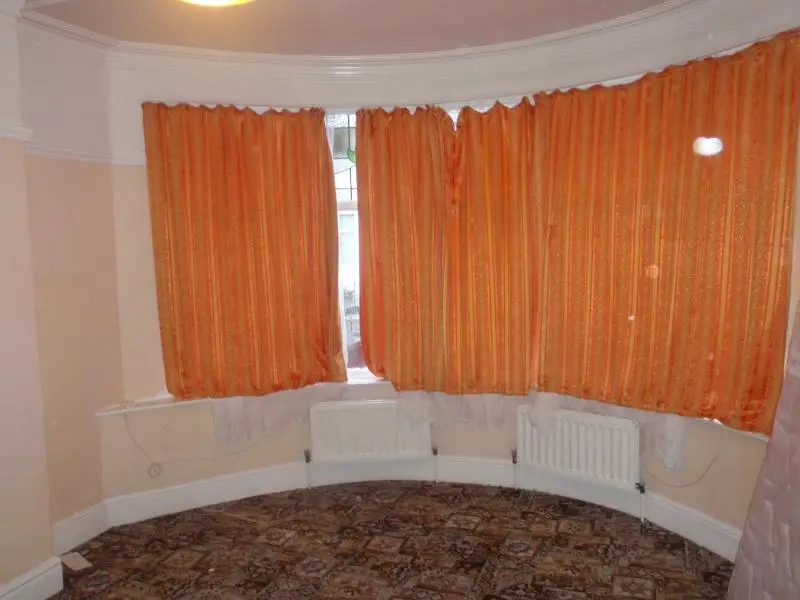
Front ground floor, will be stripping wall with chimney for sound proofing.
Most likely will take walls back to brick and a few echo's when kncocking.
So, is it worth trying to keep the coving, or can I get nice replacements, including the curved bay (will that be hard to plaster??)
hopefully you can see in my photo
 |
|
| Back to top |
|
|
|
If you do not want to see this advert, click here to login or if you are new click here to join free. |
 |
peaps

Joined: 22 Aug 2011 Posts: 1311 Location: Derbyshire, United Kingdom Thanked: 53 times
|
|
| Back to top |
|
|
|
 |
1john

Joined: 03 Oct 2009 Posts: 3341 Location: West Glamorgan, United Kingdom Thanked: 339 times
|
Posted: Thu Apr 05, 2012 10:24 pm |
|
|
You can try and keep the coving, I cannot remember any project I've been on where it has survived walls being hacked off. I do know you can get a template made of whats there and have new coving cast as a replica of the original, last time I was involved on a project where this was done iirc it cost £200 to make the mould and £20 per linear meter to produce install, the last was a few years ago now and I have never seen a curved one done. You would have to presume that it would need to be cast in place. If the coving starts coming away you may well start loosing your ceiling too. |
|
| Back to top |
|
|
|
 |
stevethespreader

Joined: 19 Dec 2009 Posts: 1662 Location: Hampshire, United Kingdom Thanked: 198 times
|
Posted: Fri Apr 06, 2012 8:05 am |
|
|
if you want to hack off the chimney wall and keep the coving you could use an angle grinder to cut the plaster below the coving before you start hacking, or you could just take off the coving on that wall and have just that part replaced after you have soundproofed, i see no reason to strip the coving from the whole room, why do you want to start messing with the rest of the room ? it looks fine to me. |
|
| Back to top |
|
|
|
 |
compact

Joined: 11 Jul 2007 Posts: 242 Location: United Kingdom
|
Posted: Fri Apr 06, 2012 8:13 am |
|
|
Cheers for the replies.
I may try the angle grinder approach.
I'm opening up the wall between front and back rooms and was worried that no matter how delicate I was being, it might end up cracking and falling off.
Here goes nothing  |
|
| Back to top |
|
|
|
 |
peaps

Joined: 22 Aug 2011 Posts: 1311 Location: Derbyshire, United Kingdom Thanked: 53 times
|
Posted: Fri Apr 06, 2012 10:16 am |
|
|
| compact wrote: | Cheers for the replies.
I may try the angle grinder approach.
I'm opening up the wall between front and back rooms and was worried that no matter how delicate I was being, it might end up cracking and falling off.
Here goes nothing  |
NOOOOO don't use an angle grinder!!!!!!!!!!!!
In all probability this was run in situ. You need to chop it out with a scutch.
Cut a line about 12inch down from the cove but just go about half way through the lime plaster, then start hacking the wall off from the bottom up until you reach the cut, then it's just a matter of taking your time if you want to take it all the way upto the cove.
You won't be able to replace it but it can be repaired if you get crack or if sections fall off, it's not too difficult to do and won't cost the earth. If you need advice repairing the cove let us know when you have knocked the wall. |
|
| Back to top |
|
|
|
 |
handyman77

Joined: 08 Nov 2011 Posts: 840 Location: London, United Kingdom Thanked: 41 times
|
|
| Back to top |
|
|
|
|
|
 |
|
|