
Table of Contents
- The problem
- Safe checks (easy)
- Proper fix – good/better/best
- Bodges/mistakes to avoid
- Specialists to bring in
- Reality check
The problem
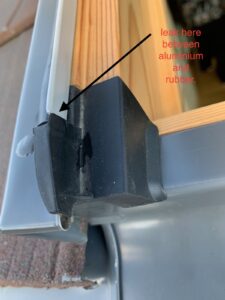
The leak is with my four year old centre pivot roof window which is only leaking in very windy rain conditions. The water appears internally (at the bottom) left hand side. When I inspected the internal frame further I could find no signs of water anywhere else except for the same area where the wetness appeared. I have checked the external surface and can see nothing out of the ordinary. It makes it difficult to identify which issue is responsible i.e. either the flashing, the window frame itself, blocked drainage channels or simply due to the low angle of the pitched roof. Which item(s) would be the most important thing to inspect first? And what would be an acceptable method of repairing this type of roof window?
This is quite a common type of problem found within many homes across the UK. Prior to spending any money on repairs, carry out two simple investigations to ensure you are addressing the root cause of your problem rather than treating the symptoms. I will outline what may have caused this particular issue, what you can investigate yourself and what constitutes a suitable repair for such a problem – along with some of the more usual bodges that typically fail quickly.
Safe checks (easy)
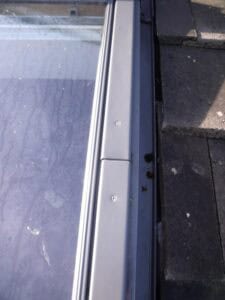
On a dry day, while safely able to access the area:
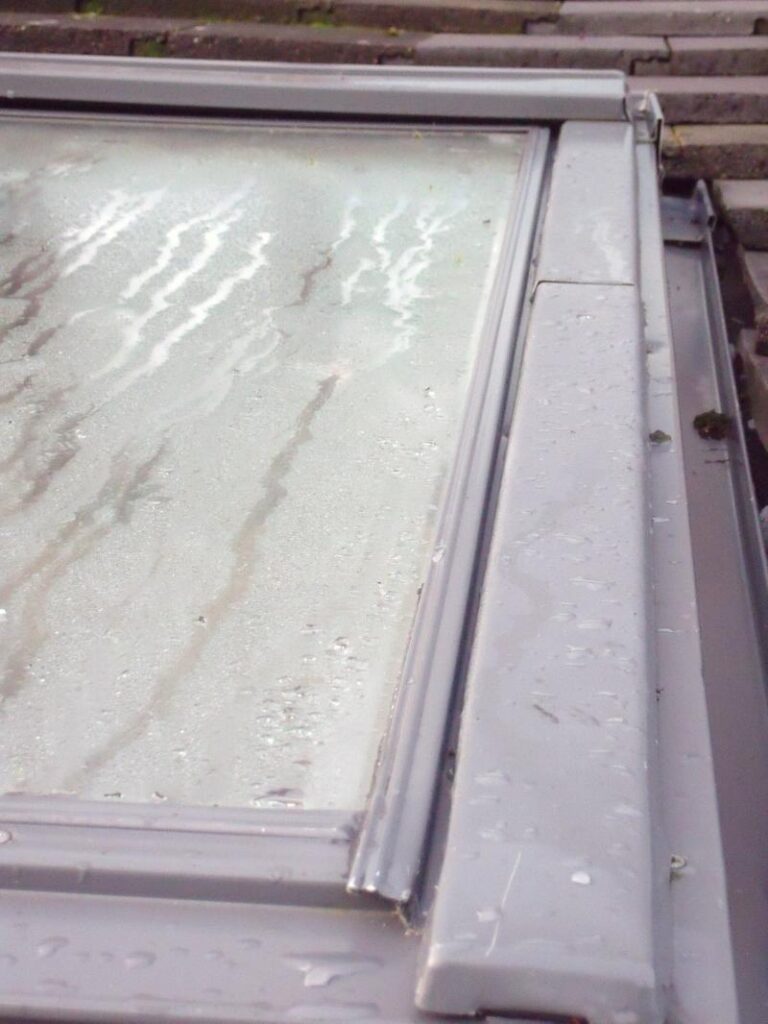
- Check the exterior frame and seals for moss, debris, and leaf litter.
- Clean these areas if necessary. If the leak disappears immediately after cleaning, it indicates that debris was clogging drainage channels or preventing water from flowing away.
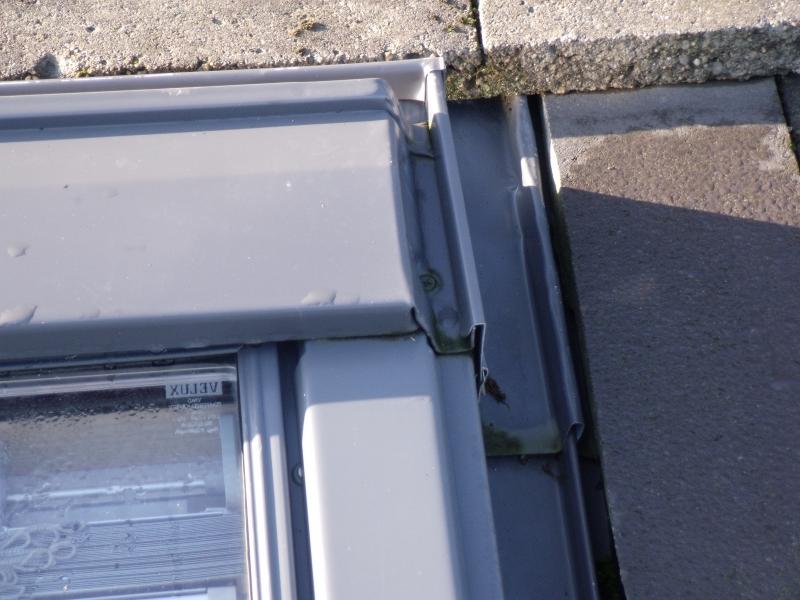
- Inspect the bottom and sides of the aluminium trims.
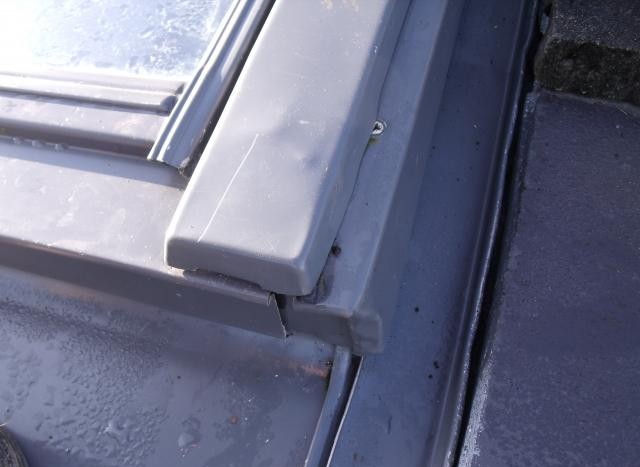
- Look for bent pieces, gaps, uneven edges, or anything else that looks slightly askew. Even a small crack can allow wind-driven rain to enter.
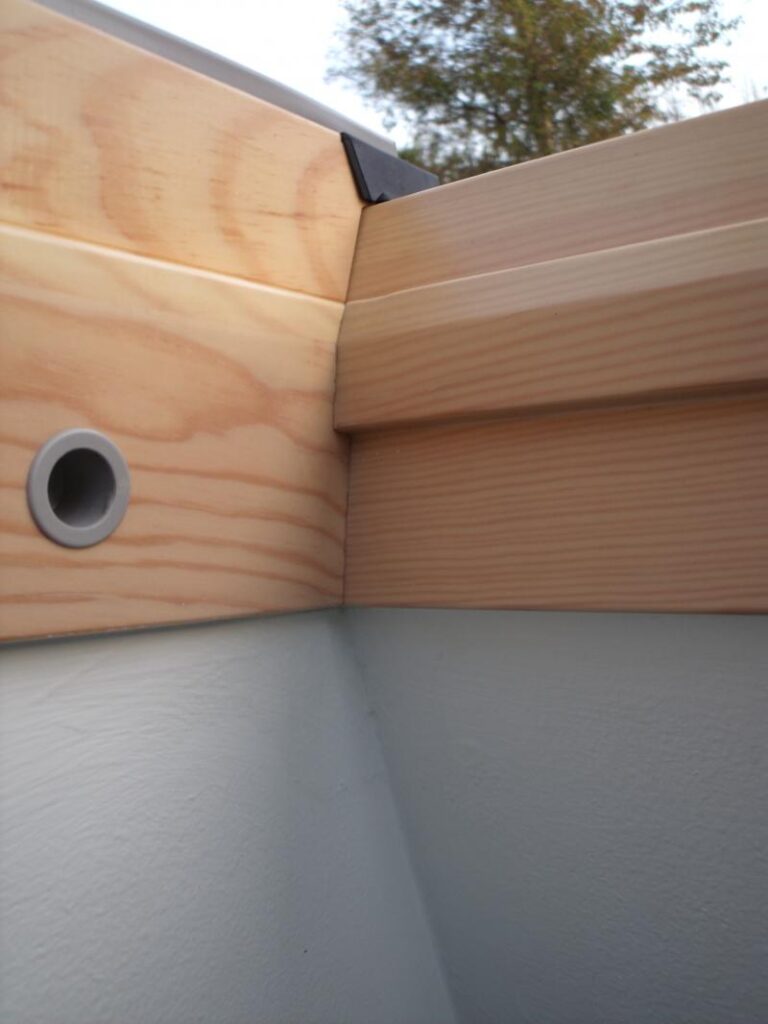
- Examine the rubber seals, are they dirty? Slime-covered? Holding beads of water?
- Cleaning seals is possible. If you notice water collecting and dripping down the seal lines, it indicates that water is seeping in there.
- Check the screws fastening the external covers.
- Any screws that stick up from the surface or appear to be driven crookedly could be trapping water or distorting the covers enough to create a water pathway.
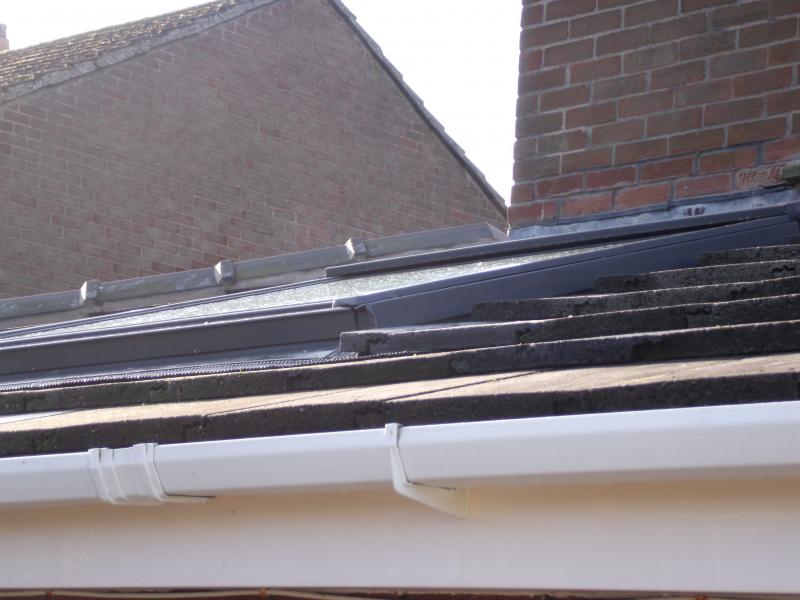
- Observe the adjacent roof tiles, do any of them seem to be standing higher than others? Cracked? Gaps visible underneath?
- Wind can drive rain upward and toward the window opening via gaps in these tiles.
- Take note of the interior condensation patterns.
- Is the leak confined to winter months only? Are both the glass and seals visibly wet with condensation?
- Some of what appears to be a leak may really be moisture developing and running down.
Proper fix – good/better/best
Good – minor defects cleaned/adjusted/resealed
Some minor issues can be resolved by thoroughly cleaning and repairing some minor defects. These include cleaning channels and seals, bending out-of-place trim, re-tightening loose fasteners, and sealing a single identified location where water is observed to be entering.
Better – strip back local flashing & investigate
If none of the above-mentioned issues present themselves, then a logical next course of action would be to remove or raise the flashing around the problem area to determine where water is actually entering. Do not guess – prove it. Ideally, you wish to visually verify whether water is being forced behind the flashing, if either side channel is clogged, or if the problem lies further up and water is flowing downward. This is typically when an experienced roofer earns his keep since he/she knows what should be there and what appears amiss.
Best – corrective repair based upon Pitch & installation
If the Roof Pitch is marginal for a given style of Roof window, or if the flashing kit installed is inappropriate for the type of roofing material used, patching may merely postpone additional problems. If it were my house, I’d want confirmation from an installer or roofer regarding three items: that the Roof Pitch is adequate for use with that style of Roof window; that an appropriate flashing kit was utilised for the roofing materials; and that the surrounding tiles are positioned correctly and draining appropriately. If any one of these requirements is not met, then a long-term correction will probably necessitate redoing part or all of the installation instead of repeatedly attempting to repair leaks in various corners each year.
If very old roof window system units are currently leaking, replacement may ultimately represent a better option than continued attempts at fiddling with minor repairs – particularly if timbers, seals, and/or outer trims are old.
Bodges/mistakes to avoid
- sealing everything in sight with caulk
- caulk can trap water instead of direct it away from your home.
- not inspecting frame and trims prior to assuming flashing issue
- leaks at the corners of windows often have a lot more localised causes than people initially assume.
- neglecting tiles around window
- poor-fitting or high-crowned tiles near a window can cause wind-blown rain to accumulate underneath them and eventually trickle into the window opening.
- allowing debris to remain crammed in around seals
- leaving debris packed around seals provides water with an ideal environment in which to collect.
- only trying to fix leak from inside
- sealants applied internally will primarily mask symptoms rather than address root causes.
- performing repairs while working on a wet Roof without safe access
- no amount of repair is worth risking serious injury.
Specialists to bring in
You may perform some basic cleaning and inspections yourself if you can safely access the area. For instance:
- lifting/removing flashing
- adjusting/tightening tiles surrounding the window
- determining where the leak begins (especially during extreme weather events)
- low-pitched roofs
- signs of poor original installation suitability for your Roof covering
But if in doubt, you need to call a specialist who can help you without risking your safety. You will also need to disconnect electrical power if you suspect any damage has occurred to ceiling-mounted lighting fixtures, wiring, or ceiling board due to leaking water. If you are unsure how to safely disconnect electrical services in your home, call a qualified electrician to assist.
Reality check
Leaks from Roof windows can be difficult to diagnose because the source of most leaks originates elsewhere than directly under where you observe evidence of leakage. There will be some degree of experimentation required to identify the true origin of such leaks, and there are instances where you won’t fully understand what is occurring until you’ve removed sufficient flashing or other components to view what is taking place underneath. Use protective drop cloths to protect surfaces before beginning repairs, and provide ample drying time/curing time for any caulking/sealant repairs made using sealants/tape. Preparation will provide longevity for such repairs.