
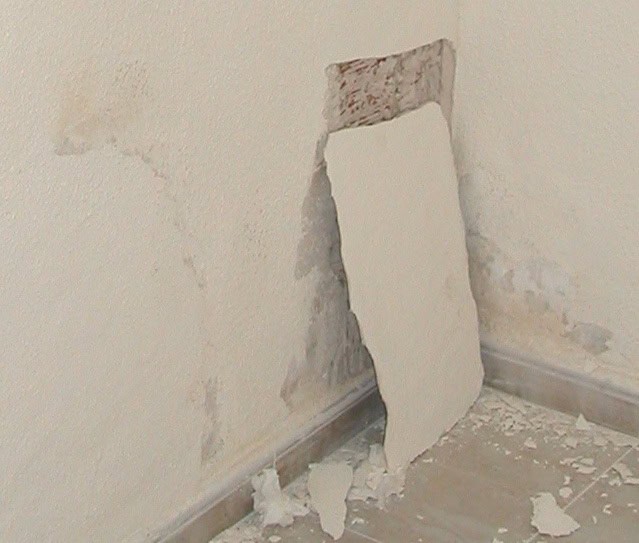
If you’ve just moved into a house and are concerned about damp, you’re not alone. Damp is one of UK homeowners’ most common issues, particularly in older properties. You might be tempted to grab a digital damp meter and start prodding your walls for readings – but what do the numbers mean, and when should you be worried?
Understanding Wall Moisture Readings
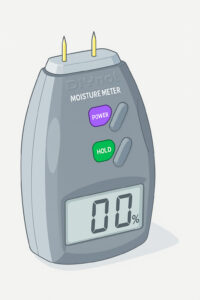
Let’s start with the basics. Most handheld damp meters are designed for timber, not plaster or brick. They measure surface moisture through electrical resistance, so they can be affected by lots of different things – condensation, salts, and even wall coverings. That means their readings on walls should be taken at face value.
That said, a damp meter can still help identify areas that stay persistently wet or react differently to the rest of the room. The pattern and relative differences matter more than the exact number.
What Moisture Levels Are Normal?
- 0-15%: Generally considered dry for most internal wall surfaces.
- 16-19%: Borderline – keep an eye on these areas, especially if near external walls or windows.
- 20-30%: Raised moisture levels – could be recent water ingress or drying out after a leak.
- Above 30%: Usually a sign of trouble – either active damp, trapped moisture, or plaster contaminated with hygroscopic salts (which draw in moisture).
Bear in mind that upstairs walls can sometimes give higher readings than expected, especially if they’ve been recently wet and are drying out. Likewise, chimney breasts or solid walls can retain moisture longer, especially if water has entered through faulty roof tiles or flashings.
Why Your Damp Meter Might Be Lying
Damp meters don’t tell you exactly how wet a wall is – they just indicate electrical resistance. Suppose your wall plaster has salts (left over from a historic leak or rising damp). In that case, the meter may show artificially high numbers even if it’s actually dry. On the flip side, a recently cleaned or painted surface might seem bone dry while still holding damp deeper inside.
What Can Affect Damp Readings?
- Time of day or season: Morning dew or colder conditions can increase surface moisture.
- Room heating: Warm air helps reduce humidity – turning your heating on consistently can help dry out walls.
- Ventilation: Without airflow, moisture lingers. Make sure rooms are aired regularly.
- Surface materials: Different plasters, paints, or coverings will affect readings.
Tips for Monitoring Damp the Right Way
- Use the meter only as a rough guide – focus on patterns, not precise numbers.
- Give new plaster or previously damp areas time to dry – often several weeks or months.
- Keep rooms warm and ventilated. Avoid decorating until you’re sure the damp has gone.
- Feel the wall with your hand – if it feels cold and clammy or looks discoloured, it’s probably not dry yet.
- If in doubt, consult a specialist who can diagnose properly, especially for rising damp or leaks.
Chimneys and Roofing – Common Damp Traps
It’s not uncommon to find high readings on a chimney breast where rainwater has come through cracked roof tiles and run down into the masonry. Even after fixing the roof, the chimney can remain damp for weeks. In such cases, the plaster can take a long time to dry, and salts can cause lingering high readings.
If you’re planning a loft extension or re-roofing, always consider reusing Welsh slates if you have them – they’re hard-wearing and expensive to replace. Handle them carefully during removal to avoid waste and extra cost.
When to Worry
If your meter consistently shows high readings (say 25%+) in the same spot weeks after fixing any known leaks, and there are visible signs like mould, peeling paint, or tide marks – then it’s time to investigate further. Alternatively, should the meter readings fluctuate depending on time or place, and the room feels warm and dry, then chances are you’re just seeing a normal seasonal variation.
Conclusion
As helpful as damp meters can be, it is crucial to understand their limitations. It is essential not to take measurements at face value when used on internal plaster walls. Readings should instead be used to look for patterns, physical signs and hopefully an improvement over time. Warmth, airflow and patience are the best tools to dry out a damp home.