
Table of Contents
- Typical Heating Time for an Immersion Heater
- Immersion Heater Time Calculator
- Why Your Water Might Not Get Hot Enough
- How Long Should an Immersion Heater Be Left On?
- Dual Element Systems
- Unvented Cylinders with Boilers
- Tips for Better Performance
- Conclusion
- Related Forum Threads
Immersion heaters are a common way to heat water in UK homes, particularly where gas is not available or as a backup to a boiler system. However, many people are unsure about how long to leave them on, what to expect in terms of hot water output, or why things might seem slower than expected.
Typical Heating Time for an Immersion Heater
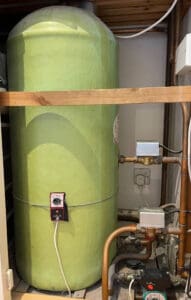
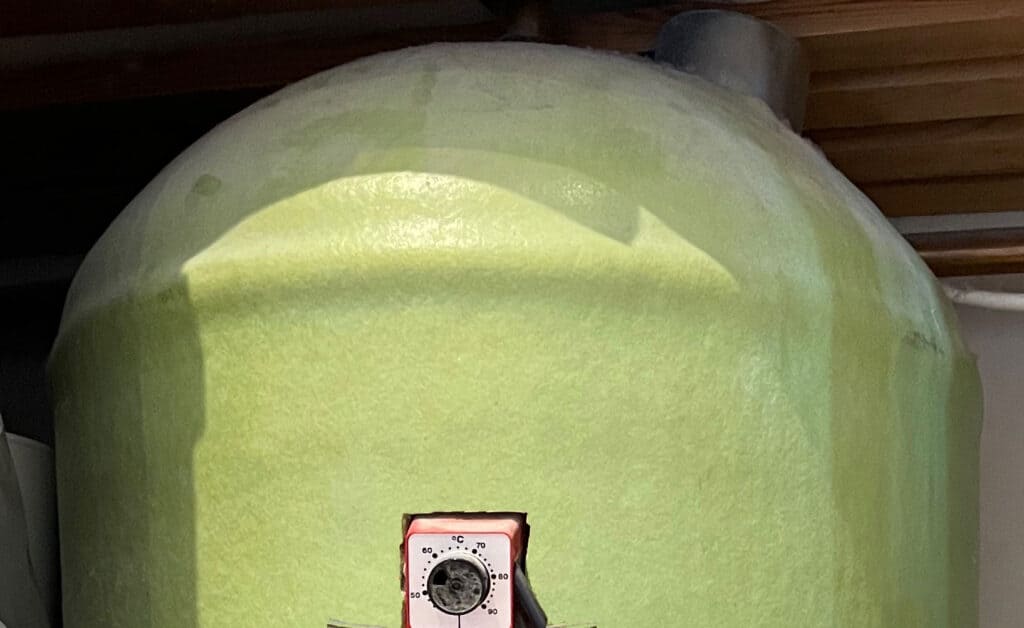
A standard 3kW immersion heater will typically raise the temperature of water by around 1°C per 1.6 minutes per 100 litres. As a rough rule of thumb, it takes around 1 minute per litre to get from cold (say 10°C) to a usable hot water temperature (about 50-60°C). So, a 120-litre cylinder could take approximately 2 hours to fully heat up from cold.
Keep in mind that only the water around the element gets heated. If your immersion heater is near the top of the tank, it will heat a small volume quickly but leave most of the tank cold. A bottom-mounted element will take longer, but heats more of the tank.
Immersion Heater Time Calculator
Why Your Water Might Not Get Hot Enough
If your immersion seems to take forever or produces only a short burst of hot water, it could be due to one of the following:
- Short element: A shorter heating element (or one mounted near the top) may only heat part of the tank.
- Thermostat location: If the thermostat isn’t deep enough into the tank, it may switch off the heater too early, before the water below has heated.
- Faulty thermostat or element: The immersion heater may be working partially, not reaching full temperature, or switching off prematurely.
- Stratification: Hot water rises to the top, and the lower part of the tank may stay cool. Without proper circulation, you get layers of water at different temperatures.
How Long Should an Immersion Heater Be Left On?
There’s no universal “correct” time-it depends on how much hot water you need and how your system is set up. A two-hour heating period will usually suffice for a bath or a couple of showers if the tank is heated from the bottom. If you have a top-entry immersion heater and you’re only getting lukewarm water, try extending the heating period to 3-4 hours or check the thermostat setting and length.
Dual Element Systems
Some hot water cylinders come with two immersion heaters: one at the bottom (often connected to an off-peak tariff like Economy 7) and one higher up for daytime use or boosting. The bottom one heats the full tank overnight; the top one provides a quick top-up when needed.
Using both correctly can help manage your energy usage. If you’re on Economy 7, it’s usually most cost-effective to heat your water overnight using the bottom immersion. Only use the top element during the day when extra hot water is needed.
Unvented Cylinders with Boilers
In systems where the immersion is a backup to a boiler (such as with an unvented cylinder), the immersion may be rarely needed. A modern boiler with a good flow rate can reheat a 170-litre cylinder in 20-30 minutes, compared to over 90 minutes for an immersion. So, if the boiler is working, the immersion can be used for emergencies.
Tips for Better Performance
- Set the immersion heater thermostat to at least 60°C to guard against Legionella bacteria, but no higher than 65°C to reduce scald risk and avoid wasted energy.
- If your hot water is cooling quickly, check for insulation issues on the tank or pipes.
- Test your thermostat and element if water is only warm despite long heating times.
- For top-entry elements, ensure the element and the thermostat are long enough to reach the lower part of the tank.
- Don’t assume the airing cupboard being warm means efficient heating – modern cylinders are better insulated and won’t lose as much heat externally.
Conclusion
An immersion heater typically takes 1.5 to 3 hours to heat a full tank of water, depending on tank size, element position, and water temperature. If it’s taking much longer or producing little hot water, check your system setup, especially the type and placement of the element and thermostat. With a well maintained system and proper use, immersion heaters can provide reliable hot water, even if they’re not the quickest or cheapest method available.