
Table of Contents
- Key features of Caulk and Filler
- When to Use Caulk
- When to Use Filler
- Can You Sand Decorators Caulk?
- Filler for MDF and Skirting Boards
- Can You Use Caulk as a Filler?
- Caulk or Filler for Skirting Boards?
- Tips for applying Caulk and Filler
- Related Forum Threads
Whilst improving our homes, it’s not unusual to come across gaps and cracks that need filling. The best way to tackle these gaps and cracks is with products like caulk and filler. How you choose to use caulk or filler depends on the situation you need to fix, as they are suited to distinctly different situations.
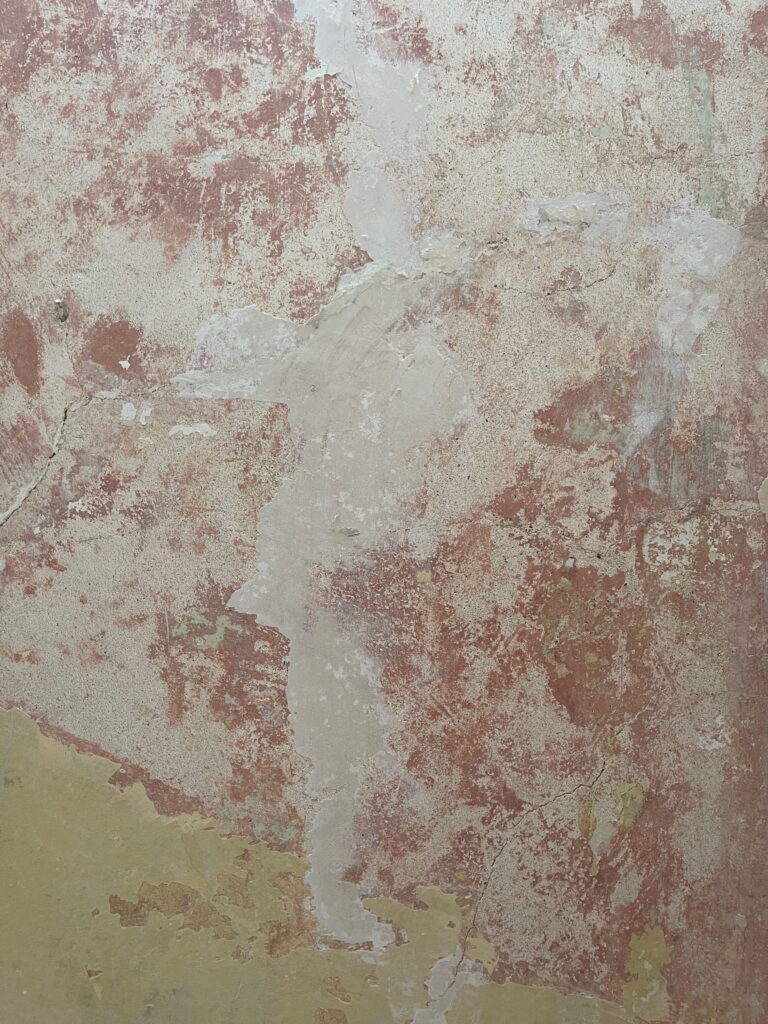
Key features of Caulk and Filler
- Filler: Filler sets hard, ideal for static repairs like cracks in walls or dents in woodwork. Filler can be sanded smooth and painted once dried.
- Caulk: Caulk remains flexible, so it is best for areas where some movement can be expected, e.g. along skirting boards or around architraves. Caulk can be painted (once fully dry), but not sanded.
Filler is better for repairs, and caulk is best for finishing.
When to Use Caulk
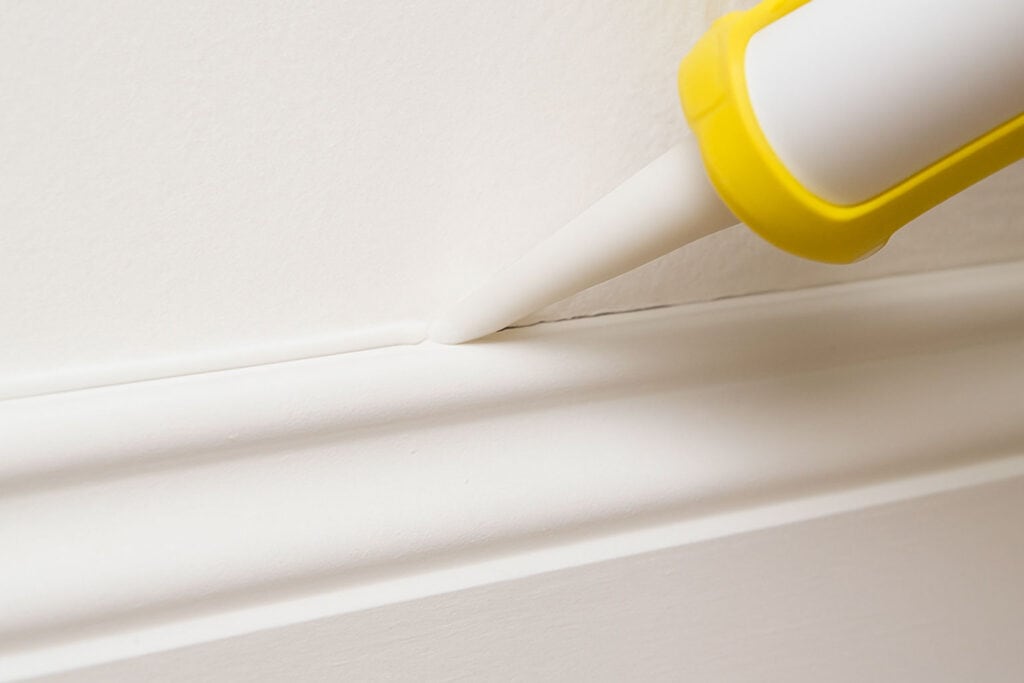
Caulk is ideal for sealing thin gaps, like those between a wall and a skirting board or architrave, where slight movement occurs over time. It’s also suitable for corners, ceiling coves, or between stair stringers and walls. Decorators’ caulk is designed for interior use and is overpaintable when fully dry.
That said, decorator’s caulk does shrink slightly and can’t be sanded. If you paint it too soon, the paint won’t adhere properly and may crack; therefore, it’s essential to allow it time to dry thoroughly. Everbuild 125 is a solid, reliable option for this type of work.
When to Use Filler
If you’re fixing dents, gouges, or cracks in plaster, wood, or MDF, then filler is the best thing to use. Unlike caulk, it hardens and can be sanded to a flush finish. For deeper cracks in walls or ceilings, a powdered filler, such as Polyfilla or Tetrion All Purpose, can be used. This type of filler should be pressed into the gap and sanded flat after it has dried.
Lightweight fillers such as Red Devil OneTime or Toupret RedLite are handy for small gaps or pinholes and create very little dust when sanded. They’re particularly useful on pre-primed MDF, where aggressive sanding can cut through the surface finish. However, they can be a bit soft and may leave a slight dip if over-sanded.

Can You Sand Decorators Caulk?
No, once dry, decorators caulk remains flexible and can’t be sanded like a hard filler. If you try, it tends to peel or tear. So, if the finish needs to be flush, use filler instead.
Filler for MDF and Skirting Boards
For mitre joints or fixing gaps in MDF architraves or skirting boards, a two-part wood filler is often best. It won’t shrink and can be sanded to a smooth finish. Everbuild, Metolux, or car body fillers like Upol Easy 1 all work well. These are harder to sand by hand, and ideally, it’s best to use a machine sander if tackling several joints.
For very small gaps, lightweight filler can be used, which is easier to sand by hand and avoids cutting into the MDF’s surface. Avoid standard one-part fillers for MDF-they shrink and don’t always adhere well.
Can You Use Caulk as a Filler?
Only in certain cases. Caulk works for thin, flexible joints, but it’s not suitable for deep holes or areas that will require sanding. It also doesn’t bond well in thicker layers and can slump or shrink back, leaving a dent. For anything over a hairline crack, use a proper filler.
Caulk or Filler for Skirting Boards?
- Top edge gap to the wall: Use caulk.
- Dings or dents in the board: Use filler.
- Mitre joints at corners: Use a two-part wood filler for larger gaps. For finer cracks, it’s best to use a lightweight filler.
Tips for applying Caulk and Filler
- It’s essential to allow caulk to dry before painting fully – don’t rush and paint too soon, as it will ruin the end result.
- If you use a primer on raw timber before applying caulk, it will help avoid the caulk from soaking in unevenly.
- Be sure to push the filler deep into cracks for so that it adheres correctly, and once fully dry it can be sanded smooth.
- For MDF, if possible avoid exposing the orignal raw MDF surface. Once sanded, it’s not unusual to require extra coats of paint to hide colour differences.
Choosing between caulk and filler depends on the surface, the gap, and whether flexibility or sanding is more important. Making the correct choice is essential to ensure the result will look sharp and last much longer.