
You are using an out of date browser. It may not display this or other websites correctly.
You should upgrade or use an alternative browser.
You should upgrade or use an alternative browser.
Plastering around window
- Thread starter mj007
- Start date
-
- Tags
- plastering
Tell them to saddle up their horses and fook off!!!!!
Thanks Roy
 are you a plasterer? Could you tell me the proper way this should be done? If I don't come prepared, they will tell me plasterers have been doing it like that for years...!
- Joined
- 19 Jan 2008
- Messages
- 2,373
- Reaction score
- 431
- Country

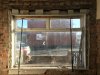
First of all is it a new window that has been fitted? They have fitted a batten across the top to hold the plaster board up. but if you look at the front edge it is curved. I have never seen the way they have packed the head out with P/B on edge!!! It looks like they have packed the sides out too much and you are not left with much of a margin around the window. It would be normal practice to dub the sides out with sand and cement so the window has a nice margin all the way round. Then when the main wall is scratched up you can fit your beads or you can set your beads up first so the window is all squared up. As for the head of the window it looks like there is a wooden beam across it. I would get some woodworm and dry rot fluid and mask up and get the gloves on and paint all the beam with it. You may aswell do this while you have it uncovered, then let it dry.(It wont take long to dry into the wood ) Then you will have to drop the level of the beam down with treated battens so you can plasterboard it. Done properly there should be an equal margin all the way round the window. Another problem that I can see is that with all the plaster board planted on the revels you could get damp tracking back through the revels. If the revels needed to be built out then they should of either dubbed it out with sand and cement or built a treated wooden frame against the revels and screwed to the wall. I could ramble on about putting building paper between the revels and battens but I tend to go for "overkill". So I would get rid of these boys and get some quotes and ask them how they are going to address your job and ask them what materials they will be using..I have not mentioned using bonding or other lightweight plasters as if any damp tracks back the light weight plaster will get damp too. Hope this helps I suppose the lads will also comment on what they think aswell..
Last edited:
First of all is it a new window that has been fitted? They have fitted a batten across the top to hold the plaster board up. but if you look at the front edge it is curved. I have never seen the way they have packed the head out with P/B on edge!!! It looks like they have packed the sides out too much and you are not left with much of a margin around the window. It would be normal practice to dub the sides out with sand and cement so the window has a nice margin all the way round. Then when the main wall is scratched up you can fit your beads or you can set your beads up first so the window is all squared up. As for the head of the window it looks like there is a wooden beam across it. I would get some woodworm and dry rot fluid and mask up and get the gloves on and paint all the beam with it. You may aswell do this while you have it uncovered, then let it dry.(It wont take long to dry into the wood ) Then you will have to drop the level of the beam down with treated battens so you can plasterboard it. Done properly there should be an equal margin all the way round the window. Another problem that I can see is that with all the plaster board planted on the revels you could get damp tracking back through the revels. If the revels needed to be built out then they should of either dubbed it out with sand and cement or built a treated wooden frame against the revels and screwed to the wall. I could ramble on about putting building paper between the revels and battens but I tend to go for "overkill". So I would get rid of these boys and get some quotes and ask them how they are going to address your job and ask them what materials they will be using..I have not mentioned using bonding or other lightweight plasters as if any damp tracks back the light weight plaster will get damp too. Hope this helps I suppose the lads will also comment on what they think aswell..
Thanks for your input !
This is an old window, they are just plastering around it. The batten they have fitted is merely to hold up the plaster board temporarily, it's not fixed. I can see it's curved, so it looks like their plan isn't working!

There is no plan there just a major bodge so get rid of them...
Will
Thats rough as rats whats the plasterboard under the bent sill packing the large gap.
I have no idea, this is what the "plasterers" have done !

DIYnot Local
Staff member
If you need to find a tradesperson to get your job done, please try our local search below, or if you are doing it yourself you can find suppliers local to you.
Select the supplier or trade you require, enter your location to begin your search.
Please select a service and enter a location to continue...
Are you a trade or supplier? You can create your listing free at DIYnot Local
Similar threads
- Replies
- 1
- Views
- 2K

- Replies
- 0
- Views
- 3K
- Replies
- 3
- Views
- 1K