
- Joined
- 31 May 2016
- Messages
- 28,728
- Reaction score
- 7,615
- Country

The tax payer will end up paying the £20Bn debt. The alternative is investment in UK utilities and Energy will collapse.

Leading to what? I don't care what the share price of my utilities provider is, what would the actual negative be to consumers.The tax payer will end up paying the £20Bn debt. The alternative is investment in UK utilities and Energy will collapse.
Who provides the money if not via investment.Leading to what? I don't care what the share price of my utilities provider is, what would the actual negative be to consumers.
Who provides the money if not via investment.
How you treat the collapse of one impacts the rest of the industry, even those who are successful.

Who provides the money if not via investment.
Yes.
"Ultimately".
Who wouldn't buy into UK utilities, when they've been shown that they can take the revenue, pay, bonuses and dividends, neglect the upkeep, then leave the taxpayer to pick up the tab?
It's getting a money back guarantee on the lychee of a lottery ticket.

Pass a law, take it back, sequestrate the assets, let the shareholders and creditors go to the wall. It always used to be the case that if a commercial business went bust it was the shareholders who lost their money, and some/all of the creditors.
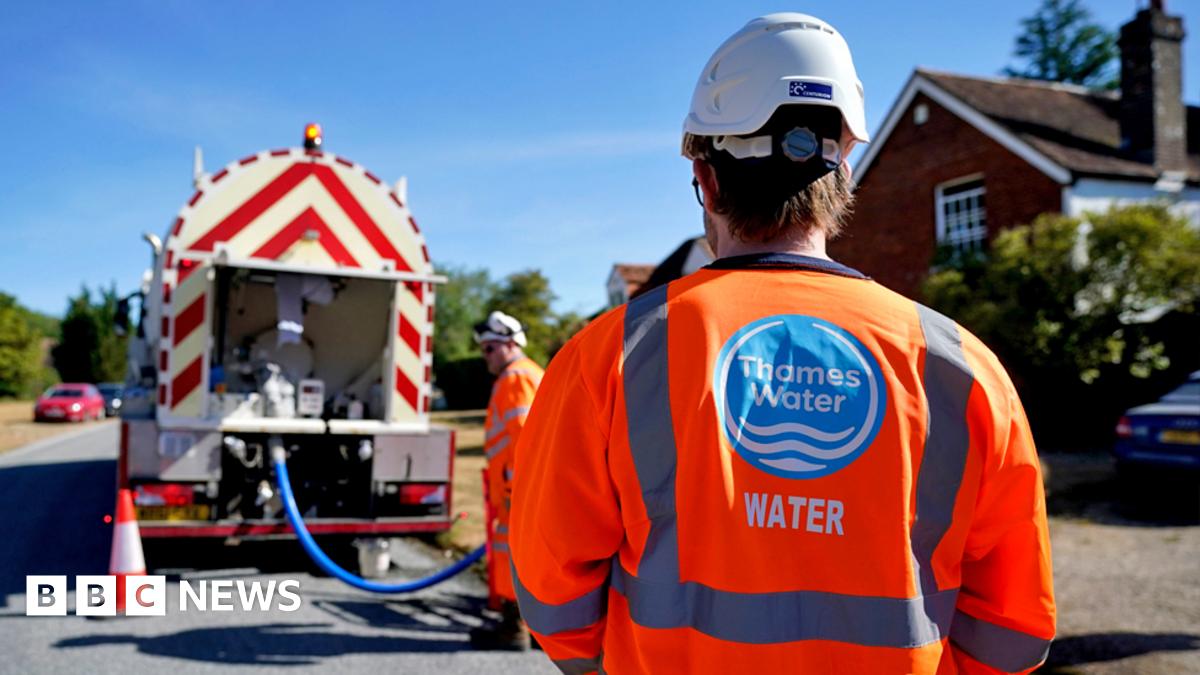
 www.bbc.co.uk
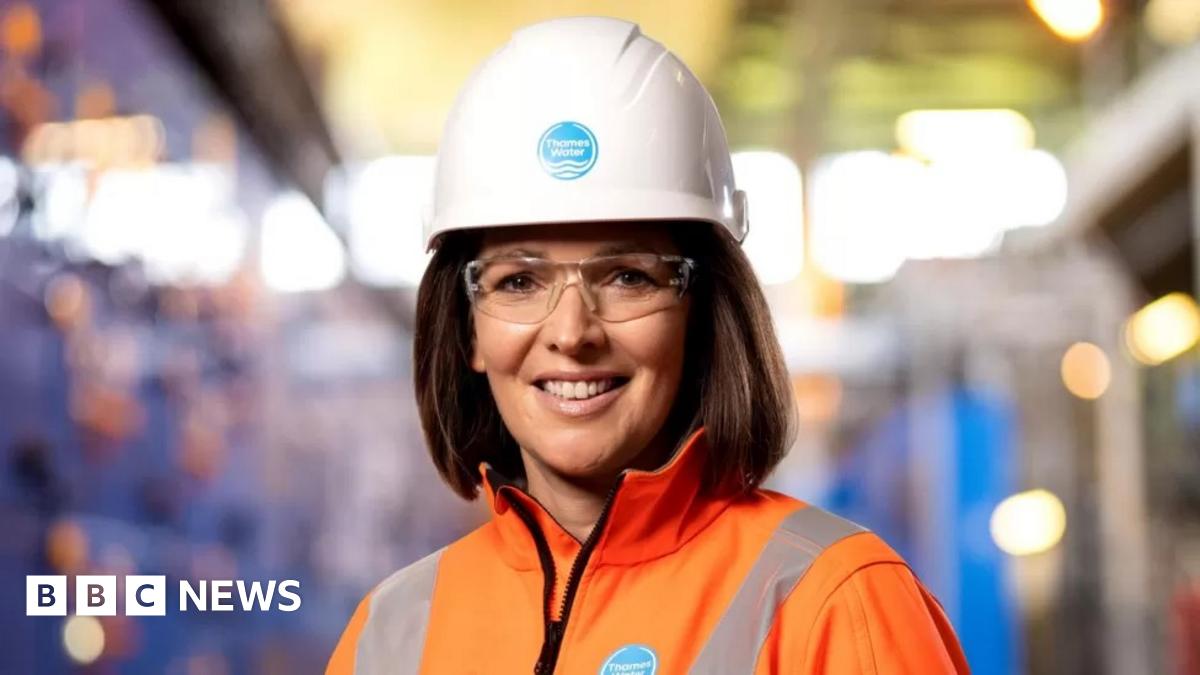 www.bbc.co.uk
An odd idea since the investors for Thames water have basically bled it dry and sucked the money out.Who provides the money if not via investment.
Which they become acutely aware of if it’s the state dictating the transfer. It discourages broader investmentPass a law, take it back, sequestrate the assets, let the shareholders and creditors go to the wall. It always used to be the case that if a commercial business went bust it was the shareholders who lost their money, and some/all of the creditors.
So where does the money come from?
And the lawyers' billsBut in this case it will end up in court and the tax payer will fund the debts.

