That would not help with my house. I have an all RCBO consumer unit, and two RCD socket supplied from the solar panel inverter, wired with SWA.
I can test, but
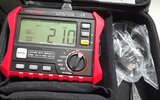
View attachment 398169 most DIY people can't, google shows
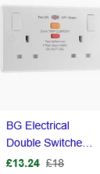
View attachment 398170so why not simply change the socket? Never mind trying to save a few pounds on a non RCD socket as MAY not be required, just swap it for another RCD socket, since sockets did have type AC RCD's and now they use type A RCD's it will not be the same as the one removed, and most people don't use and test enough to work out of the new types which are good and which are bad. Just replace it and see if it works.
The biggest problem is being able to turn it off. I know I struggled to find out how to turn off mine. Ended up unplugging the battery, I could not find an isolator anywhere. Clearly, I did not fit the sockets, to start with.
So one of these
View attachment 398171 helps, again I use one of these,
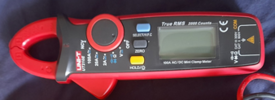
View attachment 398172 but a DIY person is unlikely to have one, I did have one of these
View attachment 398173but all the non-contact testers have the same problem, how do you know it is working. If a RCD socket is fitted, one assumes not supplied from a RCD, so one does need to be super careful.
If you are certain that it is fed from a known device which you can turn off, great, there are two reasons for fitting RCD sockets or using RCD socket adaptors, one is the supply not already RCD protected, the other is we want a non volt release, to power things like grinders, which could with a power cut be left on, using an active RCD socket, when power returns it will not auto power up. RCD sockets are typically cheaper than no volt release starter buttons, and so in a garage it would make sense to fit active RCD sockets, so things could not be left switched on after a power cut.