I have multiway to measure current. These
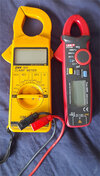
are the easy-to-use method, but these
today also measure it, plus using my old multimeter
I select an easy method, depending what I am working on. The red and black meter in the first picture has a NCV (non-contact voltage) option, this is handy to see if something is dead, before removing screws needed to access terminals, but what it will not do is test a neutral.
You have to use some common sense, even one of these
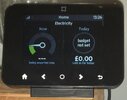
silly things can help, if no other loads or inputs, it would not work for me due to solar panels, but then the solar panel software can also help.
The problem I found is under floor heating takes so long to warm up, so looking for some faster way to test, be it a full-blown tester,
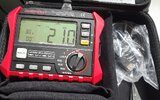
or a neon screwdriver, but also need to test the neutral, and NCV, or neon screwdriver will not test the neutral.
Ohms law
put finger over one required, means we can look at a 690 watt heating mat, divide by 230 volts, and we know that's 3 amps, and 230/3= 76 Ω so we can test the mat with an ohmmeter. And at 760 Ω we know something is wrong, 0.3 amps or 69 watts is not going to heat up anything much. And less than 18 Ω is likely to trip something (13 amps).
The problem is if there is a break in the mat, finding out where, it would need special equipment, and even if we do find out where, unlikely it can be repaired, this is the problem I found, the builder had damaged the mat, so the only real option was to lift it all and start again.
So I can see what I used when, can see where the washing machine went on, must tell wife off about that, 5:30 am too late, off-peak ends at 5:30 am, then I can see when I made first cup of coffee, 12:42 and second cup of coffee, 15:48 talk about big brother watching me.
I found the UFH was useless really, it did not live up to expectations, lucky we had a towel rail as well, and this is the real problem, how much is repairing it really worth?



 ).
).
