Help with shed foundations in waterlogged ground

Joined
13 May 2015
Messages
58
Reaction score
0
Location
West Midlands
Country
United Kingdom
Hi All

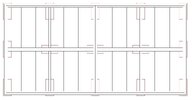
Essentially I want to build a raised timber frame sitting on concrete blocks to support a 17ft plastic keter shed (storing general items nothing heavy). My plan was to dig individual holes and fill with compacted mot type 1, followed by mortar, blocks, doc and 5x2 timber. (See example plan)

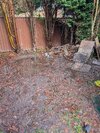
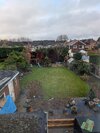
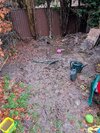
Due to the garden being slightly sloped and with all the heavy rain recently it has been quite flooded and hasn't returned to a firm surface as of yet.

I'm aware I should be thinking about french drains or a soakaway but because this is the furthest part of the garden and on a slope in quite limited. It's also clay based which makes draining even more difficult.

I also know pouring a concrete slab would be better but I have already spent almost £500 on timber, blocks, type 1 and everything else needed.

Would you say adding 2-4 tonnes of recycled crushed concrete or 40mm stone compacted first, followed by a geotextile membrane and then type 1 on top of that be enough so create a stable ground for the blocks?

The timber and half the blocks will always sit above any standing water, my concern is the sinking of any supports or the integrity of any mortar joint if it becomes waterlogged. I'm hoping however if I have a layer of 40mm stone then this will aid drainage of the area.

Thanks
 

Attachments

  • PXL_20260211_080739540.jpg
    PXL_20260211_080739540.jpg
    1.2 MB · Views: 10
  • PXL_20260207_130744736.jpg
    PXL_20260207_130744736.jpg
    1.4 MB · Views: 9
  • PXL_20260207_111651774.jpg
    PXL_20260207_111651774.jpg
    1.3 MB · Views: 9
  • PXL_20260207_112749780.jpg
    PXL_20260207_112749780.jpg
    771.6 KB · Views: 9
  • 117197-91b7a4034c77e093e43e09135aec3218.jpeg
    117197-91b7a4034c77e093e43e09135aec3218.jpeg
    51.1 KB · Views: 9
Would you say adding 2-4 tonnes of recycled crushed concrete...o_O
Maybe I was being over generous with the amounts although the method itself is a proven construction technique. Recycled crushed concrete is far superior than Type 1 in terms of permeability. I was just interested if anyone has done something similar.
 
You can get crushed concrete (it's recycled by defenition!) to type 1 grading in fact and as the OP says it is a superior material to the traditional crushed limestone especially in wet conditions, A bag of cement stirred in will also stiffen things up.

I your case I'd be more inclined to dig local pads.
 
At the moment im unsure what would be better -

1. Digging individual pads (deeper than intended) lined with a membrane and filled with type 1
2. Creating a firm raised subbase and then putting the blocks directly on this base.

Steps -

Remove slop and standing water and dig down to firmer ground (probably hard as water table at this part of the garden is somewhat high)
Non-woven geotextile directly on the soggy ground
Either 200mm compacted crushed concrete and 150mm MOT Type 1
or
Just 300mm MOT Type 1 on the geotextile built up in compacted layers, ending with a height that is above the surface level atm (I'm just conscious about the lower portion of the MOT sitting in water)
Blocks laid directly on the MOT (embedded slightly and on a bed of mortar)
DPC on blocks
Timber frame
OSB
Shed base (plastic base will cover the whole OSB) and im going to seal the edges of the OSB with bitumen paint or preserver.
Maybe some kind of drainage to direct water away from this area (pointless if on clay but I guess I could try and divert to other corner of the garden)
 
If you're building a timber frame anyway then I think pads/piers makes more sense. Less material required, air flow under your frame and you don't have to worry so much about how wet the ground is in the area.
 
If you're building a timber frame anyway then I think pads/piers makes more sense. Less material required, air flow under your frame and you don't have to worry so much about how wet the ground is in the area.
I am just concerned about sinkage over time if the ground is on the softer side or at times like now where it's just so saturated. I'd rather get it right now than see the shed twisting in 2 or 3 years.
 
I am just concerned about sinkage over time if the ground is on the softer side or at times like now where it's just so saturated. I'd rather get it right now than see the shed twisting in 2 or 3 years.
If you put a pad over the whole area without digging out all the soft material it will settle unevenly. Pads will let you get down to solid ground
 
I have no experience of them but..
My shed sits on fence posts.
It’s 30 years old or older

These days they make posts from recycled plastic. Would this material be suitable to make a base from?
It’s supposed to be akin to timber where fixings are concerned. But not subject to moisture.
 
Thanks, already got all the materials ready to go (timber, blocks and type 1).

Just trying to gauge the best way to attack, I either need to order some more type 1 or clean stone and create a firm base on top of geotextile, or stick with my original plan of individual pads.
 

If you need to find a tradesperson to get your job done, please try our local search below, or if you are doing it yourself you can find suppliers local to you.

Select the supplier or trade you require, enter your location to begin your search.


Are you a trade or supplier? You can create your listing free at DIYnot Local

 
Back
Top