Non lead acid, I don't have a clue, but lead acid, it depends on why discharged. If the battery is faulty, no amount of playing will make it work again, but if simply left in a discharged state, then the sulphur on the plates gets hard, and putting a battery charger on the battery simply will not work, either the battery charger is non regulated so it will damage the battery, or if regulated it will not charge a completely discharged battery.
However, we can cheat, putting a good battery in parallel with the discharged battery and putting the pair on charge, the charger will see the good battery, and charge it up, then go into maintain mode, which means it will charge to 14.4 volts, then switch off until the voltage hits 12.8 volts, then turn on again, depending on the condition of good battery this cycle can be 1 to 24 hours, by putting the battery charger on an energy monitor
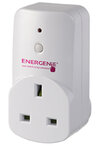
we can see what has happened.
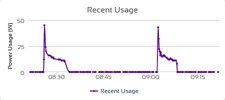
The spikes as it turns on and off, will change to a charge patten
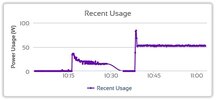
And it may well take two weeks, then as if flicking a switch, the sulphate battery will start to charge. One can view the charging curves, to see when it has happened, it will depend on the smart charger, I was using a Lidi one, but I could see the four stages of charge, and the VRLA or AGM battery seemed to work just as well as it had before being abandoned.
However, be aware, if the discharged battery has a shorted cell, it will then overcharge, with a 35 Ah mobility scooter battery the 3 amp charger was enough to warp the plastic of the cells, and since 2 x 12 volt batteries it also took out the good one. The original Lidi charger would only return to 0.8 amp charge, some of the other makes will return to full output, monitoring twice a day likely you will see in time with a shorted cell, and size of charger and battery will change things.



