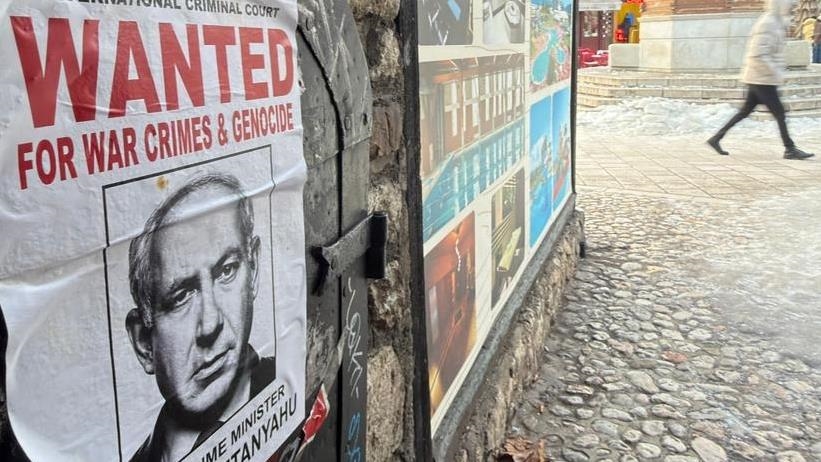
History has often unfolded through the "common enemy" dynamic, a political and social mechanism where individuals or nations unite against a shared threat, fostering cohesion, solidarity, and cooperation. While this tactic has been used to create powerful alliances and, in some cases, bring together unlikely partners, it has also frequently resulted in intense polarization, the creation of scapegoats, and the perpetuation of conflict.
The Tool of Authoritarianism and Scapegoating
Rulers and regimes have historically created "enemies of the people" to consolidate power, distract from internal failures, and justify repression.
The Holocaust: Hitler identified Jews as an internal enemy, blaming them for Germany’s economic and social ills to justify the Holocaust.
The "Red Scare": Joseph McCarthy branded many in the US as traitors during the Cold War by presenting communism as an existential threat to American values.
Stalin's Purges: Stalin declared political opponents "enemies of the people" to maintain control.
Self-Fulfilling Prophecies and Increased Violence
Common enemy politics often acts as a self-fulfilling prophecy, where viewing others as enemies leads to conflict, which in turn justifies the initial
Cycle of Hatred: Civil conflicts tend to recur because memory of the "common enemy" perpetuates cycles of hatred and animosity.
Escalation: The "politics of hate" reached unprecedented levels in the 20th century, where the construction of enemies, whether internal or external, became a dominant strategy in international relations.