
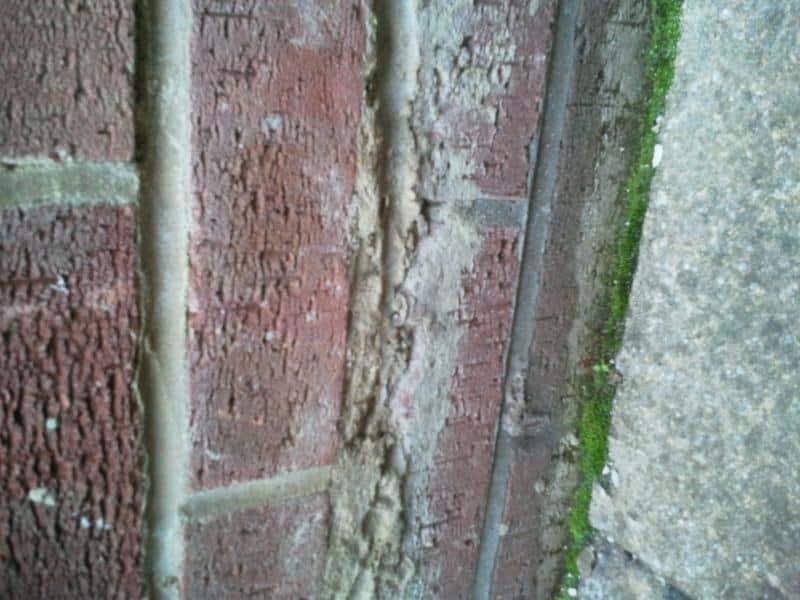
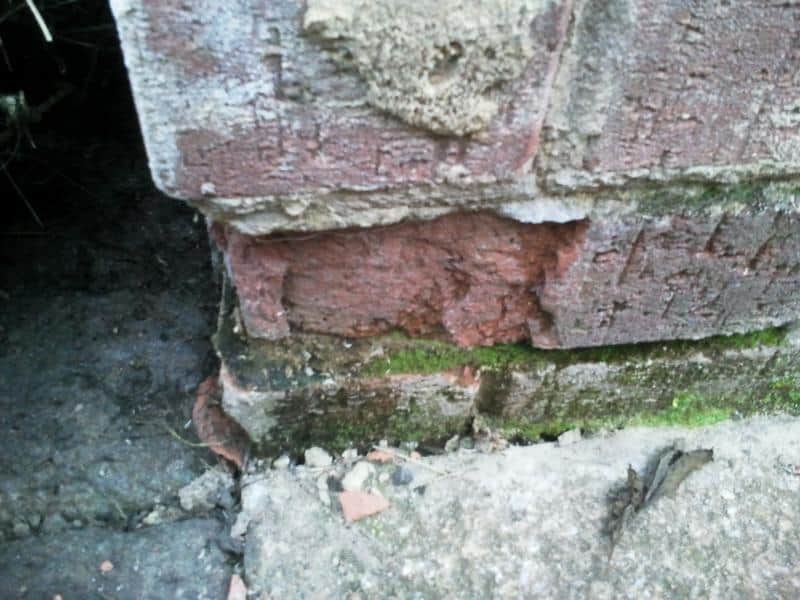
Just moved into a house six months back and the survey flagged a few spalled bricks and some scruffy pointing at the front and side. A mate who points for a living reckoned the pointing was cosmetic only. Now, having a closer look, a couple of the bricks right at damp proof course level look damaged – one or two spalled below the plastic DPC strip. The question is whether this is just a bricklayer job to cut out and replace, whether it'll cause trouble if left over winter, and how urgent it really is.
What's likely going on
Nine times out of ten, when you see spalled bricks low down near the DPC, it isn't a big structural drama – it's simply the wrong type of brick in the wrong place. Bricks near ground level cop a hammering. Rain hits the path or drive and splashes back onto that bottom metre of wall. In winter that water soaks into the face of the brick, freezes, expands, and pops the face off. That's spalling. Do it enough times and the brick crumbles.
The clue is in the location. If the damage is only in the first two or three courses above the ground, and the bricks higher up the wall are fine, you're almost certainly looking at frost damage from splashback and general wetting. Not rising damp, not a failed DPC, not a leak. If you were seeing spalled faces up at first floor level or under a window sill, I'd be having a very different conversation with you, because then you're chasing a water source – leaking gutter, cracked sill, dodgy flashing. Water gets in, then it shows up somewhere else.
The plastic strip you can see poking out of the bed joint is the DPC. Anything below that line is expected to get damp from time to time. It's the bricks above the DPC you want bone dry.
Simple checks first
Before you ring a bricklayer, walk round the house on a wet day and have a proper look. You're trying to work out whether this is just tired bricks or whether something is feeding water into the wall.
- Where is the damage? If it's only in the bottom two or three courses, that points to splashback and frost. If it's higher up, look directly above for the water source.
- Check the gutters and downpipes in the rain. Any drips, overflows or splashes hitting the wall? A leaking joint above will soak the same patch of brickwork year after year.
- Look at ground levels. Is the path, drive or soil sitting close to or above the DPC line? If the ground has been built up over the years, splashing gets worse and you can end up bridging the DPC entirely.
- Check the DPC line is continuous. You should be able to trace that plastic strip (or a mortar line with bitumen) right round the house. Any gaps or breaks are worth noting.
- Tap the suspect bricks gently. A dull, hollow sound and crumbling face means the brick is going. A solid ring means it's just cosmetic pitting.
- Look at the mortar joints around the damaged bricks. Soft, sandy, receding pointing lets more water in and speeds up the whole process.
- Check the aspect. Walls facing the prevailing wind and rain (usually south-west in the UK) tend to weather harder. If your damaged side is the exposed one, that fits the picture.
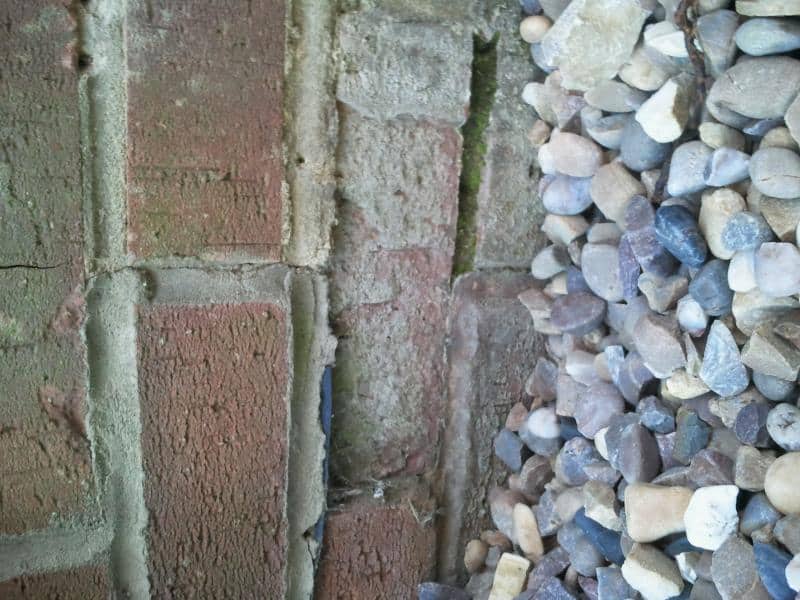
If all your damage sits low down, on the exposed side, and the gutters are fine, you've got your answer – it's frost damage on soft facing bricks. Don't guess, prove it.
Proper fix: good, better, best
Good – leave it and monitor
If it's only one or two bricks below the DPC and they're not crumbling away to nothing, you can genuinely leave them for a season or two. A bit of spalling below the DPC is cosmetic more than structural. Take a photo now, take another next autumn, and see if it's moving. If it's stable, it's not urgent.
Better – cut out and replace like-for-like
Get a bricklayer to cut out the damaged bricks and replace them. The trick here is matching. Old facing bricks come in all sorts of colours and textures and a bad match will stick out worse than the spalling did. A decent brickie will source reclaimed bricks or find a close modern match and will stain the pointing to blend in. This is a half-day job for a competent bricklayer if it's just a handful of bricks.
Best – replace with frost-resistant bricks and sort the cause
If you're already having someone in, spend the extra and specify frost-resistant (F2 rated) engineering or facing bricks for the replacements, especially on the exposed side of the house. They cost a bit more but they'll shrug off another 50 winters. While you're at it:
- Rake out and repoint any soft joints around the repair with a mortar that's slightly softer than the brick (typically a lime-based or 1:1:6 mix on older houses – not a hard sand-and-cement smear).
- Lower the ground level if it's crept up near the DPC, or add a gravel margin along the base of the wall to reduce splashback.
- Check and clear the gutters while the scaffold or ladders are out.
That's the do-it-once-do-it-right version.
Bodges and mistakes to avoid
- Slapping mortar over the spalled face. It looks tidy for six months then falls off, because you haven't fixed why the brick failed.
- Painting the wall with waterproofer or masonry paint to seal it. Traps moisture inside the brick, makes the freeze-thaw damage worse, and you've now got a painted wall to maintain forever.
- Repointing everything in hard sand and cement on an older house. The mortar ends up harder than the bricks, so the bricks take the punishment instead of the joints. You'll spall more bricks, not fewer.
- Ignoring a raised ground level. If soil or a new path is sitting above the DPC, no amount of new brick will save you – the wall will keep getting wet from below.
- Assuming the surveyor was just padding the report. They flag defects because they have to. It's on you to work out how serious each one is, and a handful of low-level spalled bricks is genuinely minor, but only once you've ruled out a water source above.
When to bring someone in
For this job, a good local bricklayer is all you need. No structural engineer, no damp specialist, no drama, unless your checks turn up something else. Call in more help if:
- Spalling is appearing higher up the wall, around windows, or under sills.
- You find a leaking gutter or downpipe soaking the same area.
- The DPC is bridged by render, a path, or a flowerbed and you're seeing damp inside the house.
- Mortar is soft and sandy across large areas – that's a proper repointing job, not a patch.
Damp inside the house at skirting level is your red flag. That's when you stop patching bricks and start investigating properly.
Reality check
This is not a winter emergency. A few spalled bricks below the DPC won't let water into your house and won't affect the structure over one season. Get it on the list for spring when the weather's kinder for bricklaying – mortar doesn't like being laid in the frost anyway, and a good brickie won't want to be cutting out bricks in January if they don't have to.
Expect a bit of dust and noise for half a day, some mortar splashes on the path (worth putting a dust sheet down), and a slight colour mismatch on the new bricks that'll weather in over a year or two. Budget for a minimum call-out charge even if it's only three or four bricks – most brickies won't get out of the van for less. If you've got other small masonry jobs (a cracked sill, a bit of repointing, a loose air brick), bundle them together and get them all done in one visit. That's how you get value out of a tradesman's day.
If it were my house, I'd note it, watch it through this winter, and get it sorted properly in the spring with frost-resistant replacements. Simple job, done once, done right.