
A homeowner set out to paint an MDF cupboard and doors to a nice white finish. They cleaned the MDF, then rolled on a shellac-based sealing primer (BIN) with a foam roller, working outside on a very hot day. The first batch came out just about acceptable after sanding, but the next day's work dried far too fast, leaving a heavily rippled, textured surface. When they tried to sand it back, chunks of primer lifted off in patches. Now they're stuck with a rough, damaged finish, a bare patch, and a second untouched cupboard waiting its turn. They want to know how to rescue the mess and what to use going forward.
This is a common one when people reach for a shellac primer on MDF without realising just how quickly it flashes off. Before you start again, it's worth understanding why it went wrong, because the fix depends on it.
What's actually gone wrong
Shellac-based primers (the meths/alcohol-based ones like BIN) are good products. They seal knots, block stains, and stick to awkward surfaces, but they dry extremely fast. In a cool workshop that's fine. Outside on a hot day, the solvent is flashing off almost as fast as you're laying it down. That means:
- The roller drags through half-set primer, leaving heavy orange peel and ripples.
- You can't lay it off smoothly because there's no open time.
- The film sets hard quickly on the surface, but full cure and hardness develops over several days.
Sand it too early and you're pulling a half-cured skin off soft primer, which is exactly why big flakes came away. It wasn't the product failing, it was the timing.
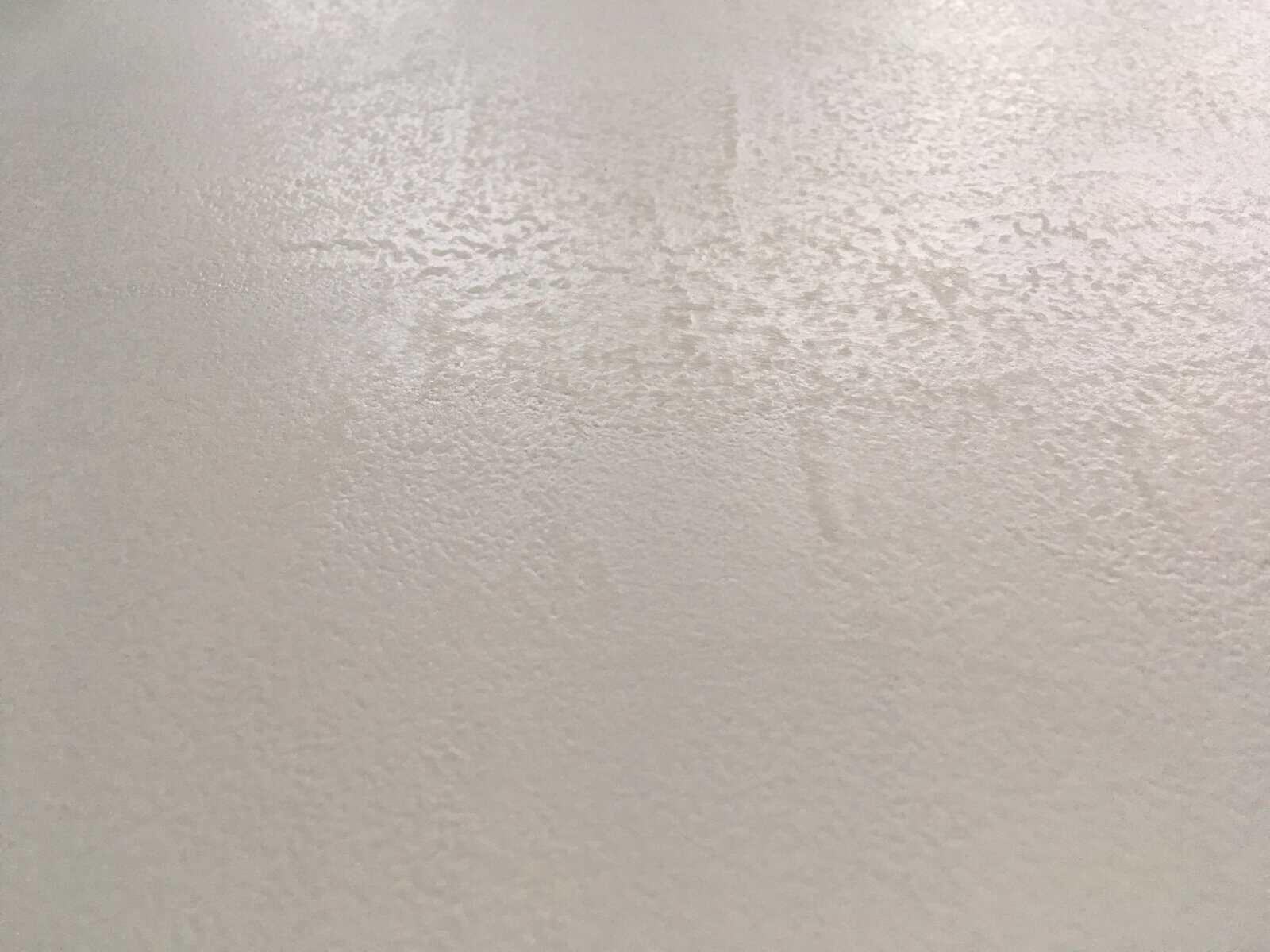
Foam rollers make it worse too. They lay a stippled texture on everything, and with a fast-drying primer that texture sets before it has a chance to level.
Simple checks before you carry on
Before you do anything else, work out what you're dealing with:
- Press a fingernail firmly into the primer in an out-of-the-way spot. If it dents or scrapes off easily, it's not cured. Leave it several days in normal indoor conditions before sanding.
- Look at the surface in raking light (torch held low and sideways). This shows the true texture. If you can see roller stipple and ripples, you'll need to flatten it, not just scuff it.
- Check the bare patch where primer lifted. Is the MDF fuzzy and raised, or clean? Raised fibres need feathering back before you re-prime.
- Feel the edges of MDF panels. Cut edges soak up primer and go rough, so they always need extra attention.
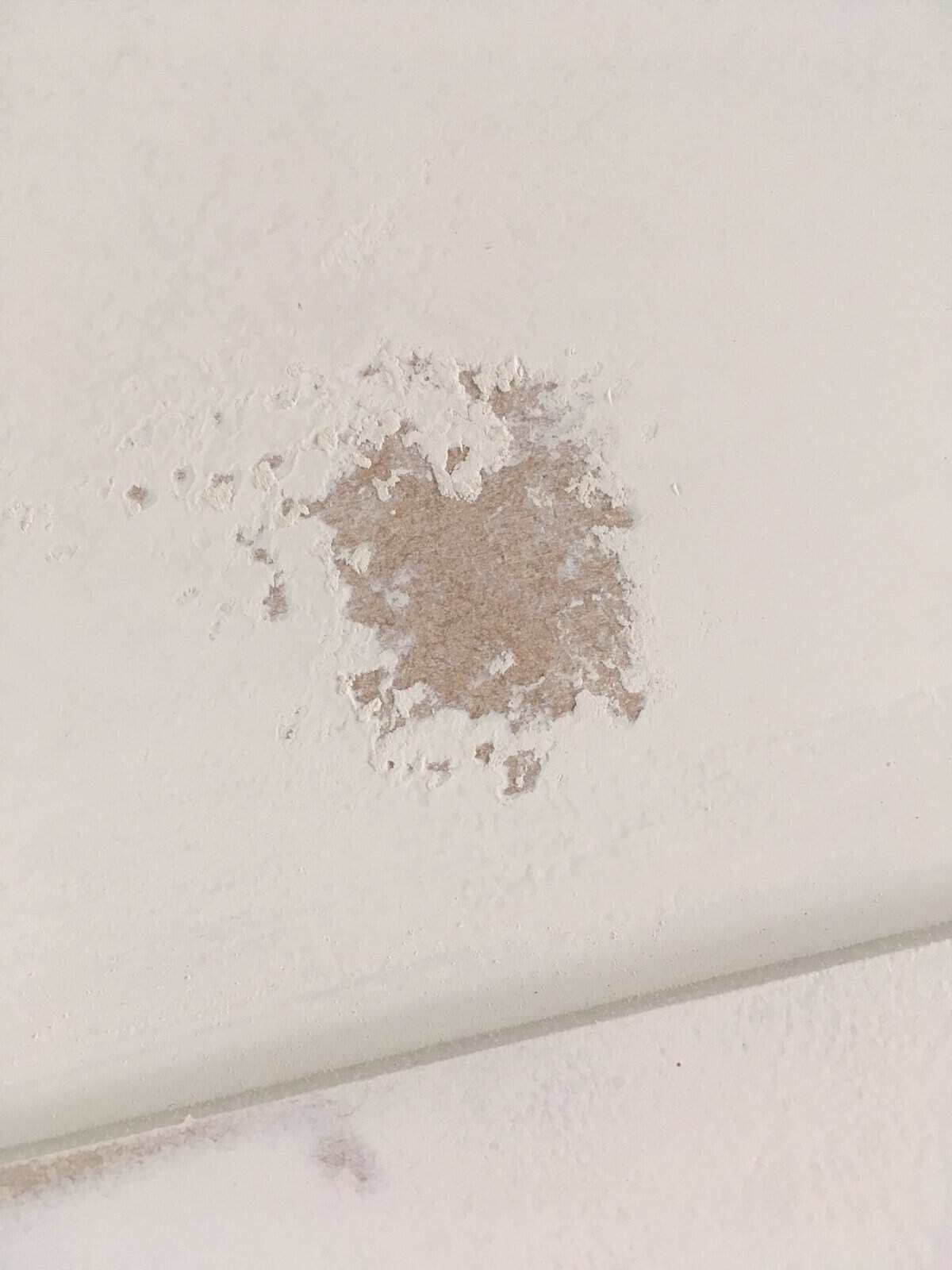
If the primer has had enough time indoors and passes the fingernail test, you can sand it properly.
Rescuing what you've got
Good news: this is recoverable. You don't need to strip it back to bare MDF.
1. Let the existing primer cure fully in normal room temperature, away from direct sun.
2. Get hold of a random orbital sander. Hand sanding shellac primer is a thankless job. Start with 180 grit and work up to 240. Keep the sander moving, use light pressure, and let the abrasive do the work.
3. Aim to flatten the ripples until the surface feels uniformly smooth. You'll sand most of it off, which is normal and fine. As long as the MDF is sealed, you've done your job.
4. Spot-prime the bare patch and any areas you've sanded through. Feather the edges so there's no hard line.
5. Wipe down with a tack cloth or barely-damp lint-free rag before topcoating.
For the topcoat, an oil-based undercoat followed by an oil-based or good-quality water-based satin/eggshell will give you the smoothest, hardest finish. Water-based topcoats have improved a lot, but they dry fast, so work in smaller sections and don't overbrush.
Good / better / best for the next cupboard
For the untouched MDF cupboard, here's how I'd rank the options.
Good: a proper MDF-friendly acrylic primer/undercoat. For MDF, plaster and general woodwork, a decent trade acrylic primer/undercoat is hard to beat for hand painting. It's slower drying than shellac, sands well (doesn't clog paper), and soaks into the MDF to seal it. You'll sand most of it back, which is the point, and build up two thin coats rather than one heavy one. Cheap, forgiving, and the finish is flat.
Better: water-based bonding primer (the 123-type product). If you want the stain-blocking and adhesion benefits of a Zinsser-style primer without the meths-based nightmare, the water-based bonding primer in the same range gives you a much longer open time than shellac BIN. It's more forgiving with a roller or brush, still bonds well, and is a lot kinder to work with in warm weather. Allow the full cure time recommended by the manufacturer before sanding or topcoating.
Best: spray finish. If you want a genuinely glass-smooth finish on MDF doors, spraying is the only way to get there properly. That means the right primer, the right kit, and somewhere you can spray without covering the rest of the house. For most DIYers it's overkill for a cupboard, but it's worth knowing that no amount of rolling and brushing will match a sprayed finish.
A middle-ground trick the experienced painters use is to roll the paint on and then immediately lay off with a good-quality brush in long, light strokes. It takes practice, but it knocks the roller stipple down a lot.
Bodges and mistakes to avoid
- Painting in direct sun or high heat. The paint dries before it has a chance to level. Wait for cooler, still conditions. Indoors is usually best.
- Sanding shellac primer too soon. You'll pull chunks off. Allow enough cure time, longer if it's cool or humid.
- Foam rollers for the final primer coat. Fine for laying on, but they leave a texture. A short-pile microfibre or mohair roller gives a flatter finish.
- Skipping the sand on hard surfaces. Manufacturer claims of "no sanding needed" on laminates and varnished surfaces are optimistic. A quick key with 180-240 grit dramatically improves adhesion.
- Piling on thick coats to hide texture. Thick coats sag, dry unevenly and take forever to cure. Two thin coats beat one thick one every time.
When to call someone in
Honestly, painting MDF cupboards is well within DIY territory. The only time I'd suggest getting a decorator involved is if you want a sprayed finish on multiple doors. It's specialist kit and skill, and the prep and masking take longer than the spraying.
Reality check
Painting MDF properly is 80% prep and sanding, 20% painting. Expect dust everywhere. Mask off the room, cover floors, and ideally take doors off and lay them flat on trestles. Give each coat a full day between sanding, and don't rush the cure before you start using the cupboard. If it were my house, I'd take the doors off, do them flat in the garage or a spare room on a cool day, and leave them a fortnight before hanging them back up. Slow and steady is what makes it last.