Lucid
Yes I do have a multimeter, but I don't see how that will help me.
Fred Blogs
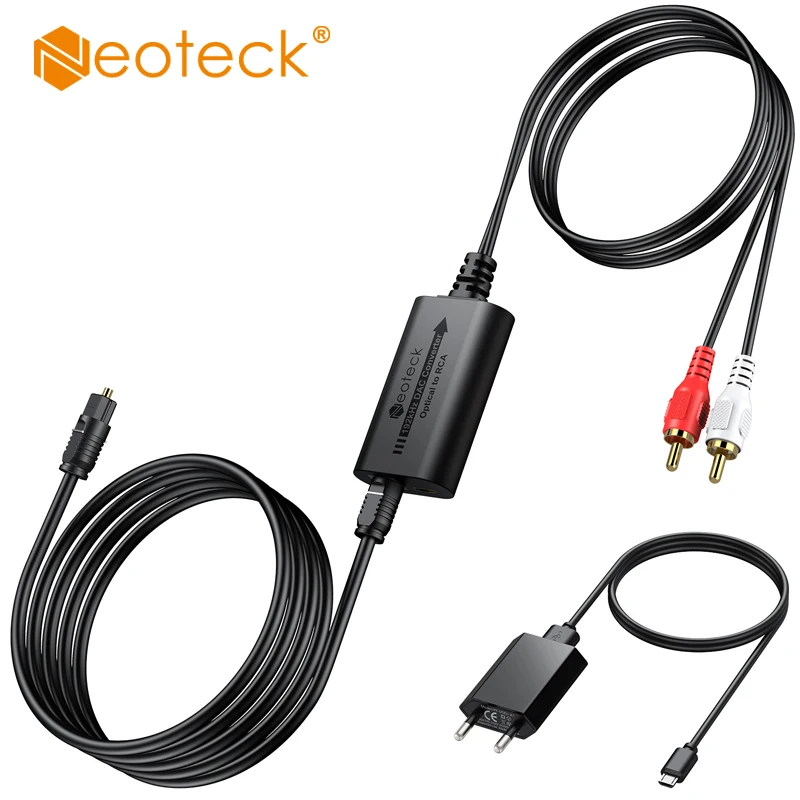
Your link to the Prozor DAC looks exactly like the one I have. The DAC that I am now using is a replacement for another one which had exactly the same problem.
I bought the DAC to bring my HiFi up to date but the sound/volume is rubbish, I don't understand why.
Some of the cheaper DACs have a DC voltage (an offset) on the ground shields from the RCA outs. This should be 0 Volts, but if they haven't used isolating capacitors in the circuit design then a voltage on here can cause problems for the amplifier or powered speakers the DAC is being used with. One symptom is a reduced dynamic range i.e. a quieter signal.
For the benefit of other readers, I see a similar same sort of issue when customers try to hook up a Class D stereo amp via the speaker outputs to a subwoofer high-level (speaker level) inputs. The +ve (red) should have the plus and minus voltage swing for the AC music signal. The -ve (black) should be 0 Volts. This is how it works with Class A/B stereo amps. Class D amps work differently.
They'll often use something called a Bridged Tied Load. That means both the red and the black outputs are live. When red is going positive voltage then black is going negative. The same is true when the voltage swing is reversed. The result is double the voltage compared to running in the same way as a Class A/B amp. This voltage isn't generally a problem for a conventional moving coil speaker. For active subs though it's different. If left unchecked, the voltage on the ground connection for the sub can burn out the input circuit.
When hooking up Class D amps to the speaker input of active subs, I'll take just the L&R +ve connections to the sub, then I'll use amp's chassis ground to provide the speaker ground connection at the sub.
Coming back to your DAC, with the meter in hand and the DAC disconnected from power and then allowed to discharge for 10 minutes (leave the RCAs connected until measuring), set your meter to continuity. Disconnect the RCAs, then measure between the DAC chassis and each of the two RCA shields. (You're doing this so we can work out if it's safe to use the DAC chassis for ground if there is a DC offset.)
Next, you'll need a bit of wire in order to pick up the 0V DC from the power plug in order to measure it. Carefully insert the wire along with the DC power plug so that it just connects to the shield of the power plug.
With the DAC powered and running with a music signal, set the meter to the DC voltage range, measure the voltage difference (if any) between the power plug ground and each of the two RCA rings. Next, set the meter to the AC range and repeat the measurements. This second measurement is to determine if there's a music signal on the ground lines. There shouldn't be.
Let us know the results.