Asbestos worry

Joined
2 Feb 2024
Messages
88
Reaction score
3
Country
United Kingdom
Hi all
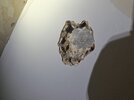
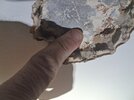
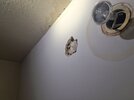
I have tried to remove a small area of ceiling to access my shower trap. I drilled through the plaster board but then the drill went into sonething harder. At first i assumed it was joist but have pulled away a small bit of plaster board to reveal some other type of board behind it. I have read a few posts on here and can see that i will not get an answer on wether it is asbestos but im absolutely terrified as the drill did go slightly into the other board. I have used my wet vax to clean all around the flooring in the area. Im just wondering what i should actually do next. Im at my wits end espesially as i have 2 small children
Any advice would be really apreaciated
 

Attachments

  • 20260119_130504.jpg
    20260119_130504.jpg
    159.9 KB · Views: 27
  • 20260119_130524.jpg
    20260119_130524.jpg
    168.5 KB · Views: 28
  • 20260119_130540.jpg
    20260119_130540.jpg
    190.7 KB · Views: 27
More likely cement board. Under shower tray. So try not to worry about it.
Lots of folk have come into contact with asbestos in one form or another, old garages, sheeting etc.

If you want to access the trap you will have to continue, but if you could wait... for peace of mind... you could send off a sample and have it tested.

As you've vaxed, you could run a wet mop around, presuming it's not carpet.

Don't panic, you'll be OK.
 
That's not a standard location for any asbestos board

How old is the property. What kind of property is it? Ex-council?

Too late now, but suspected asbestos should never be vacuumed with a domestic vacuum
 
That's not a standard location for any asbestos board

How old is the property. What kind of property is it? Ex-council?

Too late now, but suspected asbestos should never be vacuumed with a domestic vacuum
Thanks for the reply. So the house is 1930s
Not ex council. The vacume was a wet one where it sprays water then sucks it back up
 
It seems to be immediately above the ceiling plasterboard, not part of the bathroom floor, right? Could it be the original ceiling, which has subsequently been over-boarded with plasterboard?

Send a sample for testing if you want.
 
It seems to be immediately above the ceiling plasterboard, not part of the bathroom floor, right? Could it be the original ceiling, which has subsequently been over-boarded with plasterboard?

Send a sample for testing if you want.
Yes thats right. Plaster board over it
 
What's the situation at the spotlight recess?

Is there sign of the boards there, has it been cut already? ie does it look like the suspected board covers the whole ceiling or just that one location?
 
What's the situation at the spotlight recess?

Is there sign of the boards there, has it been cut already? ie does it look like the suspected board covers the whole ceiling or just that one location?
So thats why i pulled the bulb out as i wanted to try and see if it was a separate board. Problem is the metal insert of the spotlight extends further back so i cant see the edges of the board. I could pull the insert but didnt want to risk loostening or disturbing anything further
 
OK

I've seen this once before and the only logical explanation would be a cement board of some sort under the shower area to deal with any minor drips of water to stop the plasterboard getting soaked and damaged. I don't know when this was a thing, so it's either at the time when asbestos board would be used, or later when a non-asbestos cement product was used. I don't know if it would be original, I don't think so, but can't say for sure, that it was a common thing back in the 30's - showers certainly weren't.

If you don't know when this may have been fitted, best thing may be to get it tested via an online UKAS accredited analyst. You'll get a kit with instructions. If negative, you can just bodge your hole as needed.

If positive then you need to decide if you want to do the removal or get a firm in to do it. The board will likely be a cement board type with a low content of the least hazardous type of asbestos fibre, and will be very hard and wont break easily. Any fibres will be well-bound within the material even if it breaks. Basically, its OK to remove using sensible precautions and there is a very very low risk of any exposure to fibres.

Get your test done, and the post back for options
 
OK

I've seen this once before and the only logical explanation would be a cement board of some sort under the shower area to deal with any minor drips of water to stop the plasterboard getting soaked and damaged. I don't know when this was a thing, so it's either at the time when asbestos board would be used, or later when a non-asbestos cement product was used. I don't know if it would be original, I don't think so, but can't say for sure, that it was a common thing back in the 30's - showers certainly weren't.

If you don't know when this may have been fitted, best thing may be to get it tested via an online UKAS accredited analyst. You'll get a kit with instructions. If negative, you can just bodge your hole as needed.

If positive then you need to decide if you want to do the removal or get a firm in to do it. The board will likely be a cement board type with a low content of the least hazardous type of asbestos fibre, and will be very hard and wont break easily. Any fibres will be well-bound within the material even if it breaks. Basically, its OK to remove using sensible precautions and there is a very very low risk of any exposure to fibres.

Get your test done, and the post back for options
Thanks very much for this. The house was in pretty much original 1930s condition with only 1 owner up until around 15 years ago when the previous owner purchased and extensively refurbed it. Afaik it did not have a shower fitted until the refurb. Ive booked a asbestos guy who is coming back end of week to take a sample. I will post results on here
Thanks again the replies are greatly appreaciated
 

If you need to find a tradesperson to get your job done, please try our local search below, or if you are doing it yourself you can find suppliers local to you.

Select the supplier or trade you require, enter your location to begin your search.


Are you a trade or supplier? You can create your listing free at DIYnot Local

 
Back
Top