

Hello,
Could anyone advise about damp in a terraced house from around 1900.
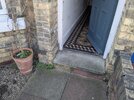
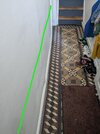
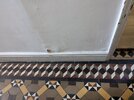
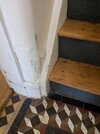
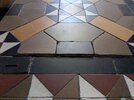
We've lived here about 5 years. There's always been a bit of damp but gotten much worse this year. The tiles in the hallway have started lifting!
Is it just because it's rained a lot and is there anything I can do about it?
The worst affected areas are the hallway and the wall between the hallway and living room but probably worse in the middle of the house rather than at the front.
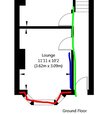
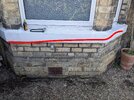
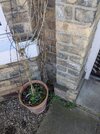
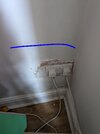
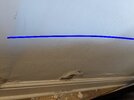
I've tried to make it clear with the colours on the plan what the photos are of.
The plug socket in the last picture is in the living room towards the front of the house.
The house had a damp proof company do the wall between the living room and hall and a few others in 2010. Could get similar done again but wouldn't help with the hall tiles presumably.
The guttering is intact over the bay. Nothing consistently dripping down I can see.
I assume the water main goes under the hall, I've tried turning off the water under the kitchen sink, the water meter doesn't move. The boiler pressure isn't dropping noticeably.
The living/dining room is lengineered wood on a concrete base with a membrane, I think just earth underneath. Is this The most likely cause? The hall I assume is original, not sure whats under it.
Is there anything that's likely to help or anything obvious to check?
Thanks for any help.
Could anyone advise about damp in a terraced house from around 1900.
We've lived here about 5 years. There's always been a bit of damp but gotten much worse this year. The tiles in the hallway have started lifting!
Is it just because it's rained a lot and is there anything I can do about it?
The worst affected areas are the hallway and the wall between the hallway and living room but probably worse in the middle of the house rather than at the front.
I've tried to make it clear with the colours on the plan what the photos are of.
The plug socket in the last picture is in the living room towards the front of the house.
The house had a damp proof company do the wall between the living room and hall and a few others in 2010. Could get similar done again but wouldn't help with the hall tiles presumably.
The guttering is intact over the bay. Nothing consistently dripping down I can see.
I assume the water main goes under the hall, I've tried turning off the water under the kitchen sink, the water meter doesn't move. The boiler pressure isn't dropping noticeably.
The living/dining room is lengineered wood on a concrete base with a membrane, I think just earth underneath. Is this The most likely cause? The hall I assume is original, not sure whats under it.
Is there anything that's likely to help or anything obvious to check?
Thanks for any help.


