Is the mist coat important?
Only we're having a new ceiling soon and we're going to do the decorating after the plastering's done.
Water based paints cure through a process called coalescence. As the water evaporates off, the molecules bond down. Plaster is very porous. If you apply full fat emulsion over it, much of the water is sucked into the plaster rather than being able to evaporate off. The curing process may fail.
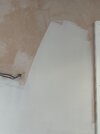
If the mist coat is over thinned or not thinned, the worst case scenario is that when you apply additional coats, the water in the new coat will soften the previous coats and the roller will pull the old paint off. The process of rolling creates a "vacuum", the air is expelled from the roller and it can pull the softened paint off.
As per
@Wayners post, the first coat should be thinned based on the advice on the tin and not someone on YouTube. The (correct) thinning process is supposed to reduce the level of suction (read: porosity).
Another consideration is the inappropriate use of "contract" matt paints, eg Dulux Super Matt. They were designed so that they could be used over plaster that is still slightly wet. They have a very low acrylic/latex content. They allow the moisture in the plaster to escape. They do little with regards to the suction levels. Unfortunately, they are often used on dry plaster because the colour obliteration is superior. They are impossible to keep clean though and when using standard matt over them, you still have the suction problem.
I kinda understand your decorator using your wall to remove the old paint from his roller, but at a minimum, he should have misted the wall with water first.
Personally, if the colours were close, absent of washing the roller, I would have rolled it on a scrap of lining paper and then binned the paper.
I don't know your decorator, and, hopefully all will be code, but... in my opinion, that was sloppy.