My dad did not have central heating when I moved out in 1975 not sure what date fitted, but there was no cylinder thermostat or room thermostat, I added a cylinder thermostat and my son added a thermostat in the hall. I would guess fitted around 1980 as can't remember it being fitted and was out of the country at that time. (Gas)
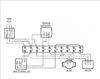
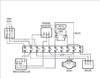
This house also has a variation of the C plan, it did have a room thermostat, but again no tank thermostat, build around 1975 by time I arrived no room thermostat either.
Both cases the pump ran for central heating and if pump not powered then domestic hot water only.
I was rather surprised to find dads central heating was not thermostat controlled, it seems he used it to warm house before getting up, and in the evening so bedrooms warm to go to bed, but during the day, first it was coke fires and when the cheap supply of coke from steel works dried up then gas fires in the living and dinning room did most of the heating.
From the amount of wood around I would guess previous owners of this house used the central wood burner. I have new motorised valves wired up, but waiting for plumber to fit them, and really more to stop radiators getting warm with thermo syphon than anything else.
Gas boilers have for years had a cool down system where the pump runs on once the thermostat opens, but oil often relied on the thermo syphon DHW to cool down the boiler once turned off, they had no over run for the pump. Although I am sure you could design and fit a over run timer for the pump and motorised valve, the boilers of this type are getting old, and will likely need replacing soon. So just not worth fitting a motorised valve and all the timers and wiring to the hot water cylinder at this time, it will remain as thermo syphon.
In my case slightly more complex as the granny flat has separate pump. But when I was looking for a programmer with volt free contacts, and could be controlled with just two wires to main house, and I could use the common of the domestic hot water volt free contacts to power boiler I found very few units that would work, so I selected Nest, not because I wanted to control from internet, but I wanted those independent CH and DHW contacts which were volt free. Had I been able to run new cables the selection would have been very different.
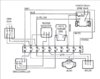
The second C plan I show has both the NO and NC contacts used on the tank thermostat, I have wired the Nest heat link in the same way, having no tank thermostat, the room thermostat with Nest allows me to both set the hall temperature and select when if the central heating is not running that the DHW is heated, and it also sends a signal to my TRV heads so they are at the same temperature as the Nest wall thermostat. There must be hidden behind my plaster board some where a joint, as wires start as red, yellow, blue in house but at the boiler locations are brown, black, grey, and one wire is open circuit. It did take 230 volt from house to boiler, but today it only has 24 volt on it, so not really worried about where that joint is.
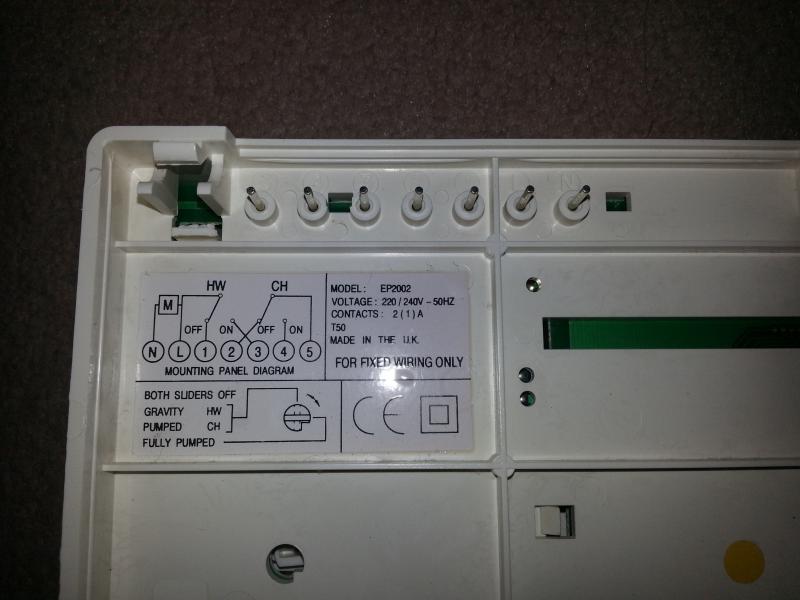
Don't think this helps Chris, but it does explain why I studied how the C plan worked. Sorry the picture of the Honeywell programmer did not work, it worked fine as I wrote the post, then turned into an X when I posted the reply.