GRP dry valley question

Joined
21 Dec 2017
Messages
249
Reaction score
48
Country
United Kingdom
Hi all,

Having my house re-roofed at the moment and as usual, I've gone up on the scaffolding after coming back from work to look at what's been done (out of interest as much as anything else). Roofer knows I do this and is happy for me to do so.

I'm a bit concerned about today's work, specifically prep for the hip valleys.

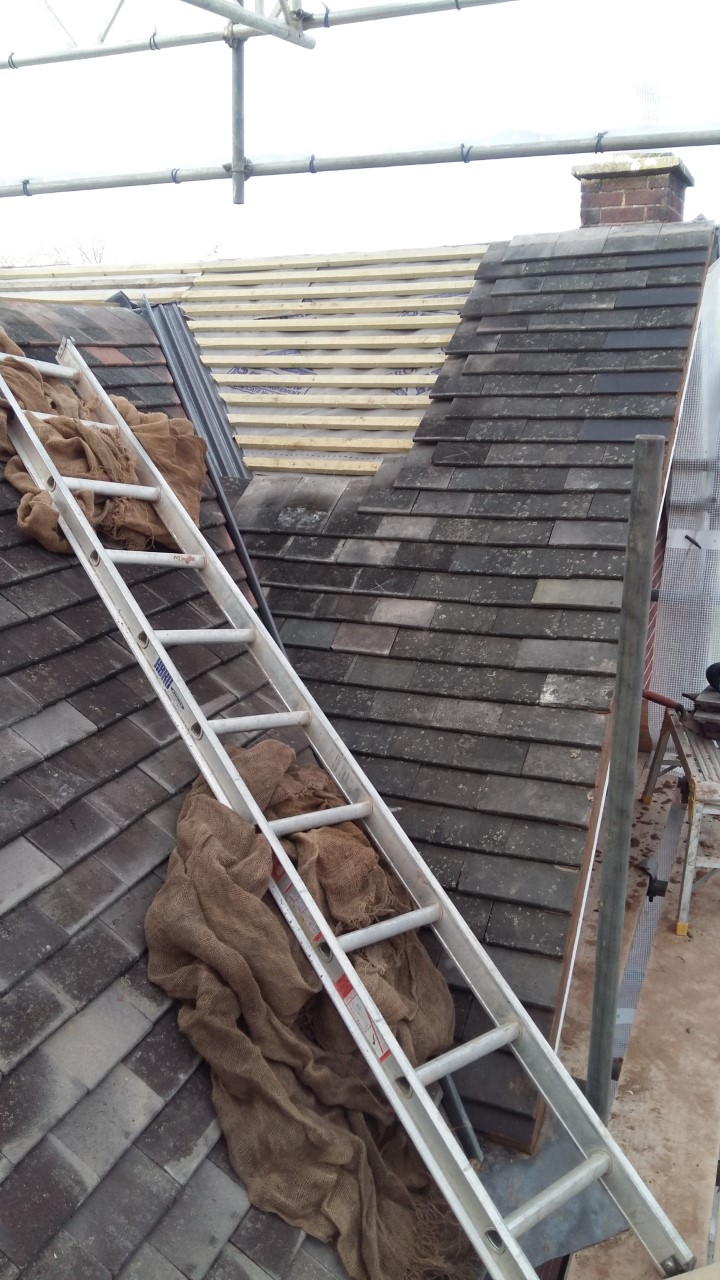
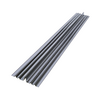
We agreed on GRP dry valleys and these are the items he is preparing to install:


IMG_20250805_182706.jpg


I can see from the manufacturer's installation instructions https://hambleside-danelaw.co.uk/wp-content/uploads/2016/08/HDL_DFVT_InstallRecVs3.1_Mar24.pdf that these are to be installed onto valley boards (there are none) so that makes me start to question.

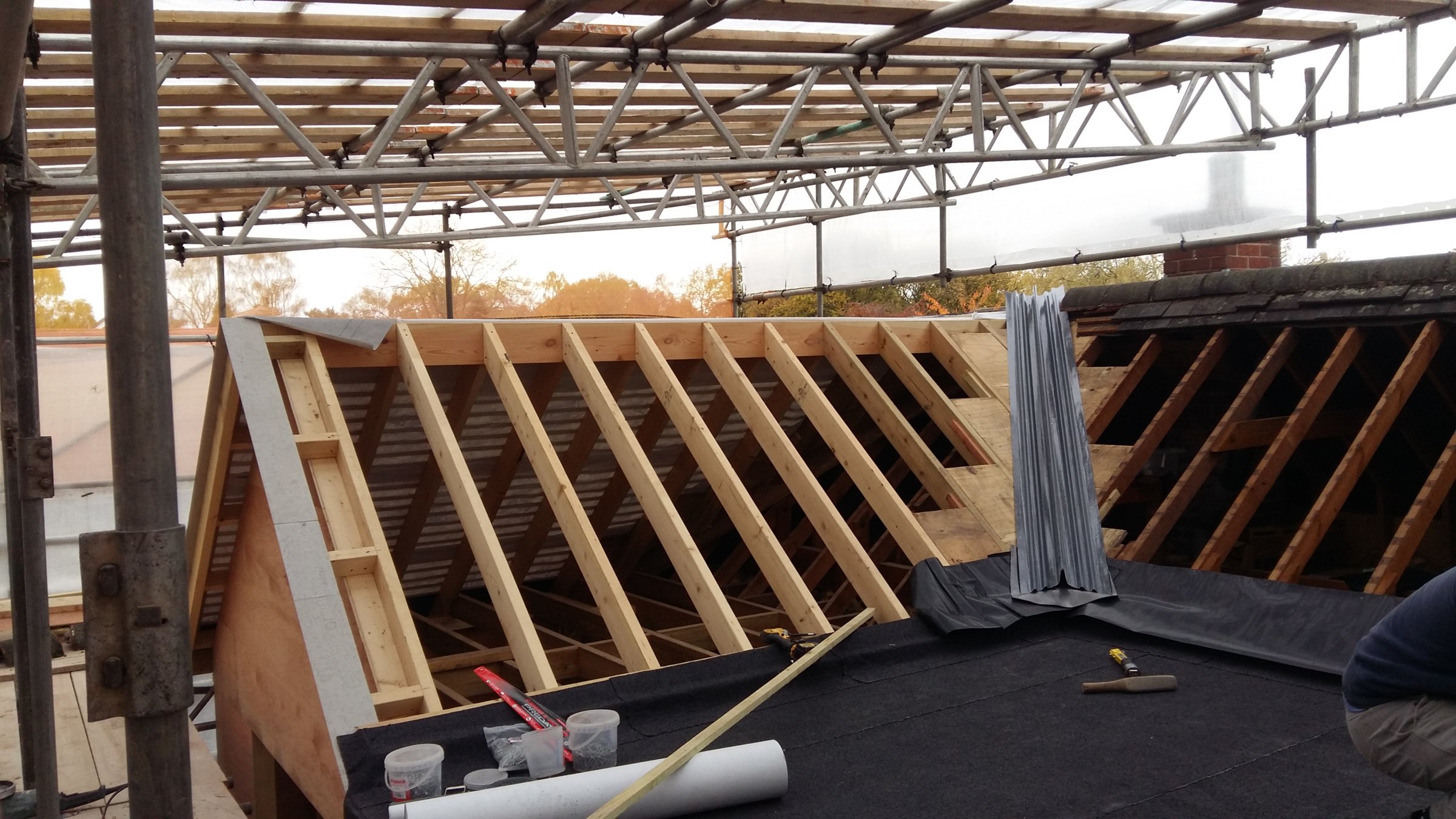
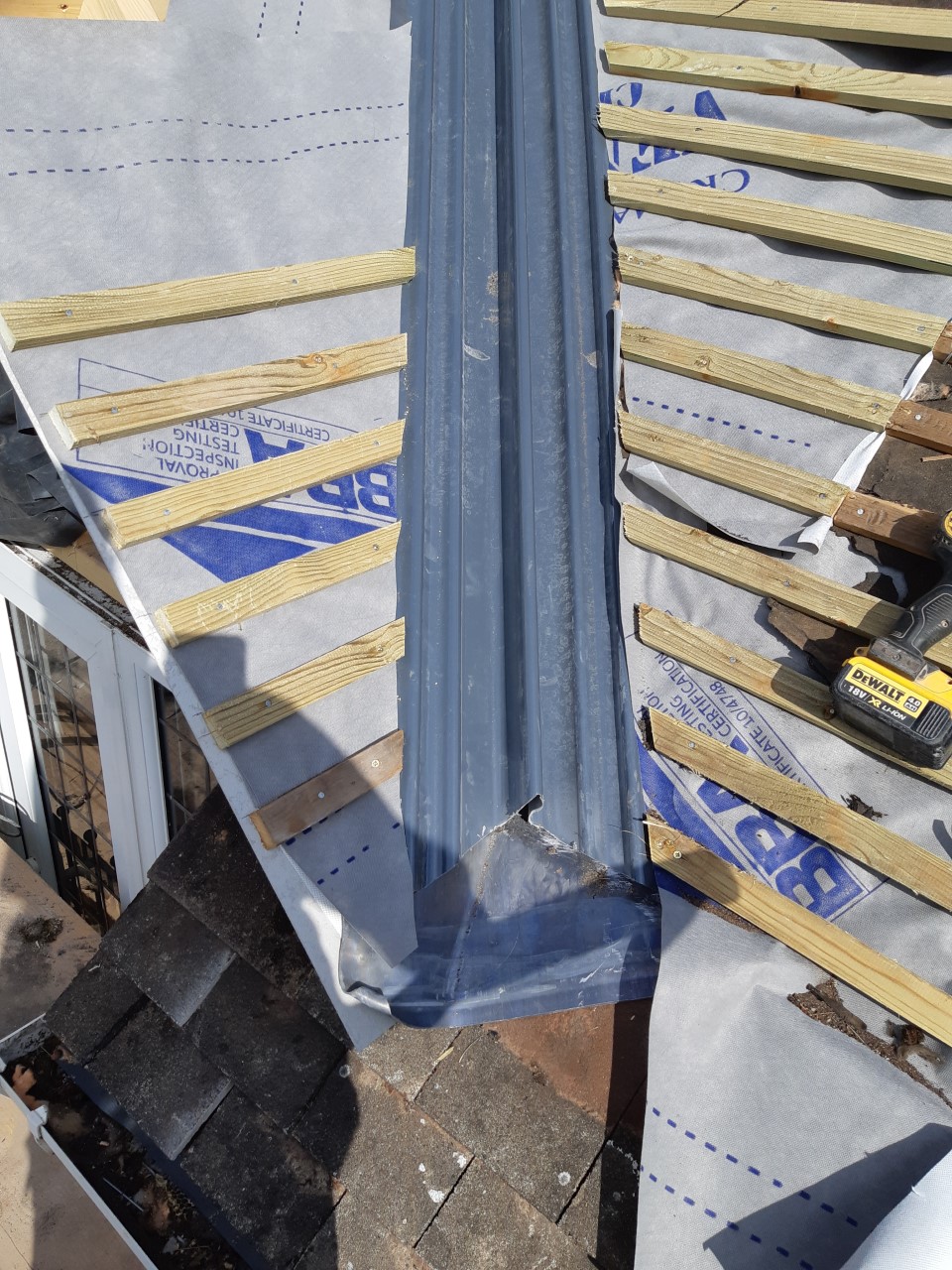
Then I see how he's prepared the roof:

IMG_20250805_182358.jpg


So it's counterbattened, which the manufacturer has a completely different product for: https://hambleside-danelaw.co.uk/products/over-batten-dry-fix-valley-trough/

I just can't see how this can work/be right. I HATE questioning a tradesman's work, but I do actually want a manufacturer's warranty with this stuff and if it's not installed to their specs and fails in a few years I think they will tell me to **** off.

Am I worrying about nothing and just leave him to it or should I insist that he picks one way or the other?
 
Hi all,

Having my house re-roofed at the moment and as usual, I've gone up on the scaffolding after coming back from work to look at what's been done (out of interest as much as anything else). Roofer knows I do this and is happy for me to do so.

I'm a bit concerned about today's work, specifically prep for the hip valleys.

We agreed on GRP dry valleys and these are the items he is preparing to install:


View attachment 389022

I can see from the manufacturer's installation instructions https://hambleside-danelaw.co.uk/wp-content/uploads/2016/08/HDL_DFVT_InstallRecVs3.1_Mar24.pdf that these are to be installed onto valley boards (there are none) so that makes me start to question.

Then I see how he's prepared the roof:

View attachment 389021

So it's counterbattened, which the manufacturer has a completely different product for: https://hambleside-danelaw.co.uk/products/over-batten-dry-fix-valley-trough/

I just can't see how this can work/be right. I HATE questioning a tradesman's work, but I do actually want a manufacturer's warranty with this stuff and if it's not installed to their specs and fails in a few years I think they will tell me to **** off.

Am I worrying about nothing and just leave him to it or should I insist that he picks one way or the other?
Lazy. All your valley tiles will kick up.

The GRP valley should sit as low as possible in relation to the tiles. We fix our GRP direct to the rafters, never at the same height as the tile battens.....


Thanks, I've just spoken to him and the idea is that the GRP unit will get squeezed to pop in between the counterbattens and sit directly on the rafters, albeit not supported by valley boards in between.

In my understanding, because the upstands on the GRP unit have a lower height than the battens, it shouldn't kick the tiles up. In fact I think the opposite would be the case as there's going to be lot overhanging the nearest point of support (the counterbattens)? It obviously does work because that would be the case even if fitted exactly as per the installation guide (and like your photos)?

I've read your comments on previous threads about how to handle the valley where it drops into the gutter and without prompting he did explain he was planning to cut them short and use a lead socker to go over the fascia because he doesn't like trying to get the GRP unit down into the gutter - because it would mean notching the fascia and wouldn't follow the right kick at the bottom etc. which I think is completely in line with your methods. So in that respect he's not being lazy...
 
Last edited:
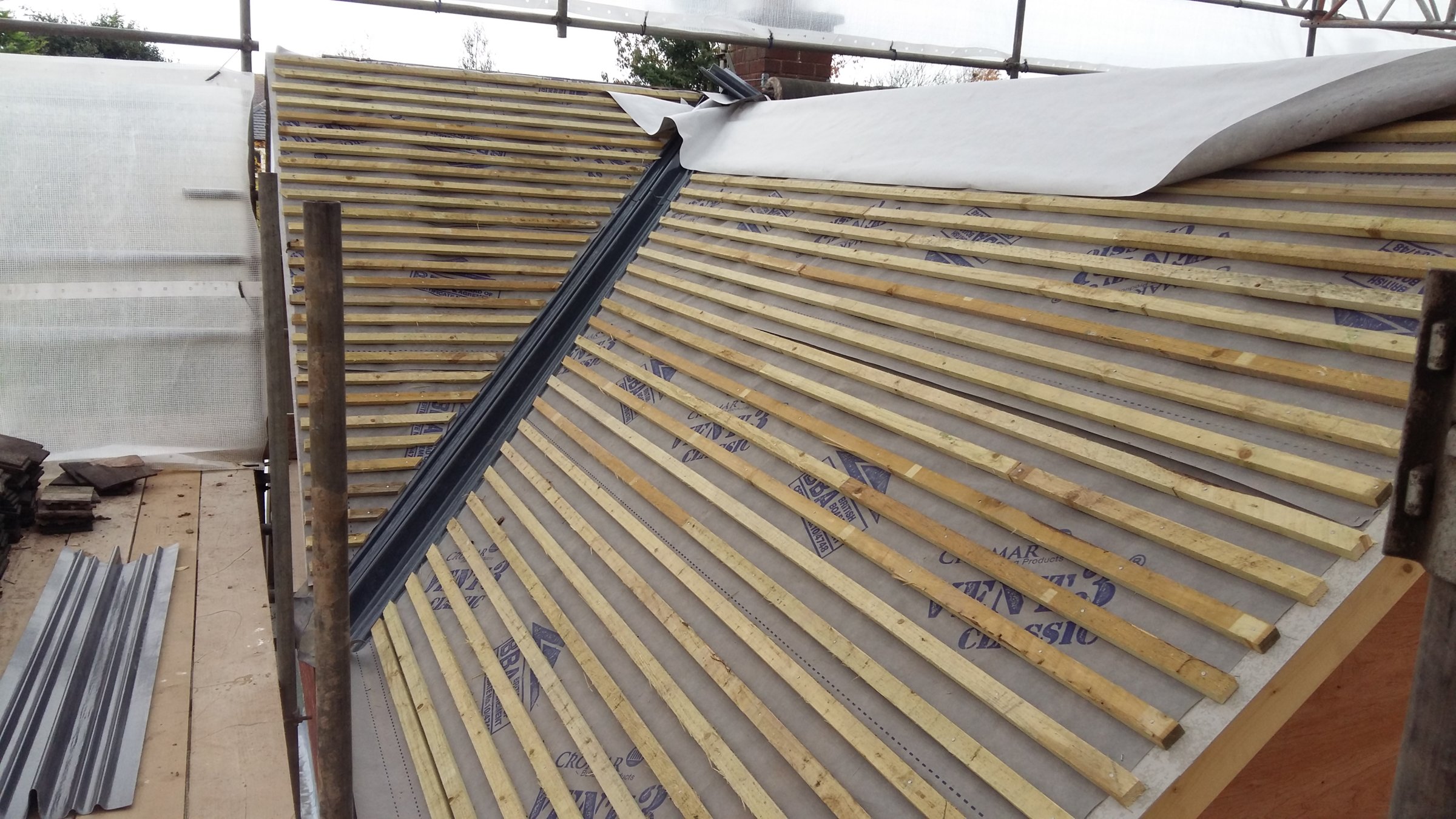
I was wrong. He's screwed the outer flanges of the GRP to the tops of the counterbattens. It certainly looks like it will have a neat enough appearance when it's finished, but to my mind as a humble DIYer it's a very bizarre way of going about it. Not only is it not sitting on valley boards, but it's not even sitting on the rafters, there's a void underneath. I can't get my head around why it would be done this way. But, if it's waterproof (which it looks like it will be) then the only thing to worry about is whether it will last?

Actually, second question - if it doesn't last, will the manufacturer warranty be void because it's been installed in a manner so far removed from the documented installation instructions?

IMG_20250806_191213.jpg

IMG_20250806_191216.jpg

IMG_20250806_191224.jpg
 
Last edited:
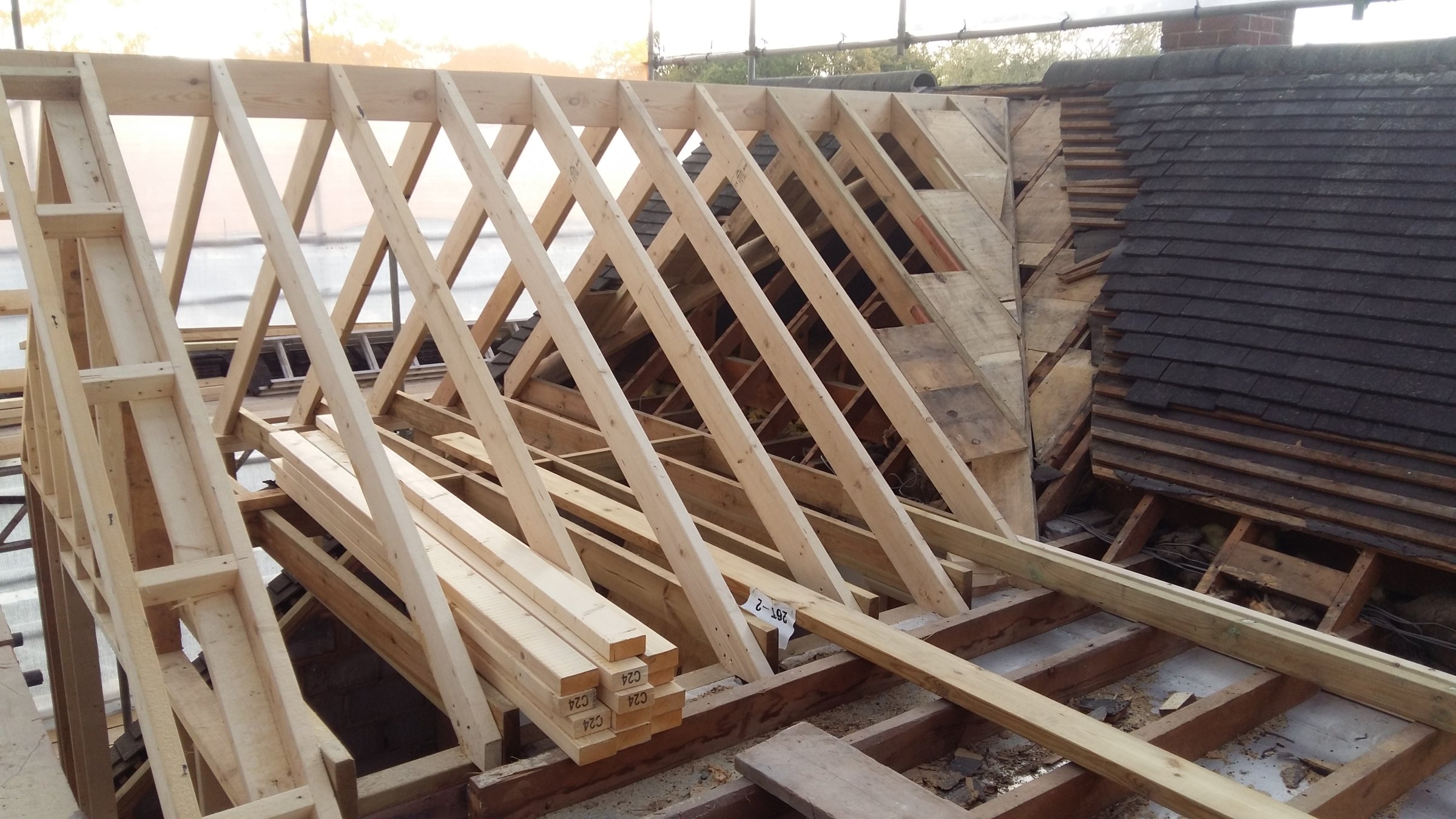
This is a relatively new product introduced to the market as an alternative to lead for valleys. To my mind, the manufacturer is asking for valley boards because modern truss houses, unlike what you have, are a cut roof with a valley rafter. Modern truss roofs don't have a valley rafter for central support of the GRP valley. Your GRP valley will be supported in the middle by the valley rafter and the 2x1 battens down each side.
 
This is a relatively new product introduced to the market as an alternative to lead for valleys. To my mind, the manufacturer is asking for valley boards because modern truss houses, unlike what you have, are a cut roof with a valley rafter. Modern truss roofs don't have a valley rafter for central support of the GRP valley. Your GRP valley will be supported in the middle by the valley rafter and the 2x1 battens down each side.
I'm not 100% sure I follow, Here's a drone shot of my house partially stripped

IMG-20250806-WA0001.jpg


The 2 hipped sections at the bottom are extensions

Zoomed in

house.jpg


Is the wide board laid diagonally on the original roof rafters, with the extension rafters then sitting on top of it what you are calling a 'valley rafter'?
 
Normally, you would expect to see a valley rafter in that position, but considering it is an extension, I can't quite make out what has been used.
 
Just so you know that's not a valley they have put in. It's a bonding gutter, the fact they can't tell the difference tells you all you need to know.


Attachments

  • 1754888714884.png
    1754888714884.png
    450.6 KB · Views: 22

If you need to find a tradesperson to get your job done, please try our local search below, or if you are doing it yourself you can find suppliers local to you.

Select the supplier or trade you require, enter your location to begin your search.


Are you a trade or supplier? You can create your listing free at DIYnot Local

 
Back
Top