
That is a stupid post.....I see Highway Man claims to have served in Afghanistan. Obviously he's an ardent supporter of foreign powers invading other countries, and forcing western culture on them.
HM served his country. Give him credit

That is a stupid post.....I see Highway Man claims to have served in Afghanistan. Obviously he's an ardent supporter of foreign powers invading other countries, and forcing western culture on them.

For right or wrong....
HM served his country. ....
Afghanistan has been the site of numerous invasions throughout history, with notable foreign powers including the British Empire (three times in the 19th and early 20th centuries), the Soviet Union (1979–1989), and the United States (2001–2021).

 www.pbs.org
The Most Disastrous British Military Blunders That Changed World History

 anglotees.com

all v. interesting, i'm sure...For right or wrong.
Because one does the bidding of one's country does not automatically mean you are doing good, or doing right.A historical timeline of Afghanistan
The land that is now Afghanistan has a long history of domination by foreign conquerors and strife among internally warring factions.
You are simply following the policies dictated by the politicians.
And as most on here will attest, the decisions of politicians are frequently wrong.
The Most Disastrous British Military Blunders That Changed World History
Introduction History is replete with tales of triumph and valor, but it also holds its fair share of blunders that have altered the course of events in unexpected ways. When it comes to military history, the British Empire has had its moments of glory, but it also faced some spectacular...
Nowt, It just developed from previous comments, the way that many threads wander off-topic.all v. interesting, i'm sure...
...
...but what the f. does it all have to do with E.Musk?
Nothing wrong with H-man's sense of humour this morning
Except he's misguided as usual. All Trump had to do was the threaten to turn off the tap of military aid to Israel.
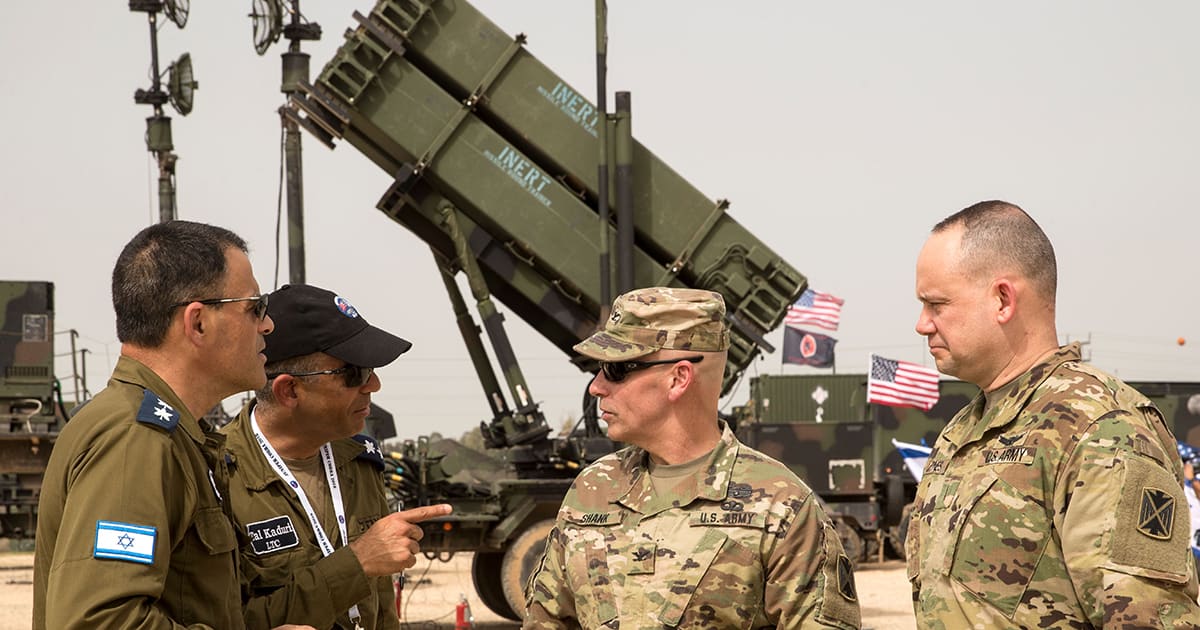
U.S. Aid to Israel in Four Charts | Council on Foreign Relations
Israel has long been the leading recipient of U.S. foreign aid, including military assistance. That aid has come under heightened scrutiny over the course of Israel’s conflicts with Hamas and Iran.www.cfr.org
I see Highway Man claims to have served in Afghanistan. Obviously he's an ardent supporter of foreign powers invading other countries, and forcing western culture on them.
...
HM served his country....
For right or wrong.
What for?.and yet deserves a nobel peace prize. Give the man some credit.

He admitted to lying about it. There are more holes in his alleged service story, than a good sized Swiss cheese.That is a stupid post.....
HM served his country. Give him credit
He's going on holiday (I've heard a rumour) so he'll be on here for 18 hours a day, enjoying his holiday.He admitted to lying about it. There are more holes in his alleged service story, than a good sized Swiss cheese.
The bloke lives in fantasy land.

I believe it's a free country and you can buy whichever car you wish. Or am I mistaken?Wait - so we can not buy his cars again now.
1st we could and the lefties loved him
Then he joined up with trump - so the lefties hated him and were slashing tesla tyres
Then he left the trump gov - so it was ok to buy his cars again
And now we are back to -- can not buy his cars again.
Wait - so we can not buy his cars again now.
1st we could and the lefties loved him
Then he joined up with trump - so the lefties hated him and were slashing tesla tyres
Then he left the trump gov - so it was ok to buy his cars again
And now we are back to -- can not buy his cars again.

You have no idea, I couldn’t care any less what you think. You ever served have you? No of course not.He admitted to lying about it. There are more holes in his alleged service story, than a good sized Swiss cheese.
The bloke lives in fantasy land.
Done more for my country than anything you have ever done. Disrespectful pip squeak.I see Highway Man claims to have served in Afghanistan. Obviously he's an ardent supporter of foreign powers invading other countries, and forcing western culture on them.
For doing more than any other world leader has done and brought peace to the Middle East. He deserves one.What for?.
No. Not according to those independent people that judge.For doing more than any other world leader has done and brought peace to the Middle East. He deserves one.
It is a generally accepted truth that the Army recruits most of its soldiers from the lowest socio-economic groups in the country. The status of a soldier, while often admired, has never been high, and joining the Army has always been seen as a good option for young people with few qualifications or difficult pasts.
While roughly 45% of all young people leave school with 5 GCSE subjects graded A-C only, 17% of all Army recruits in 2003-04 had English at A-C level, with the figure for Maths at about 10%. On average Army recruits have 0.9 of a GCSE at grade A-C.
However, it is possible to say that the educational qualifications of soldiers is considerably below the national average. Records also show that 24% of all Army applicants in 2003-04 were unemployed for a significant period before applying.
In 1999-2000, research was undertaken into the socio-economic background of Army recruits in the Cardiff catchment area. Five hundred recruits who joined the Army between 1998 and 2000 were interviewed, and their records analysed. The analysis illustrated the following:
- 69% were found to have come from a broken home.
50% were classified as coming from a deprived background.
16 % had been long term unemployed before joining.
35% had had more than eight different jobs since leaving school (nearly all on a casual basis). Just over 60% had left school with no academic qualifications.
40% were joining the Army as a last resort.
I've never felt the need.... You ever served have you? ....


