How to prevent cracks and keep coving on

Joined
13 Jun 2011
Messages
1,283
Reaction score
95
Location
Hampshire
Country
United Kingdom
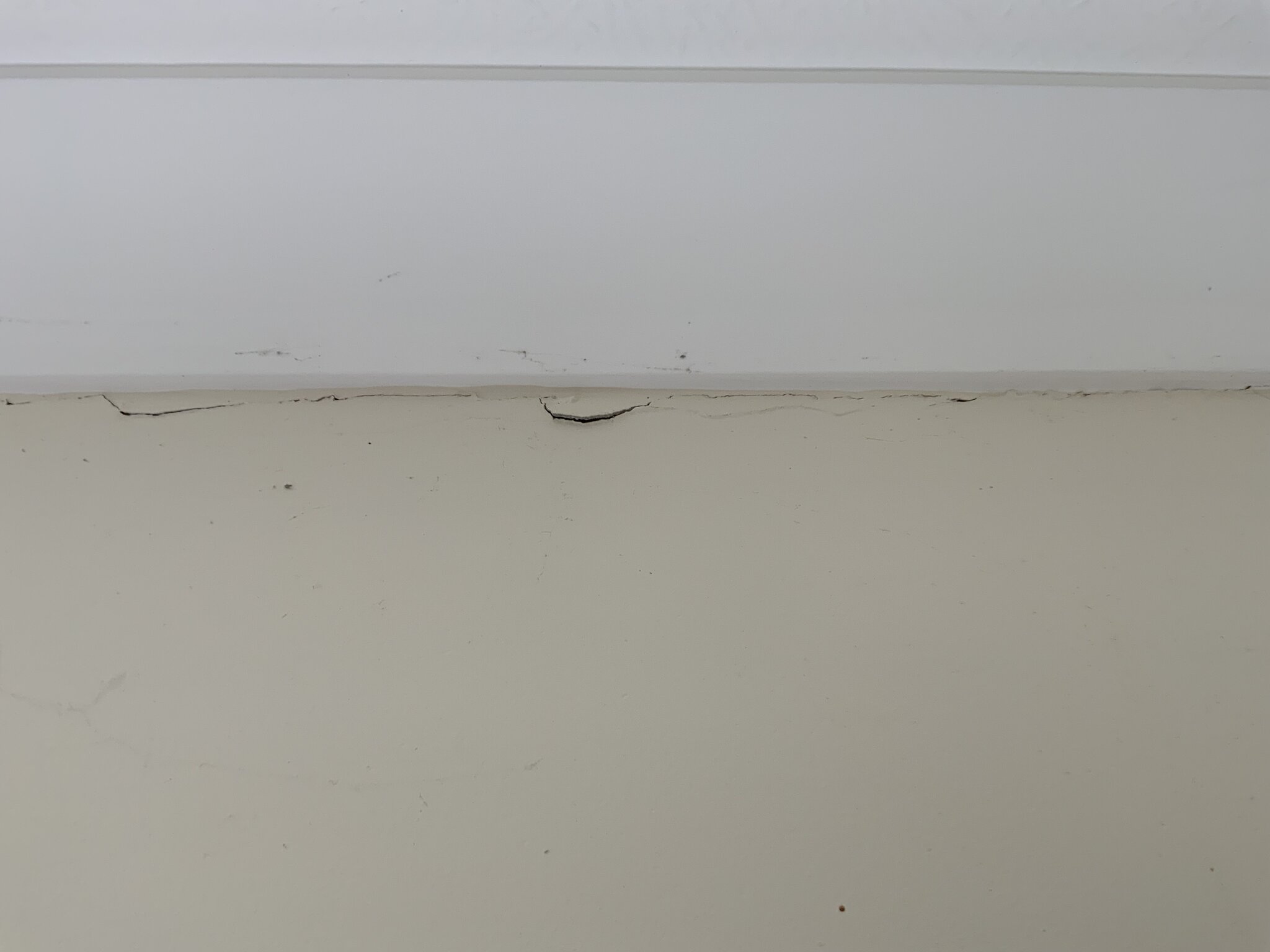
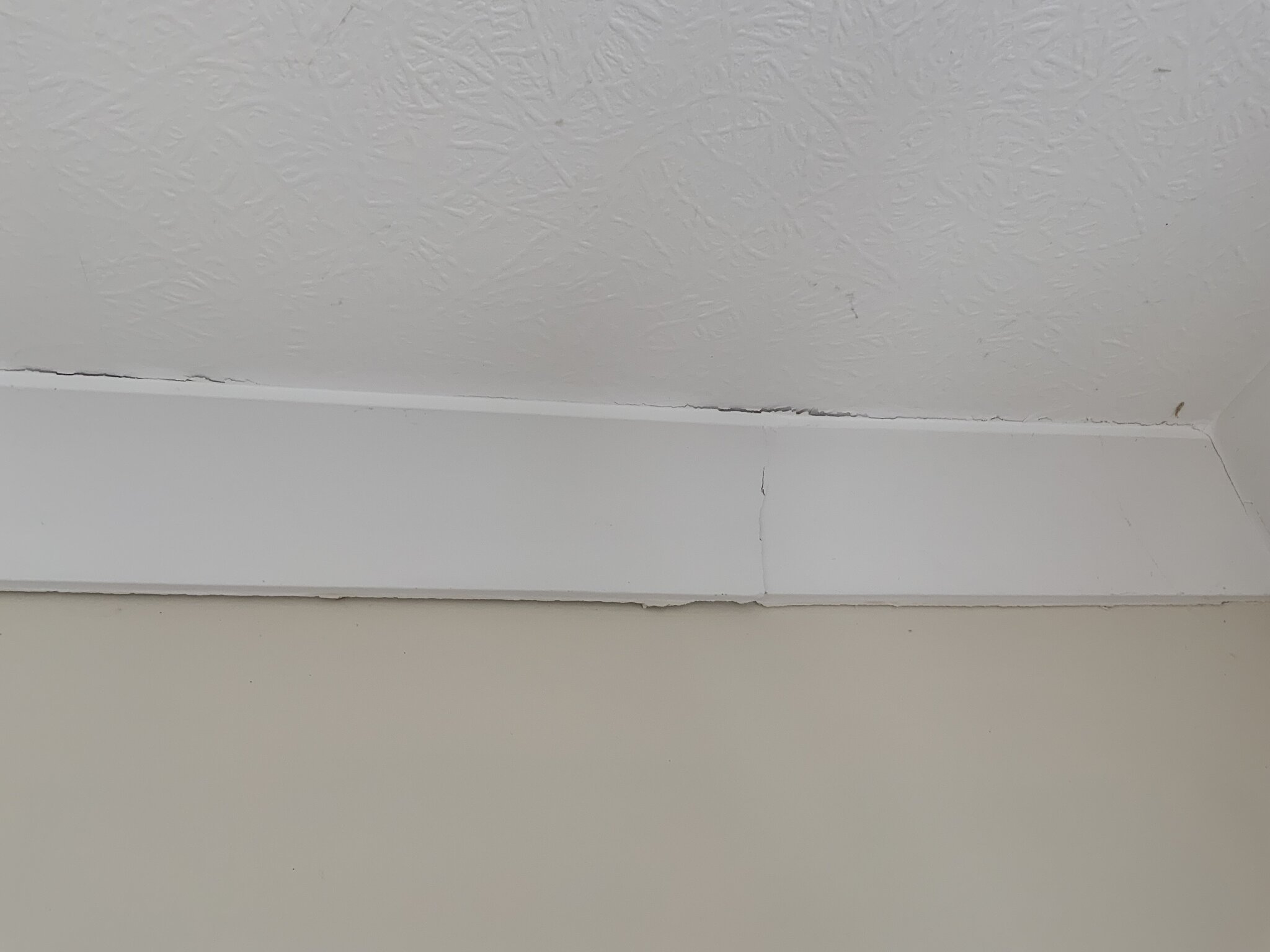
About 15 years ago I put up coving in several rooms using easifill as cement. Most is fine, but in the two bedrooms above windows the coving has started to separate from the wall, and in places the plaster on the wall below has cracked. Some photos below. This is a bungalow, the walls with the cracks are at the end of the roof, not the sides, and south facing. The coving was like this originally, before I replaced it, so its not my fault per se. The problem is much less severe in the room with the overboarded ceiling. I assume this is due to movement in the ceiling. I will take down the coving and restick it. Is there anything I can do to prevent or reduce the cracking in the wall plaster and keep the coving on? Should I put some fibreglass reinforcing mesh on the wall before I put on the coving? Also I used acrylic paint on the walls and emulsion on the ceiling and coving. The latter is porous, so perhaps moisture plays a role. I did have mould issues before installing a dehumidifier.
IMG_1909.jpeg


IMG_1908.jpeg
 
The best adhesive is gyproc cove adhesive. It's a powder and it's brilliant. I always sealed the wall and ceiling surfaces prior to fitting coving.
If you think the painted surface could come away scratch and scoop some off back to a good sound surface prior to sealing.

As for sealing, waterproof PVA mixed 4 to 1 or Gardz is good.

Only adhesive stronger then gyproc is white star tile adhesive. I used that when fitting coving over tiles....

As a warning. Other manufacturers sell board adhesive used for dot and dabing plasterboard in small bags marked up as cove adhesive. It's not good over emulsion which there is a warning about. Don't use it.
Easyfill 20 is ok and I use if I run out of gyproc
 
Gyproc cove adhesive and scribe the wall if you have the energy/inclination. I have scribed and not scribed and never had a problem with the coving
 
Thank you for recommending a better adhesive. However, this doesn’t solve why the wall plaster cracks. Last time when I removed the old plaster, 15 years ago, I found the plaster on the wall beneath the coving severely cracked the whole length of the wall, with cracks extending a few inches below. I saw this in both rooms that share the same end wall and I see it today. I don’t see this at the other end of the house which otherwise looks the same. I don’t see it on other walls either.
 

If you need to find a tradesperson to get your job done, please try our local search below, or if you are doing it yourself you can find suppliers local to you.

Select the supplier or trade you require, enter your location to begin your search.


Are you a trade or supplier? You can create your listing free at DIYnot Local

 
Back
Top