- Joined
- 5 Jan 2025
- Messages
- 3
- Reaction score
- 0
- Country

Hi guys first time poster on here so go easy!
I'm planning on having a loft conversion done and would like to do a few bits myself. I've done plenty of DIY around the house so I'm fairly confident but this would be my first major structurally related job.
So in my loft (mid-terraced property around 1800's) there's a purlin either side of the property with a supporting piece that joins to the joists below. Would it be possible to install supporting beams on each / every other rafter that goes straight down to square out the room instead of the purlin? Or would this create too much stress on the joists below?
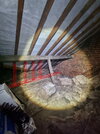
I've done a sketch to try explain what I mean. I understand that the diagonal brace is that way as to support the load of the roof in that direction so the proposed idea wouldn't be as far back as I've drawn. The idea is to create a bit more room and so I can insulate and plasterboard it. The next question is about floor joists. So I've watched a few videos on loft conversions in terraced properties and for the floor joists I was thinking about tieing them to either side of the walls parallel to the current joists but raised say 30mm to then be able to put boarding down for the floor.
Any help or criticism on my idea for this would be greatly appreciated, thank you.
I'm planning on having a loft conversion done and would like to do a few bits myself. I've done plenty of DIY around the house so I'm fairly confident but this would be my first major structurally related job.
So in my loft (mid-terraced property around 1800's) there's a purlin either side of the property with a supporting piece that joins to the joists below. Would it be possible to install supporting beams on each / every other rafter that goes straight down to square out the room instead of the purlin? Or would this create too much stress on the joists below?
I've done a sketch to try explain what I mean. I understand that the diagonal brace is that way as to support the load of the roof in that direction so the proposed idea wouldn't be as far back as I've drawn. The idea is to create a bit more room and so I can insulate and plasterboard it. The next question is about floor joists. So I've watched a few videos on loft conversions in terraced properties and for the floor joists I was thinking about tieing them to either side of the walls parallel to the current joists but raised say 30mm to then be able to put boarding down for the floor.
Any help or criticism on my idea for this would be greatly appreciated, thank you.
Attachments

Last edited: