- Joined
- 7 May 2025
- Messages
- 25
- Reaction score
- 2
- Country

Hi,
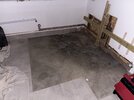
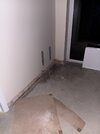
We are doing the final parts of our renovation and unfortunately had a leak in a stud wall due to a faulty join that we think went overnight the first night the boiler was left on. It has left the patches of wet you see here, so have had to strip everything out and am getting some equipment in to start the drying.
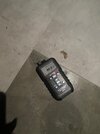
The question it’s raised is as I tested the rest of the screed to try and find where dry started, I was still getting relatively high readings. I really don’t want to have to take the whole floor up as it will likely delay the project by weeks, but wondered if anyone knows what an OK reading is? When I use my pin type monitor it is saying around 23% in the areas that aren’t impacted by the leak, but I’ve heard those aren’t great for latex.
The RH % looks below 75% (just), which if heard was the sensible limit, but would really welcome some advice as the whole reason for the renovation was because of a leak!
Any help really appreciated.
We are doing the final parts of our renovation and unfortunately had a leak in a stud wall due to a faulty join that we think went overnight the first night the boiler was left on. It has left the patches of wet you see here, so have had to strip everything out and am getting some equipment in to start the drying.
The question it’s raised is as I tested the rest of the screed to try and find where dry started, I was still getting relatively high readings. I really don’t want to have to take the whole floor up as it will likely delay the project by weeks, but wondered if anyone knows what an OK reading is? When I use my pin type monitor it is saying around 23% in the areas that aren’t impacted by the leak, but I’ve heard those aren’t great for latex.
The RH % looks below 75% (just), which if heard was the sensible limit, but would really welcome some advice as the whole reason for the renovation was because of a leak!
Any help really appreciated.