There is very little the anchored ship could have done to avoid the collision.
The ship underway should have a bridge team, especially when transiting a busy sea route.
The ship at anchor should have a watchkeeper to record regular bearing sightings to check ship is not dragging its anchor.
But the ship at anchor should have DSC'd the other ship and advised them at about 5 mins out, latest and then again on Ch16 if no reply. I suspect the lack of log or call will be enough for the at anchor vessel to be charged.
But the ship at anchor should have DSC'd the other ship and advised them at about 5 mins out, latest and then again on Ch16 if no reply. I suspect the lack of log or call will be enough for the at anchor vessel to be charged.
But didn't the colliding ship change course just before it hit? I can understand a closing ship with a constant bearing would generate a warning on the net, but a late change of course would be tough to mitigate.
But didn't the colliding ship change course just before it hit? I can understand a closing ship with a constant bearing would generate a warning on the net, but a late change of course would be tough to mitigate.
No - in this thread the AIS track was presented at a scale of about 100m. What you saw was the bounce and effect of the anchored ship on the impacting ship. Both ships AIS would have shown a collision risk for at least 10-15 mins and CPoA would have been close to zero or just a few meters.
when I cross the channel I usually do a courtesy call at 10 mins if a cargo vessel has a CPoA of less than 200m. A lot hope you will adjust course, but will usually reply that they will adjust speed. The benefit of a DSC or CH16 call is it will be heard by others and the DSC call is logged.
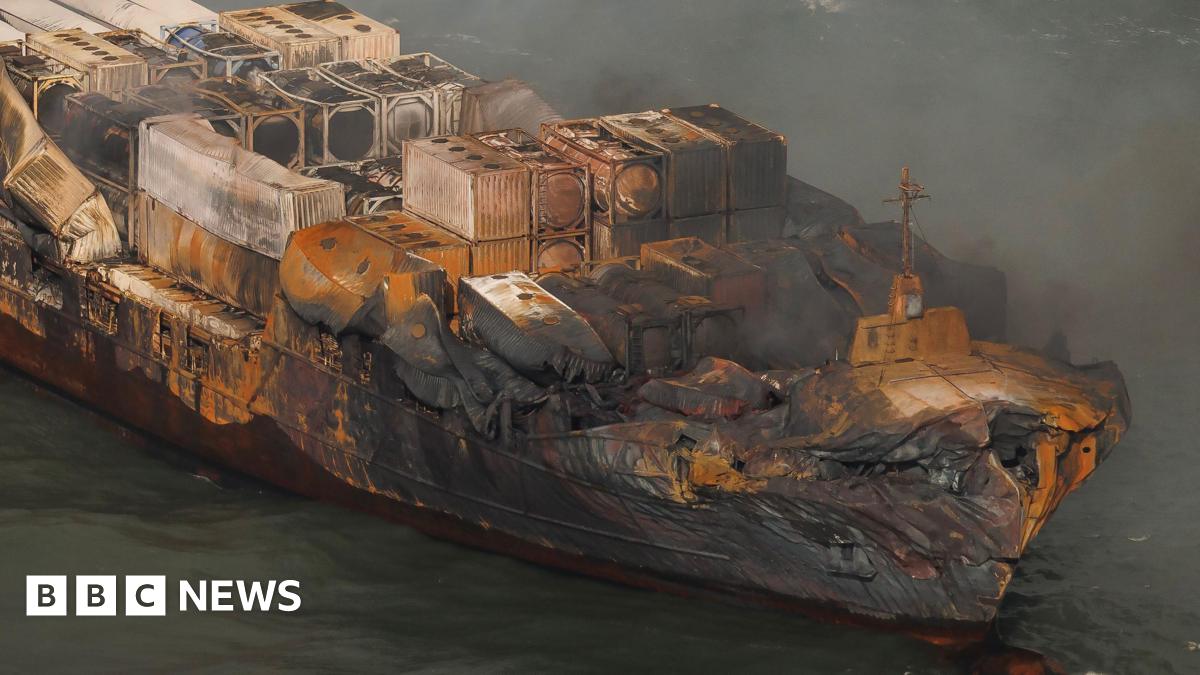
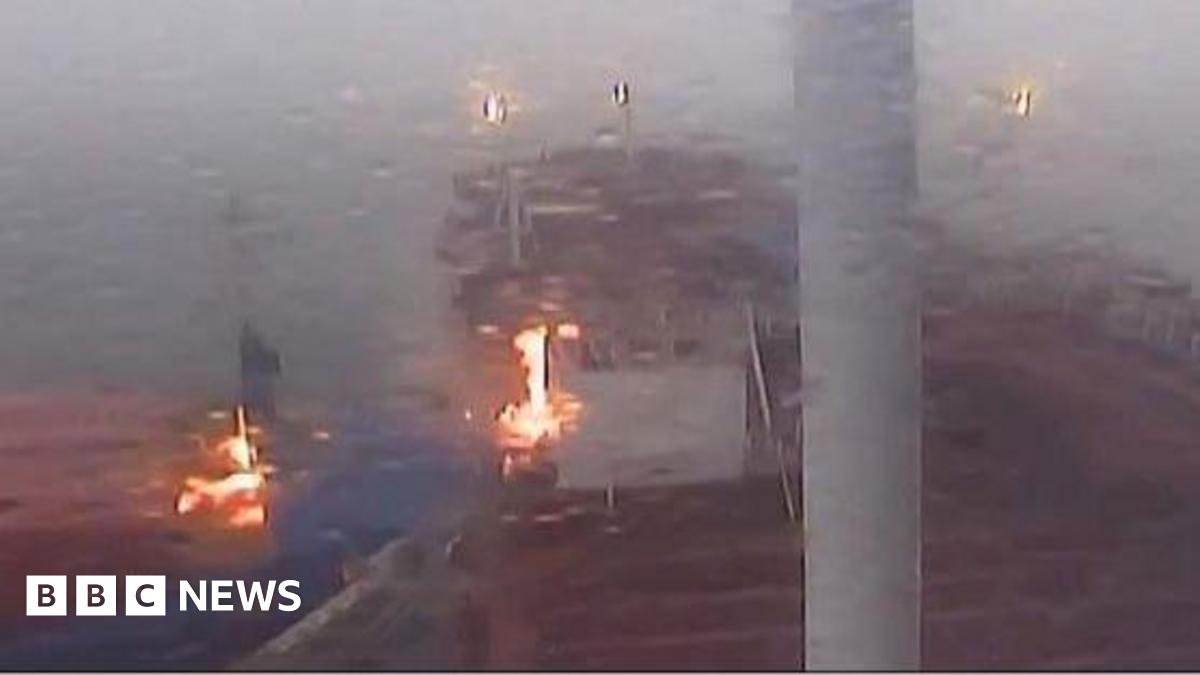
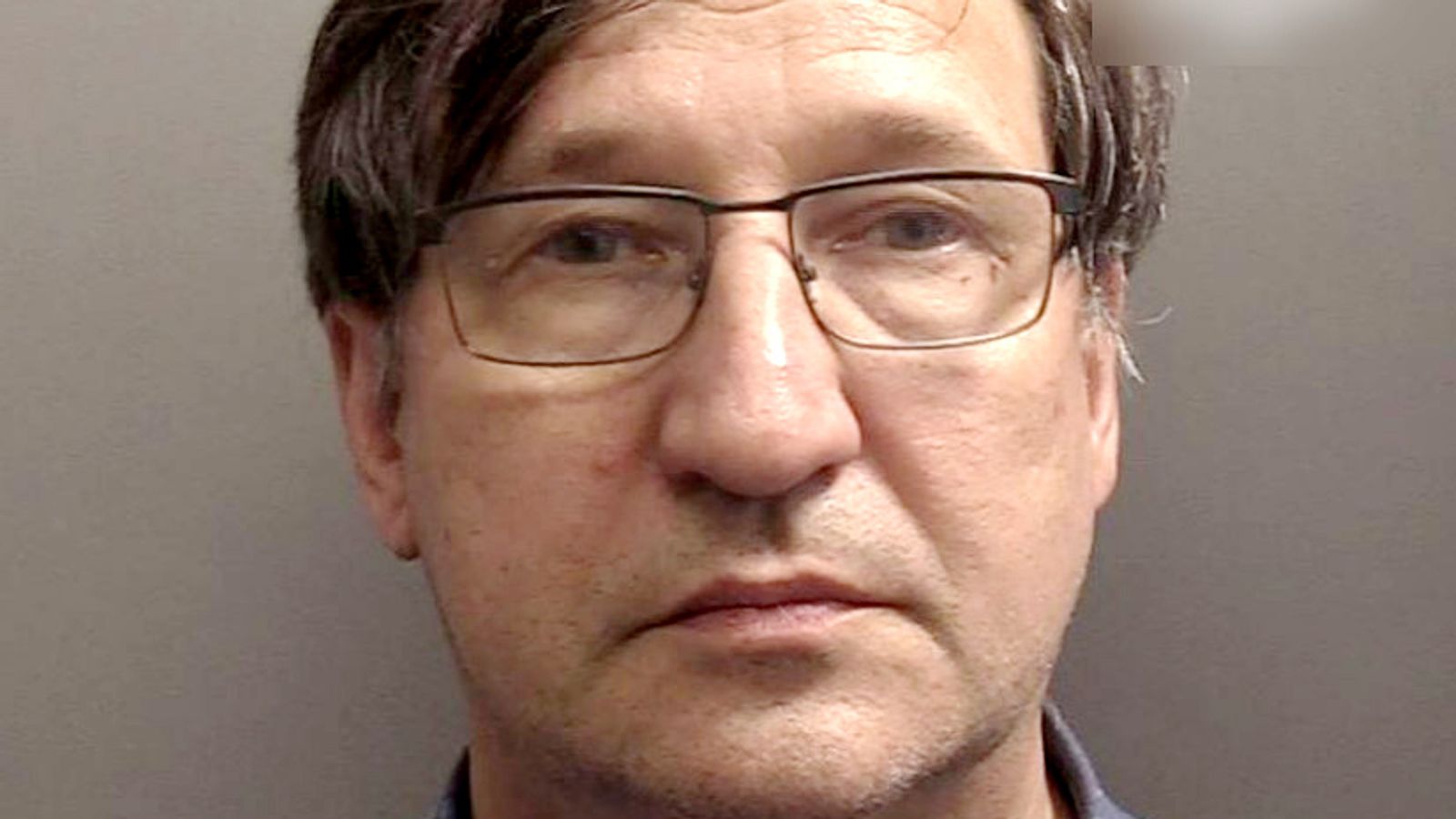
A Russian ship's captain has been jailed for six years after his container vessel crashed into a US oil tanker in the North Sea last March, killing one crew member.
Mark Angelo Pernia, 38, died in the crash, caused by what the judge described as Vladimir Motin's "complacency and arrogance". He added that the captain of the Solong was "a serious accident waiting to happen".
news.sky.com
During sentencing on Thursday, Mr Justice Andrew Baker described Motin's account as "extremely implausible" and "even worse" than the prosecution's version of events.