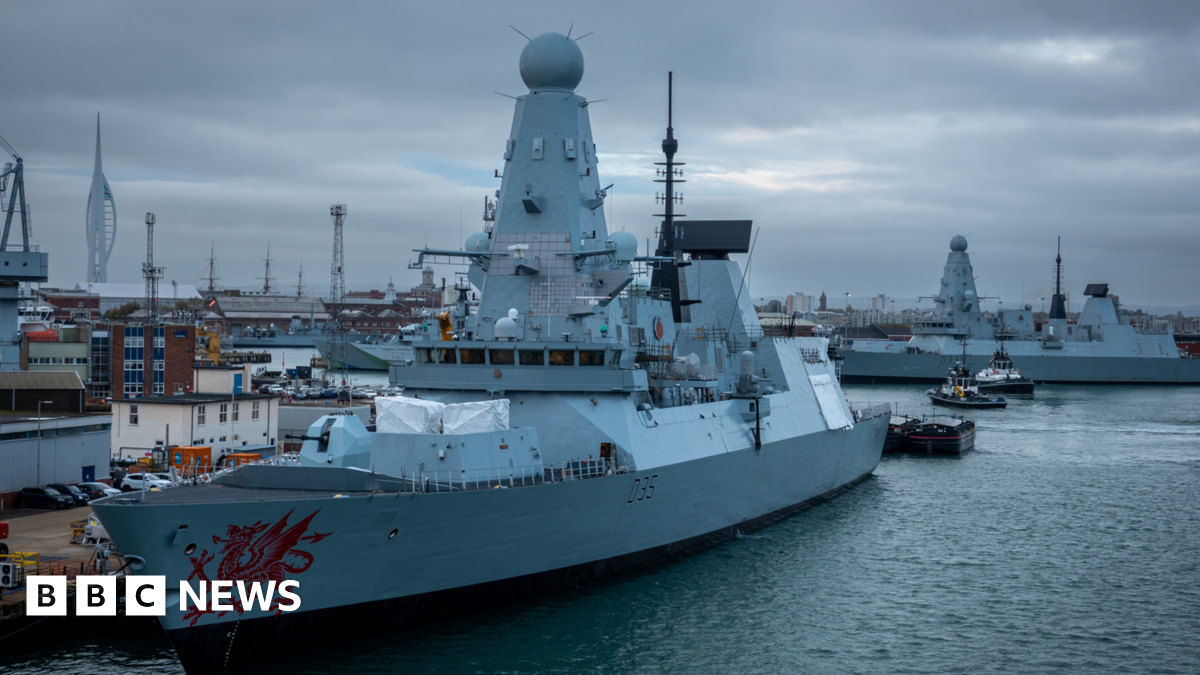
Trumps attack on Iran - 2026 edition

How will the upcoming attack on Iran go.


  • Total voters
    18
You think that joining in on the side of Trump and Israel would reduce damage to British interests.
 
You think that joining in on the side of Trump and Israel would reduce damage to British interests.
If it means having to then yes, but we do not have to join in but we do need to defend our bases and interests out there
 
Yep, you're definitely mental, as well as being a rancid traitor. I'd have you deported if I had my way.
And yes, you are a disgrace to all things British. You would fight for the islamic extremists over fighting for the UK.....

Woof!
 
Trump failed to give a proper explanation to any of his NATO allies as to why the war was legal and/or what he hoped to achieve. He doesn't know himself what he wants. It is no surprise none of us joined in.

Explanation to who ?? Legal doubt trump cares tbh

Legality he has the same attitude as poo tin and that Chinese leader the 3 big powers
Stuff the legality it don’t amount to a bag of beans to them

Joined in ?? Trump does not give a stuff if some middle ranking ( at best) European countries joined in or not

Endless meetings and agreeing to dis agree and have another meeting one of there endless meetings
 
Explanation to who ?? Legal doubt trump cares tbh

Legality he has the same attitude as poo tin and that Chinese leader the 3 big powers
Stuff the legality it don’t amount to a bag of beans to them

Joined in ?? Trump does not give a stuff if some middle ranking ( at best) European countries joined in or not

Endless meetings and agreeing to dis agree and have another meeting one of there endless meetings

Politically, Trump cares. Hence his hissy fits. Militarily, it makes no difference.

Usually, when you ask allies to join you in waging war on another country, you explain clearly what you want to achieve.

The legality doesn't matter to Trump. But it does to most other countries.
 
Politically, Trump cares. Hence his hissy fits. Militarily, it makes no difference.

Usually, when you ask allies to join you in waging war on another country, you explain clearly what you want to achieve.

The legality doesn't matter to Trump. But it does to most other countries.
in modern international relations, leaders are not legally required to provide a formal, advance explanation to each other before going to war, and explicit declarations of war have become very rare.
While historical, chivalric, or legalistic traditions—such as the Hague Convention (III) of 1907—once dictated that nations issue formal warnings or ultimatums, this is no longer the standard practice.
Oxford Public International Law +1
Here is the breakdown of why and how this works:
  • The End of Formal Declarations: The last time the United States Congress formally declared war was World War II, despite engaging in numerous conflicts since. Modern conflicts often begin with surprise attacks, "special operations," or undeclared, de-facto hostilities.
  • Strategic Surprise: Attacking nations usually want the benefit of choosing the time and place of the assault, making a "heads-up" counterproductive to their military objectives.
  • Legal Standing: While a formal declaration is not necessary, international law (under the UN Charter) generally prohibits the use of force unless it is in self-defense or authorized by the UN Security Council.
  • Euphemistic Language: Instead of declaring war, leaders often frame military action as "self-defense," "intervention," or "special military operations" to avoid legal or international backlash.
  • Notifications: While not a "courtesy" announcement, international law requires that if a state of war is acknowledged, it must be officially declared to avoid confusion, and parties to conflict are required to adhere to international humanitarian law (laws of war) regardless of whether a declaration was made.
    Wikipedia +4
In summary, while leaders might explain their actions to the world or to their own people for propaganda or legal justification, they rarely provide formal notice to their adversary beforehand.

 
Very interesting, thanks. But not really related to anything I posted!

in modern international relations, leaders are not legally required to provide a formal, advance explanation to each other before going to war, and explicit declarations of war have become very rare.
While historical, chivalric, or legalistic traditions—such as the Hague Convention (III) of 1907—once dictated that nations issue formal warnings or ultimatums, this is no longer the standard practice.
Oxford Public International Law +1
Here is the breakdown of why and how this works:
  • The End of Formal Declarations: The last time the United States Congress formally declared war was World War II, despite engaging in numerous conflicts since. Modern conflicts often begin with surprise attacks, "special operations," or undeclared, de-facto hostilities.
  • Strategic Surprise: Attacking nations usually want the benefit of choosing the time and place of the assault, making a "heads-up" counterproductive to their military objectives.
  • Legal Standing: While a formal declaration is not necessary, international law (under the UN Charter) generally prohibits the use of force unless it is in self-defense or authorized by the UN Security Council.
  • Euphemistic Language: Instead of declaring war, leaders often frame military action as "self-defense," "intervention," or "special military operations" to avoid legal or international backlash.
  • Notifications: While not a "courtesy" announcement, international law requires that if a state of war is acknowledged, it must be officially declared to avoid confusion, and parties to conflict are required to adhere to international humanitarian law (laws of war) regardless of whether a declaration was made.
    Wikipedia +4
In summary, while leaders might explain their actions to the world or to their own people for propaganda or legal justification, they rarely provide formal notice to their adversary beforehand.
 
Very interesting, thanks. But not really related to anything I posted!
It is something that countries can do without giving any formal warnings to either the country they are going to attack or to their allies.
 
Back
Top