
kitchen light

Joined
27 Apr 2011
Messages
11
Reaction score
0
Location
Lincolnshire
Country
United Kingdom
hi guys and gals, im new to this website but after changing all the light fittings and sockets in my house found this website very helpful :D
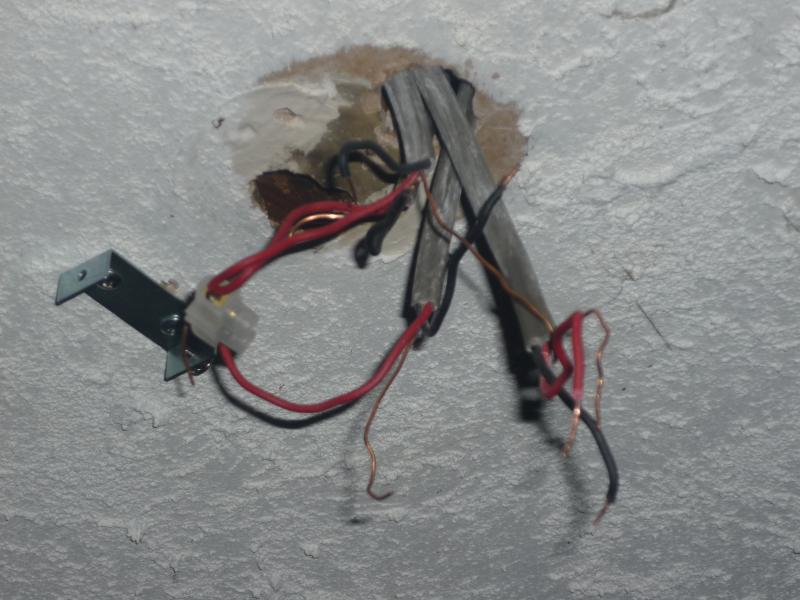
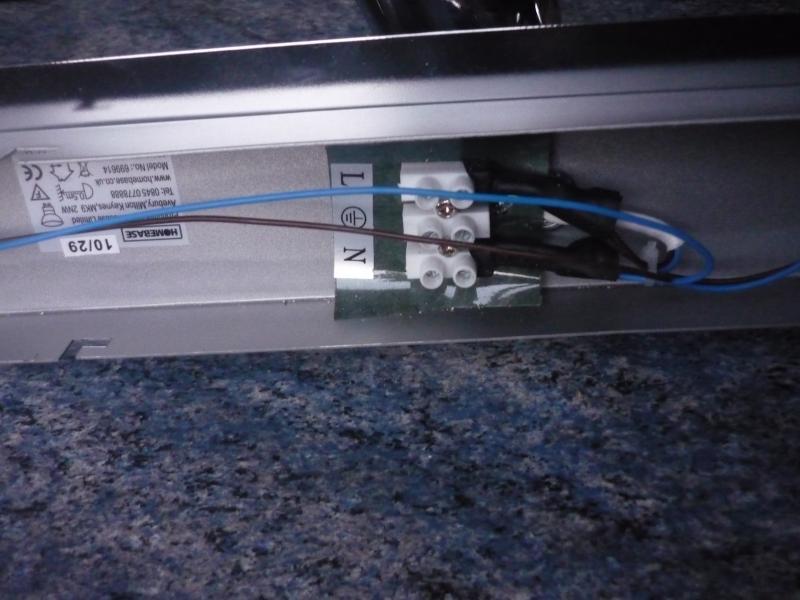
obviously though all cant go swimmingly and after battling with my kitchen light switches for 3 hours i finally came to my final problem, my light itself, i bought a new one and full of confidence took the other down as i have done 6 already throughout the house, here are some pics of what ive found and what i need to squeeze them into, the wire with no coverage is the earth wire btw gratewful for all help regarding where i can put these damn wires
 
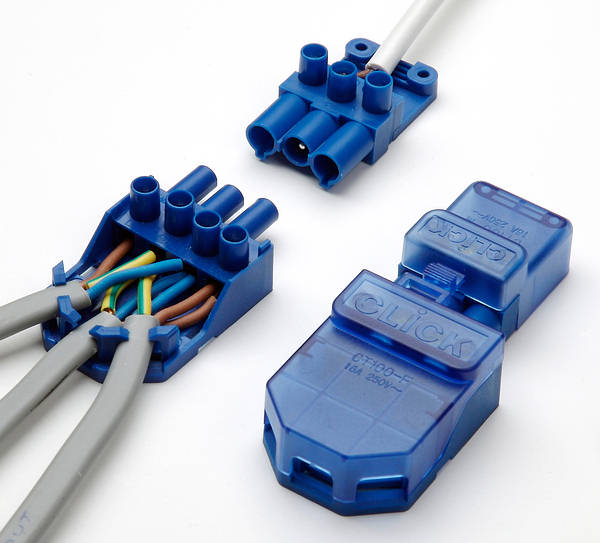
TLCT100C.JPG


http://www.tlc-direct.co.uk/Products/TLCT100C.html

You have to get some grn yellow earth sleeve and cover the cpc's (earth cables).

The 3 x cables, 1 is circuit in (A), 1 is circuit out (B) and the 3rd is the switch wire (C)

Join cables A and B, colour for colour, black - neutral, red = live.

The neutrals go on to the N terminal on the fitting, Cable C has the red core connected with the red cores of cable A and B (live). The black core of cable C is now the switched live, and should be identified with some red sleeve added. This terminates on the L of the fitting.

And the earths / cpc's wll go to the E of the fitting.


Issue is, do you know which cable is C ?
 
i bought a new one and full of confidence took the other down as i have done 6 already throughout the house,
Did you make a note of what went where in the old fitting?


here are some pics of what ive found and what i need to squeeze them into, the wire with no coverage is the earth wire btw gratewful for all help regarding where i can put these damn wires
If all the other lights still work then the reds joined together are the live loop, plus (probably) the switch cable, so one of the blacks in those cables will be the switched live.

The cable not connected to anything? Who knows. were there two lights controlled by the same switch?

Do you have a multimeter?
http://www.diynot.com/wiki/electrics:lighting
 
#2 is what is Cable D for?

Where's cable D :shock:

If your referencing the other side of the plug in j/b I showed in my post then that's a short cable between plug and light fitting.

Yes you can use a box connection j/b but my suggestion has the ease factor of doing the ceiling cables as item 1, then doing the cable for fitting as item 2 and not having the hassle of being up a ladder, one hand supporting the fitting and attempting terminal joins one (and maybe an extra half) handed.

It's a pita job even when you have done it 1000's of times, the plug / socket terminal boxes just make it easier for DIYers, and even the experienced pro.
 
Where's cable D :shock:
On the right.


If your referencing the other side of the plug in j/b I showed in my post then that's a short cable between plug and light fitting.
No - I'm referring to his photo which shows 4 cables.

You've told him what to do with 3 of them, A,B & C (but recognised that of that group there is the issue of identifying which is C).

It seemed reasonable to label the 4th cable 'D'


the plug / socket terminal boxes just make it easier for DIYers, and even the experienced pro.
I got some the other day, to retrofit onto some recessed lights before a new floor goes down in the room above.
 
no none of my lights downstairs now work except my toilet light, its such a mess, im guessing i need to find out which is which regarding wires to rooms but then i gotta work out how to connect the damn things
 
TLCT100C.JPG


http://www.tlc-direct.co.uk/Products/TLCT100C.html

You have to get some grn yellow earth sleeve and cover the cpc's (earth cables).

The 3 x cables, 1 is circuit in (A), 1 is circuit out (B) and the 3rd is the switch wire (C)

Join cables A and B, colour for colour, black - neutral, red = live.

The neutrals go on to the N terminal on the fitting, Cable C has the red core connected with the red cores of cable A and B (live). The black core of cable C is now the switched live, and should be identified with some red sleeve added. This terminates on the L of the fitting.

And the earths / cpc's wll go to the E of the fitting.


Issue is, do you know which cable is C ?
ill be honest i dont really know much about which is anything, all the others upstairs were updated and really easy
 
i bought a new one and full of confidence took the other down as i have done 6 already throughout the house,
Did you make a note of what went where in the old fitting?


here are some pics of what ive found and what i need to squeeze them into, the wire with no coverage is the earth wire btw gratewful for all help regarding where i can put these damn wires
If all the other lights still work then the reds joined together are the live loop, plus (probably) the switch cable, so one of the blacks in those cables will be the switched live.

The cable not connected to anything? Who knows. were there two lights controlled by the same switch?

Do you have a multimeter?
http://www.diynot.com/wiki/electrics:lighting
no note was made regarding the old one i thought i was going to be as simple as the rest of the house, and we all know what thought did
 
Connect black that goes to the switch to L of the fitting - sleeve with red

Connect remaining blacks to N of the fitting

Connect earths sleeved with green and yellow sleeving to earth terminal

Connect all reds to a separate connector on their own.
 
Guess 1.

If it were me I had to guess I would connect the two short blacks on the left together (with power off) and then see if the lights in the other rooms start working.

Put the switch in this room to OFF and leave it in that possition.


To find out.

Turn the power off.
Get a multimeter and put it on the setting with music notes near 200R.
So that when you touch the two leads together it beeps and/or reads about 0.

Then test that middle cable. Connect one meter lead to the red wire in connection block and other meter lead to the loose black wire.
Have someone switch that rooms light switch on and off and see if the meter beeps when the switch is on, and doesn't when off. If it does that, that is the switch wire. Put a bit of red tape round the black wire to identify that is the switch wire.
 

If you need to find a tradesperson to get your job done, please try our local search below, or if you are doing it yourself you can find suppliers local to you.

Select the supplier or trade you require, enter your location to begin your search.


Are you a trade or supplier? You can create your listing free at DIYnot Local

 
Back
Top