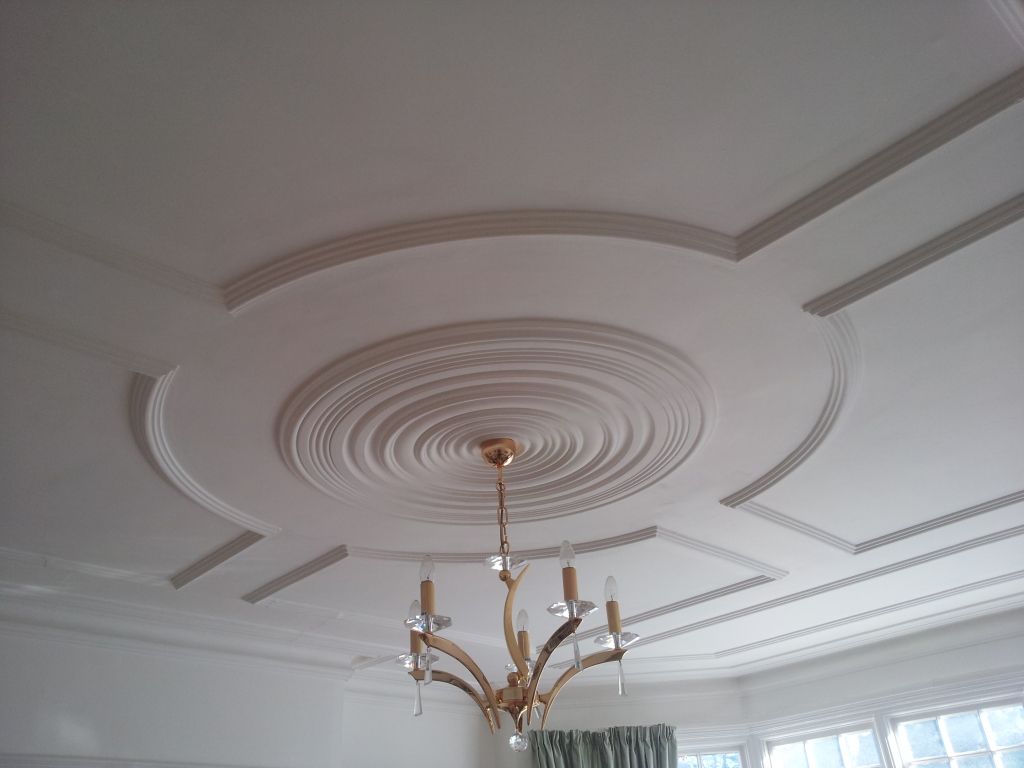
How is this coving/effect done?

Joined
18 Aug 2010
Messages
1,012
Reaction score
27
Location
London
Country
United Kingdom
Hi

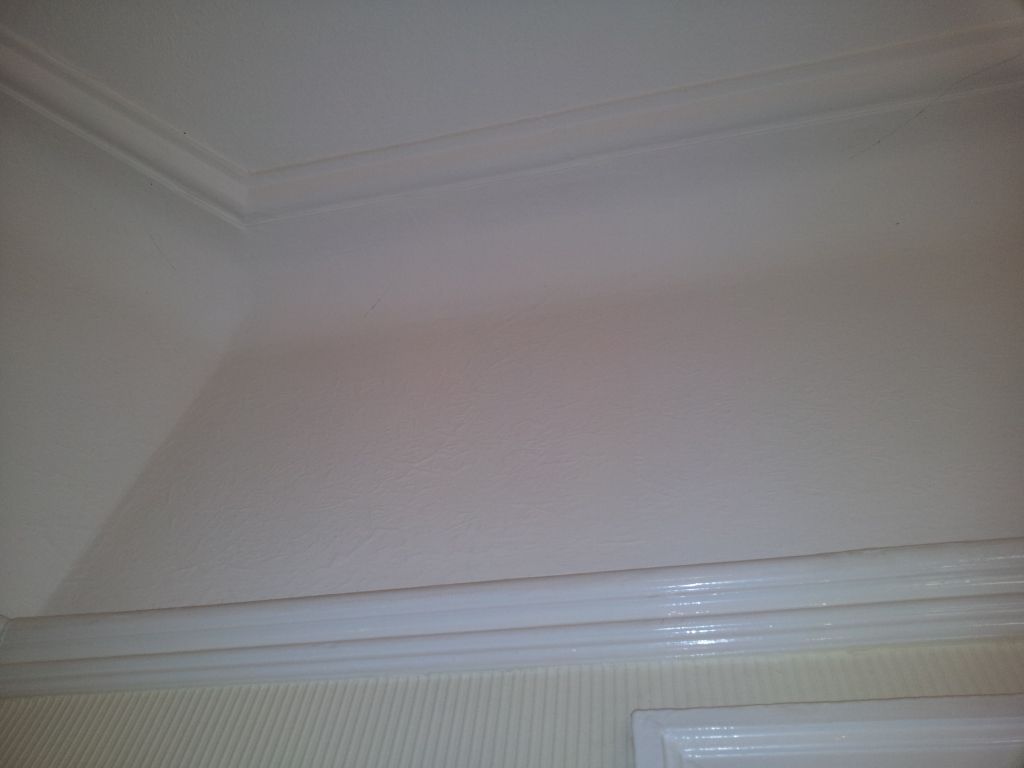
I have original coved ceilings in my hallway that may get destroyed to some extent by upcoming building works. Basically the wall starts to curve as comes to meet the ceiling and then there is some simple coving.

How is this curved effect actually done?
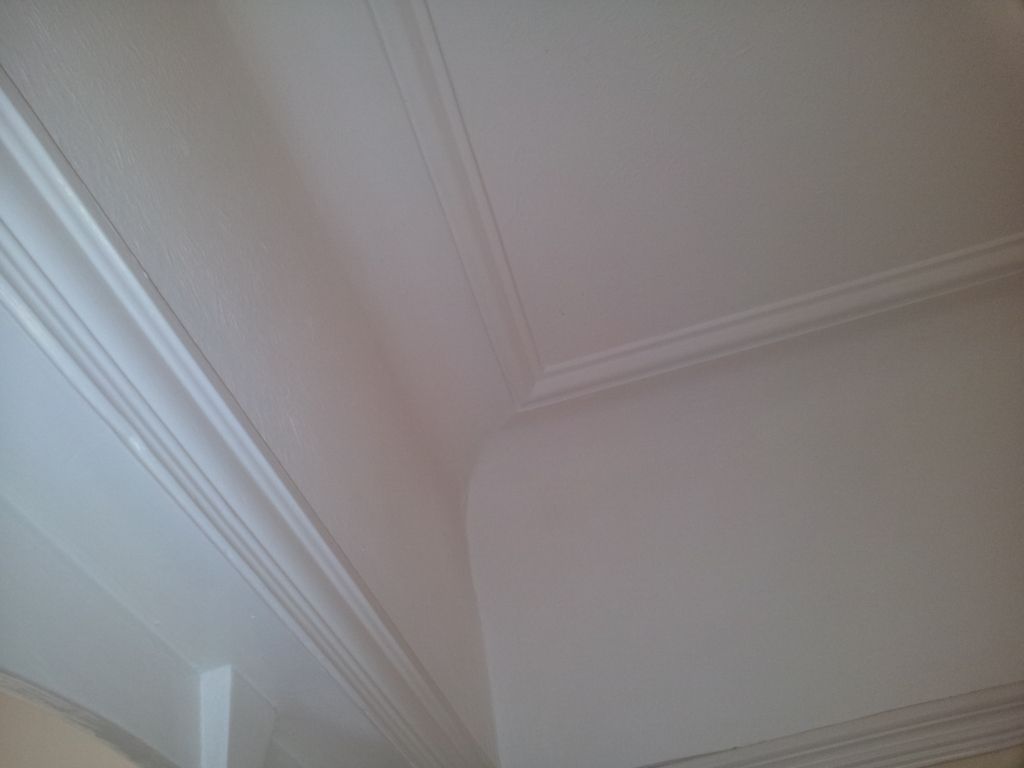

2012-11-07102138.jpg


2012-11-07102027.jpg


Many thanks
 
I would say that the top moulding is put up there and the cove itself is run in situ.

Is there a defining line between bottom of cove and wall or is that just a paint line /paper

Is the bottom feature a wooden picture rail?[/i]
 
I would agree with Micilin, There must be a top moulding put there first of all and the cove will be like Micilin said run in 'situ'.

Can you give me any more details of the job itself as i've done many a coving job myself.
 
Thanks guys.

Micilin, I'm not quite sure what you mean when you say 'the cove is run in situ'

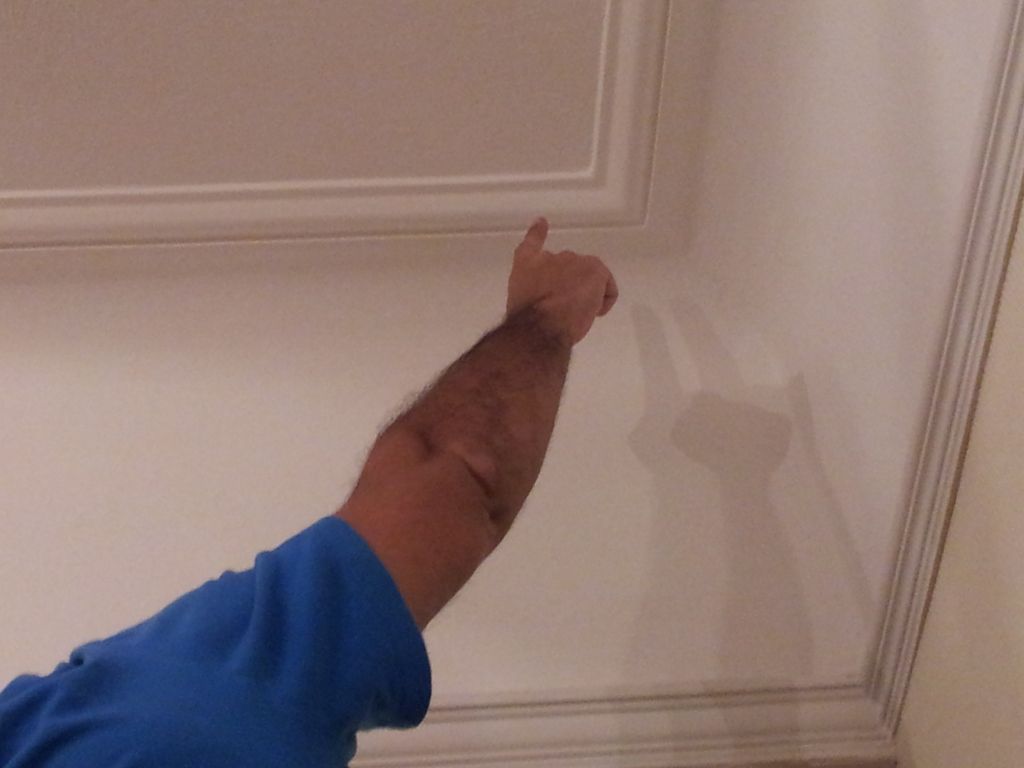
There is this section I'm pointing to in the pic below. I presume this is a piece of ready made coving that can be bought?

2012-11-10170210.jpg


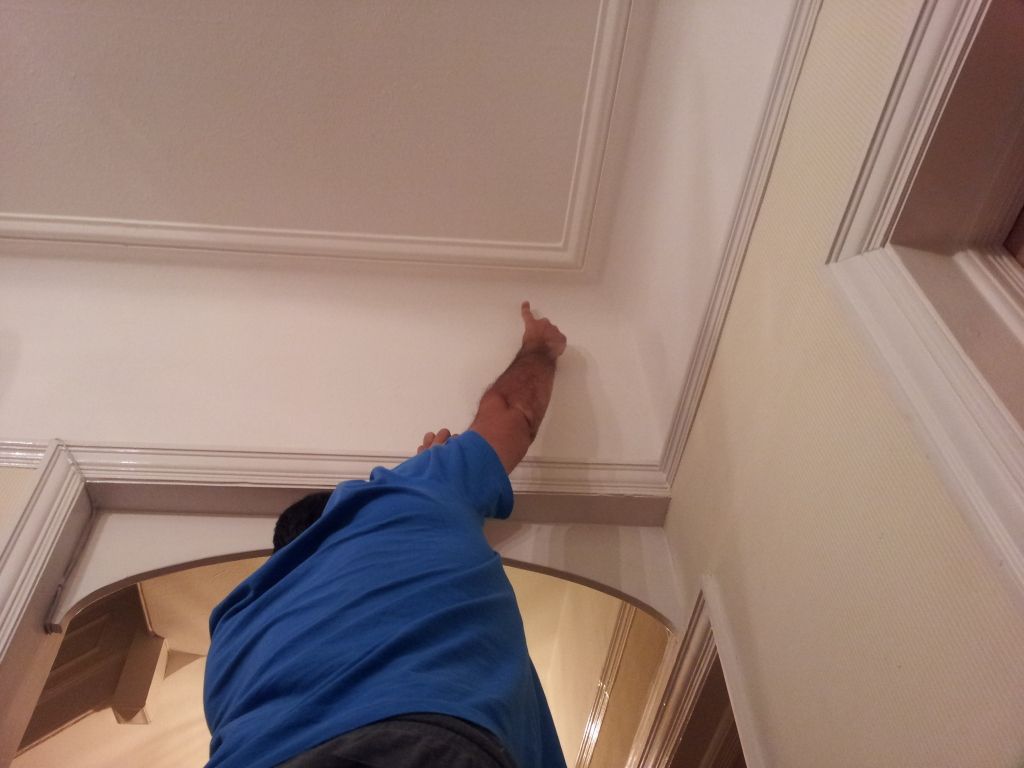
And then there is this section at the very top of the wall where it meets the outer edge of the coving/ceiling. The wall does not form a right angle with the coving/ceiling, it is curved. How is this curved effect achieved?

2012-11-10165851.jpg


Thanks again for your help
 
I think that if that is the original coving for the house the curve may be formed by "laths" nailed to a curved frame-work equally spaced then the old sand and lime plaster with horse hair or ox hair mixed into it to "bond "it together. If it is not original then it is probably still made from a curved frame work with plaster board "scored" on the back to make a curve then plastered and skimmed over, or still with laths but modern plasters...
 
with plaster board "scored" on the back to make a curve then plastered and skimmed over, or still with laths but modern plasters...
you ever heard of or done it using coving roy?

No steve but I see what you mean I have put up loads of coving a lot of the fibrerous ornate stuff but I was working with my old partner then who was a cabinet maker joiner and he did all the cuts for the angles.I must admit I have never run any moulds in situ all the ones we put up were already made up...I did quite a few arches years ago where I have formed the arch with 5mm ply on a frame made out of 2"x1" batton forming a cemi-circle then putting plasterboard over it with cuts in the back of the board to follow the arc and nailng it to the frame.(before screws became the "norm" for fixing p/board).Also formed a few arches with the "mesh" kits and curved angle beads that you got to form arches. Not done any plaster arches for years but done a few rendered ones over the past years..
 
I think that if that is the original coving for the house the curve may be formed by "laths" nailed to a curved frame-work equally spaced then the old sand and lime plaster with horse hair or ox hair mixed into it to "bond "it together. If it is not original then it is probably still made from a curved frame work with plaster board "scored" on the back to make a curve then plastered and skimmed over, or still with laths but modern plasters...


Thanks Roy.

It is indeed the original coving and the rest of the house has lath and lime plaster walls so you sound spot on.

The reason I asked the question is because forthcoming building/extension works to the house mean that some of this original coving will get damaged.

Of course I want to have it repaired/reinstated where this happens but am worried how this will be done by a general builder.

So if you were having to repair or create this kind of effect now, how would you do it?

Many thanks for your help
 
Hi indus

You can find plasterers who can redo the mouldings that you have. These are plasterers who specialise in making fibreous mouldings which is what you have. I would ask around in your area (maybe yellow pages or google fibreous plasterers ) and I am sure you should get a reputable company that could replace them "like for like". Make sure that whoever you get, that you see a sample of their work and let them come and take photos of your mouldings and maybe even take samples of them so they can reproduce them. It is nice to know there are still people out there like yourself who want to put back things in period houses similar to or as near as to the originals ..Good luck..
 
Hi indus

You can find plasterers who can redo the mouldings that you have. These are plasterers who specialise in making fibreous mouldings which is what you have. I would ask around in your area (maybe yellow pages or google fibreous plasterers ) and I am sure you should get a reputable company that could replace them "like for like". Make sure that whoever you get, that you see a sample of their work and let them come and take photos of your mouldings and maybe even take samples of them so they can reproduce them. It is nice to know there are still people out there like yourself who want to put back things in period houses similar to or as near as to the originals ..Good luck..


Thanks Roy, that is very useful. I've already taken your advice and found some local people who do 'fibrous plastering' via google.

I'll give them a call on Monday to see what the costs will be.

I wouldn't dream of losing the period features, the problem is though that all this sort of stuff usually costs! But it's what attracted me to the house so it would be a travesty to lose it.

On this pic the wall on the left hand side is going to be knocked out and I am pretty sure the coving will get damaged and so will also need repairing.

2012-11-11094527.jpg


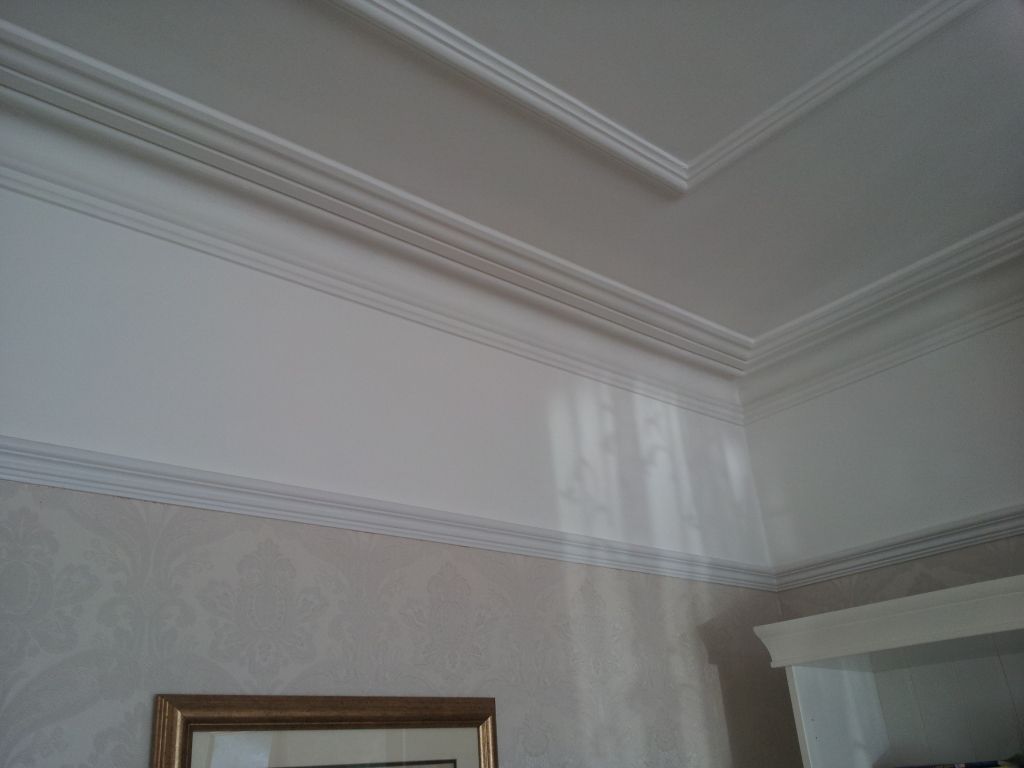
And just for interest here is my favourite piece of coving in the house.

Thanks again!

2012-11-11094548.jpg
 
with plaster board "scored" on the back to make a curve then plastered and skimmed over, or still with laths but modern plasters...
you ever heard of or done it using coving roy?

No steve but I see what you mean I have put up loads of coving a lot of the fibrerous ornate stuff but I was working with my old partner then who was a cabinet maker joiner and he did all the cuts for the angles.I must admit I have never run any moulds in situ all the ones we put up were already made up...I did quite a few arches years ago where I have formed the arch with 5mm ply on a frame made out of 2"x1" batton forming a cemi-circle then putting plasterboard over it with cuts in the back of the board to follow the arc and nailng it to the frame.(before screws became the "norm" for fixing p/board).Also formed a few arches with the "mesh" kits and curved angle beads that you got to form arches. Not done any plaster arches for years but done a few rendered ones over the past years..
interesting roy what i meant though by coving is just the normal coving have you ever heard of someone doing a barrel ceiling by using normal standard coving insted of using plasterboard as coving already has the curve, if i remeber rightly i was in someones house a few years back and thats what they told me they had done
 
with plaster board "scored" on the back to make a curve then plastered and skimmed over, or still with laths but modern plasters...
you ever heard of or done it using coving roy?

No steve but I see what you mean I have put up loads of coving a lot of the fibrerous ornate stuff but I was working with my old partner then who was a cabinet maker joiner and he did all the cuts for the angles.I must admit I have never run any moulds in situ all the ones we put up were already made up...I did quite a few arches years ago where I have formed the arch with 5mm ply on a frame made out of 2"x1" batton forming a cemi-circle then putting plasterboard over it with cuts in the back of the board to follow the arc and nailng it to the frame.(before screws became the "norm" for fixing p/board).Also formed a few arches with the "mesh" kits and curved angle beads that you got to form arches. Not done any plaster arches for years
but done a few rendered ones over the past years..
interesting roy what i meant though by coving is just the normal coving have you ever heard of someone doing a barrel ceiling by using normal standard coving insted of using plasterboard as coving already has the curve, if i remeber rightly i was in someones house a few years back and thats what they told me they had done


Hi steve not heard or seen that done but it's a good idea and would work with a bit of "fettling"....There's a niche in the market for you steve get practicing :wink:
 

If you need to find a tradesperson to get your job done, please try our local search below, or if you are doing it yourself you can find suppliers local to you.

Select the supplier or trade you require, enter your location to begin your search.


Are you a trade or supplier? You can create your listing free at DIYnot Local

 
Back
Top