• Looking for a smarter way to manage your heating this winter? We’ve been testing the new Aqara Radiator Thermostat W600 to see how quiet, accurate and easy it is to use around the home. Click here read our review.

Tiles ride up at GRP valley...

Joined
12 Oct 2024
Messages
205
Reaction score
10
Country
United Kingdom
Hello,

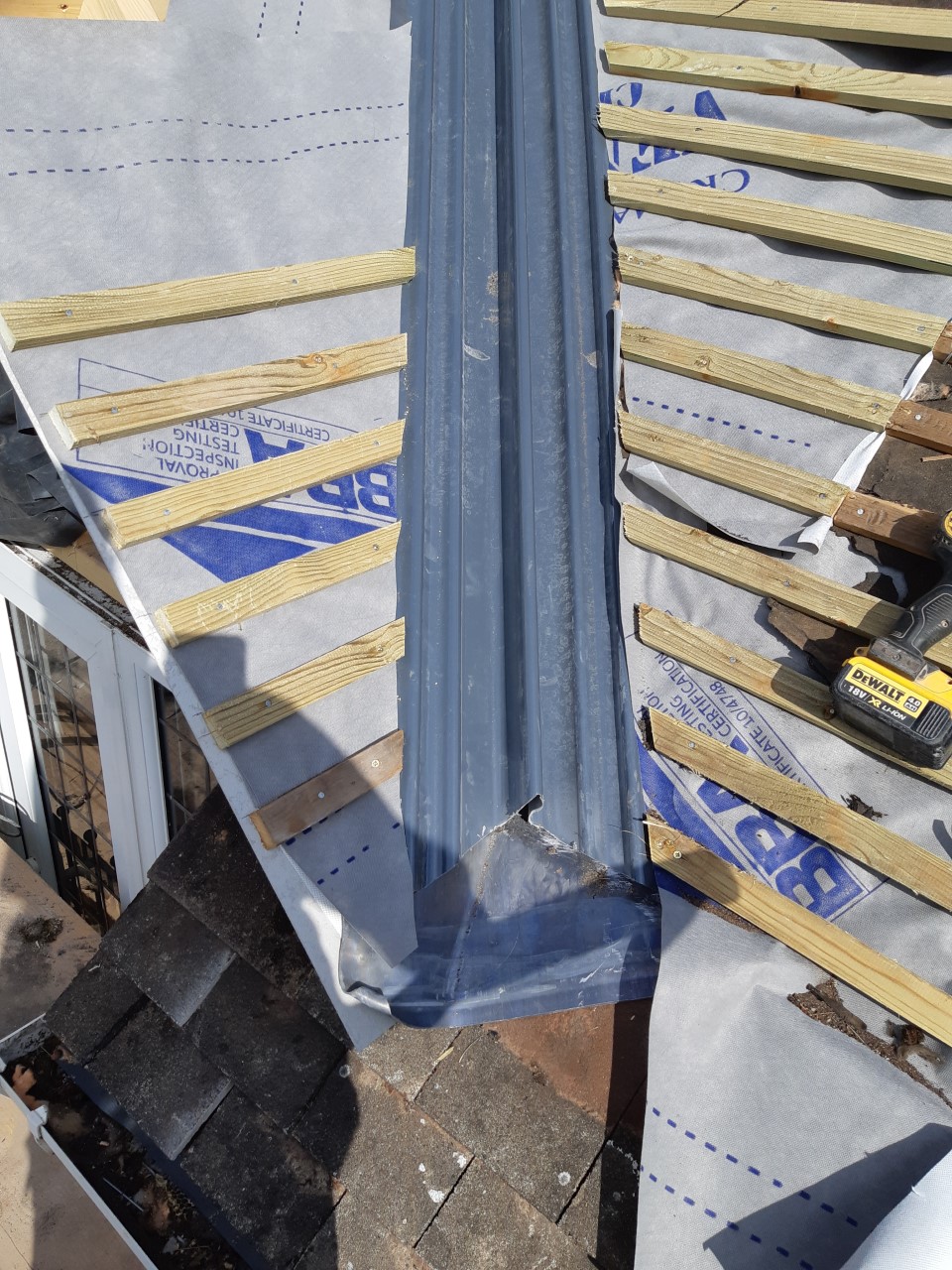
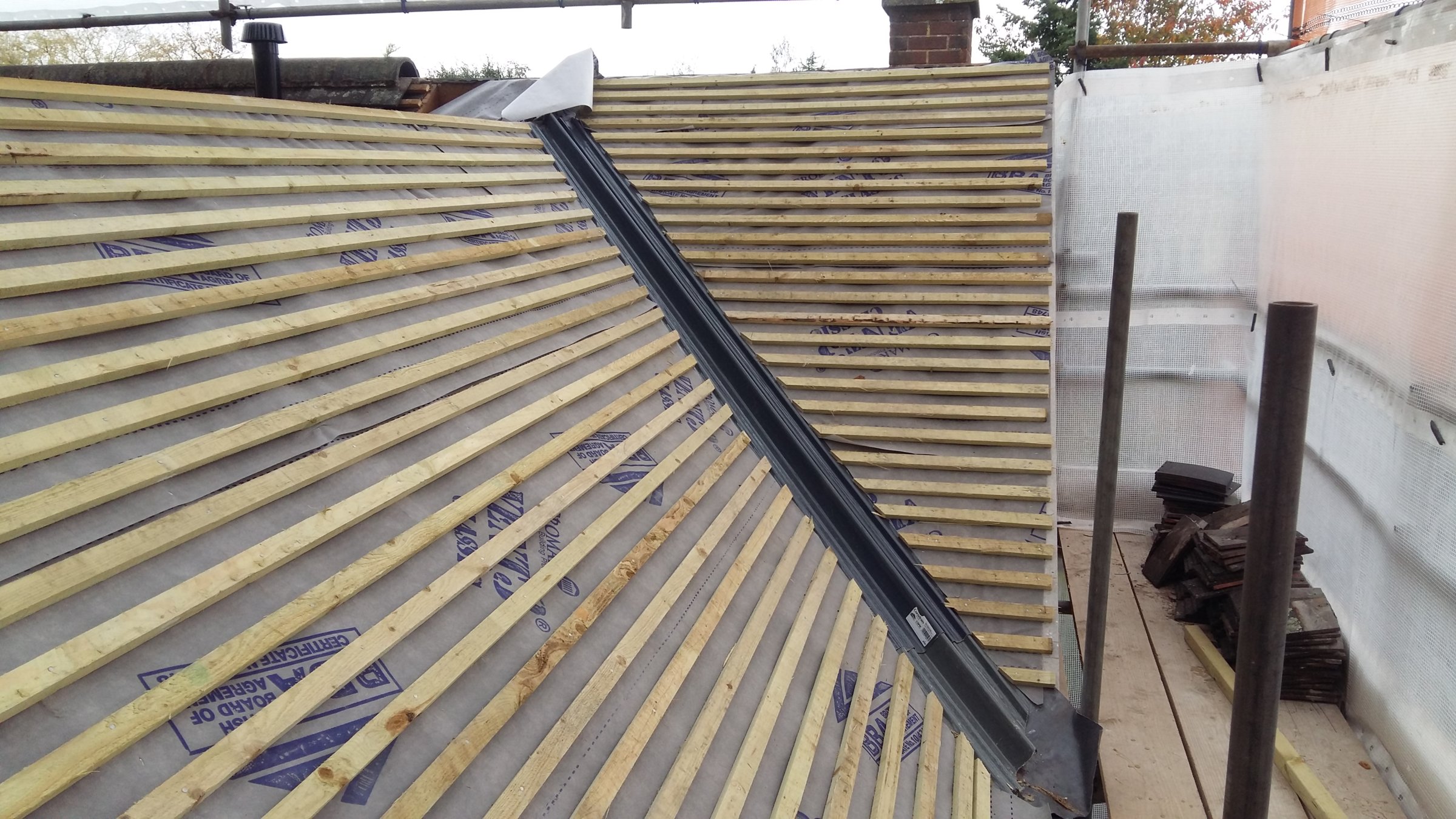
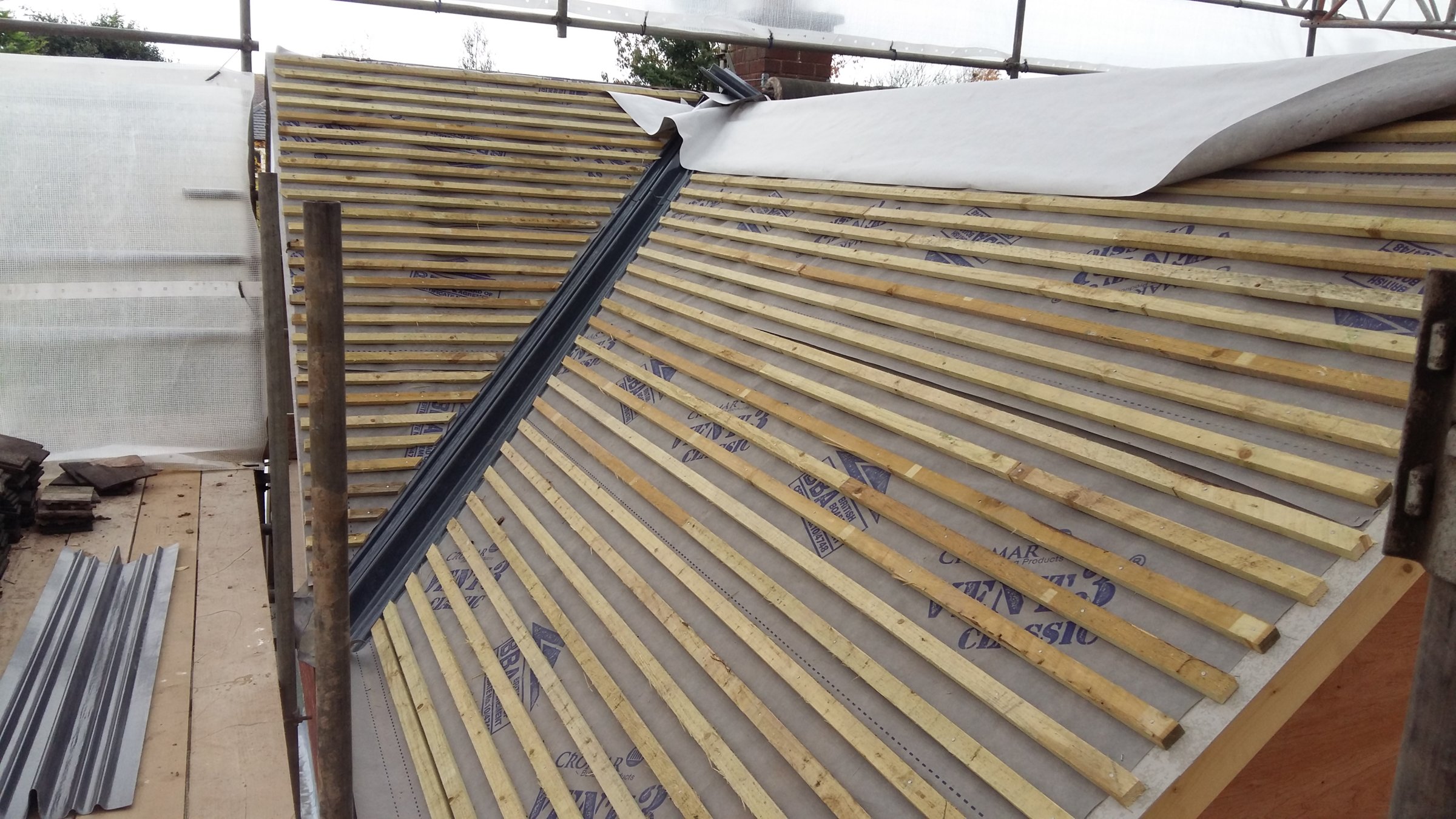
Where the roofs of my existing house and extension meet at the GRP valley tray, the tiles on the existing roof seem to kick up a bit at the end so you can see a slight wavey effect when you view it from further back. Not nice and straight.

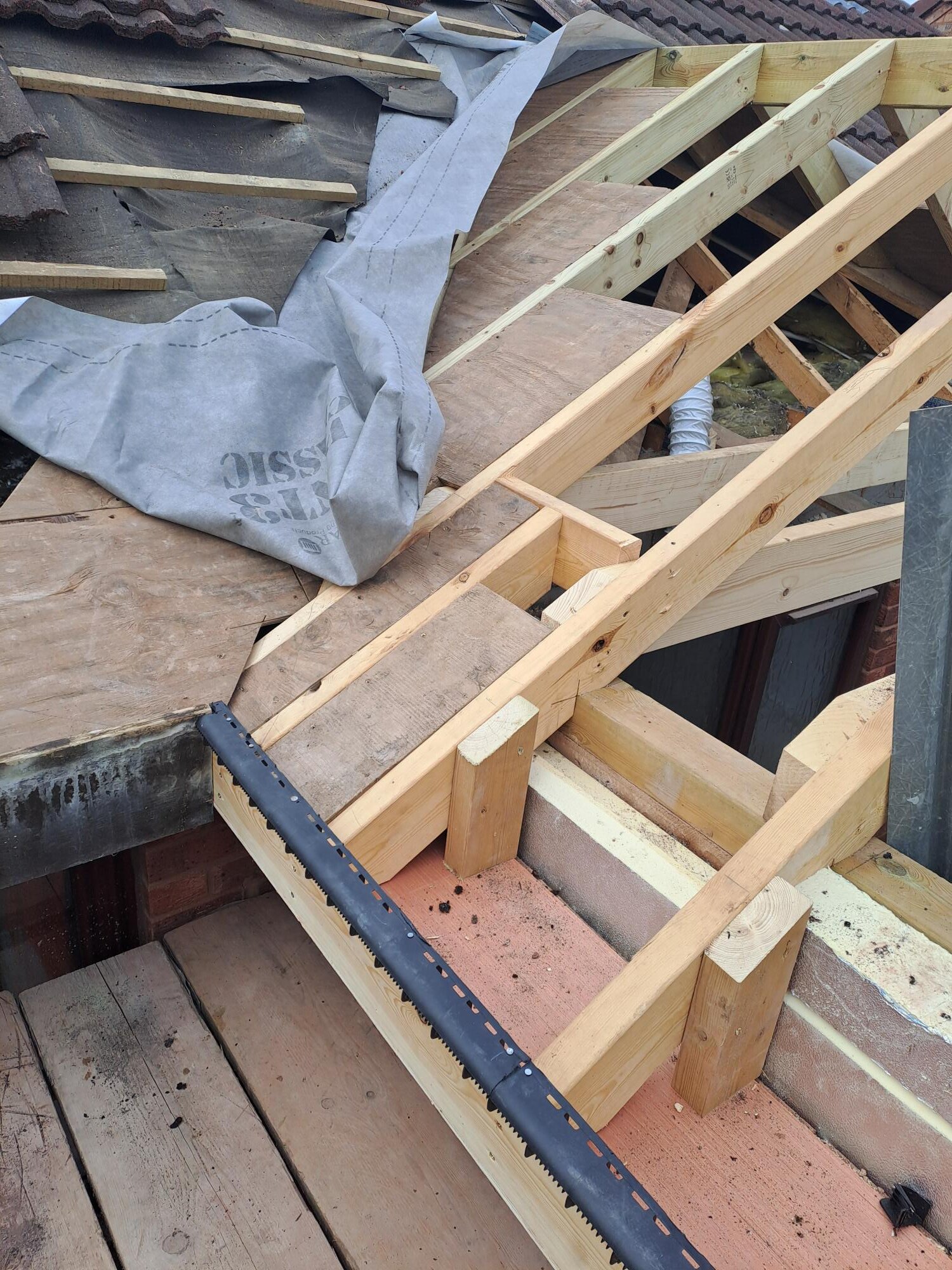
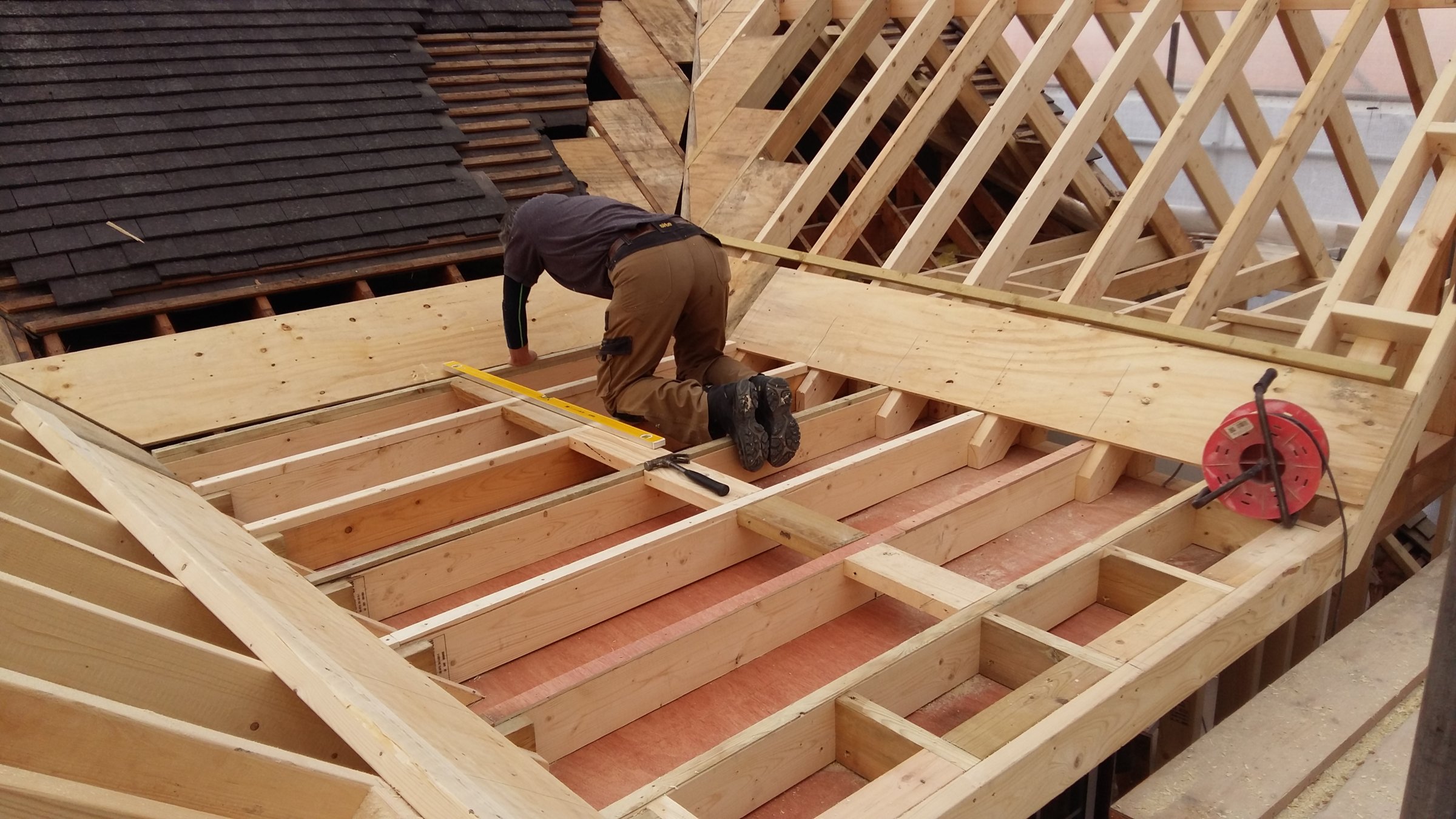
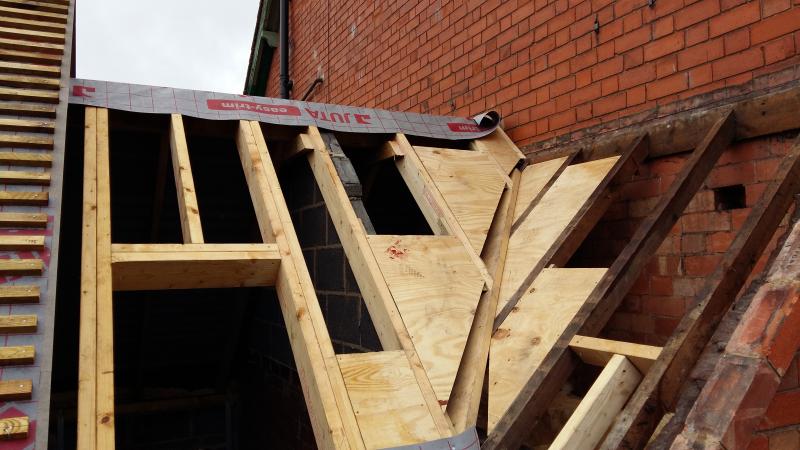
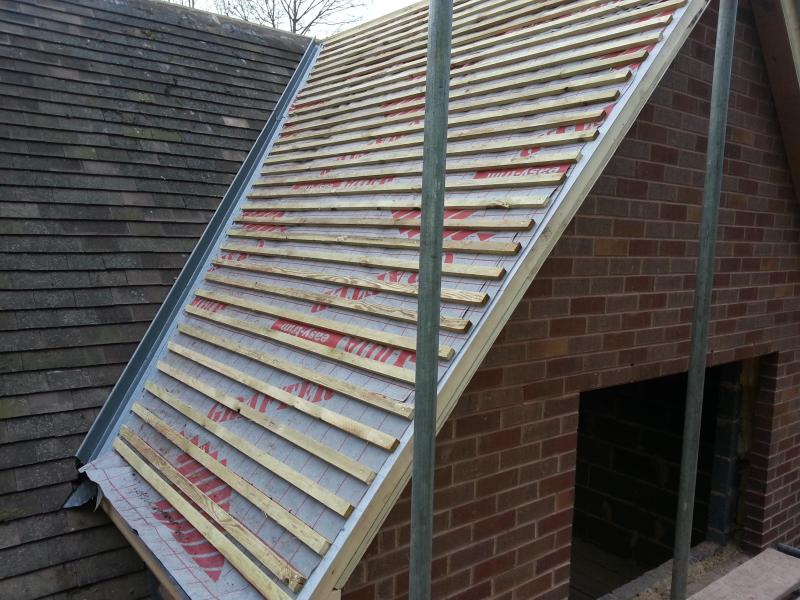
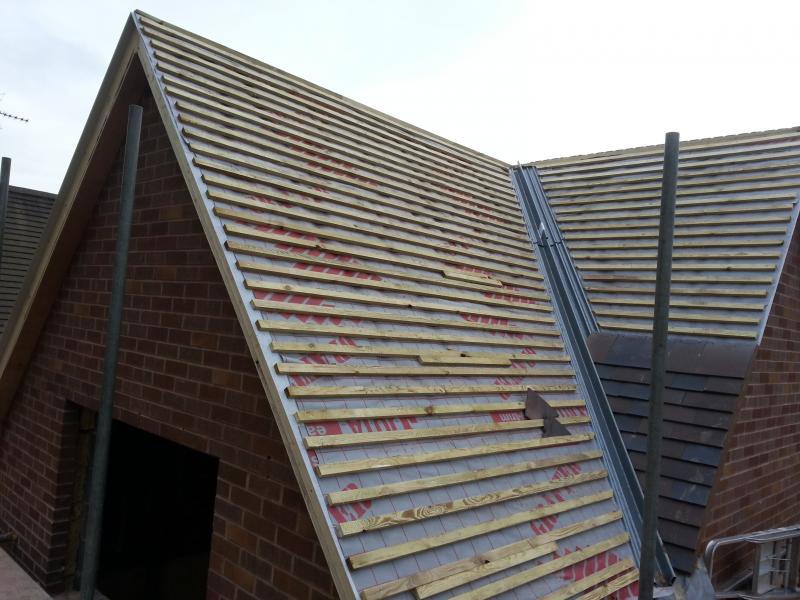
This seems to boil down to the rafters on the existing house being less thick than those supplied with the truss roof of the extension. Therefore, the roof battens of the extension sit a little higher and so do the tiles. These tiles then do not need to ride up over the ribs on the side of the GRP valley. The tiles on the existing house though, being a bit lower (maybe 10mm) have to ride up over these big ribs causing the slope effect.

The only solutions I can think of are:

- Just leave as is, although it is a bit grating to look at. I've attached photo but not as obvious as in reality.

- Replace the GRP valley tray with one that doesn't have high side ribs. Do these exist?

- Use packers under the battens on the existing roof further along from the valley and try to achieve a more gradual build up so the end tiles at the valley tray do not obviously kick up.

Thoughts?

I suppose we could use less thick ply under the tray to drop it down a bit and make its ribs lower but this could then be a problem for the extension tiles where they meet it? Unless we make it lower only on the existing house side. The ply os about 17mm thick.
 
Last edited:
Hello,

Where the roofs of my existing house and extension meet at the GRP valley tray, the tiles on the existing roof seem to kick up a bit at the end so you can see a slight wavey effect when you view it from further back. Not nice and straight.

This seems to boil down to the rafters on the existing house being less thick than those supplied with the truss roof of the extension. Therefore, the roof battens of the extension sit a little higher and so do the tiles. These tiles then do not need to ride up over the ribs on the side of the GRP valley. The tiles on the existing house though, being a bit lower (maybe 10mm) have to ride up over these big ribs causing the slope effect.

The only solutions I can think of are:

- Just leave as is, although it is a bit grating to look at. I've attached photo but not as obvious as in reality.

- Replace the GRP valley tray with one that doesn't have high side ribs. Do these exist?

- Use packers under the battens on the existing roof further along from the valley and try to achieve a more gradual build up so the end tiles at the valley tray do not obviously kick up.

Thoughts?

I suppose we could use less thick ply under the tray to drop it down a bit and make its ribs lower but this could then be a problem for the extension tiles where they meet it? Unless we make it lower only on the existing house side. The ply os about 17mm thick.
The way the finished job will look is down to he/she who drew up the plans and specifications. If that was my house, I would have insisted that the roof on the extension matched the roof of the existing dwelling in all details. To achieve that, roof timbers would be a match to the existing (not off the shelf trusses) and of course a lead valley would produce exactly what you were expecting.
 
Maybe, although a lead valley in this case would be higher on one side than the other and I don't want to be getting pointing done in future. And funnily enough, I can't do a great deal with your advice now short of ripping the lot off and starting again, so if anybody has any thoughts on how to make this small issue look better that would be great.

Thanks
 
Hello,

Where the roofs of my existing house and extension meet at the GRP valley tray, the tiles on the existing roof seem to kick up a bit at the end so you can see a slight wavey effect when you view it from further back. Not nice and straight.

This seems to boil down to the rafters on the existing house being less thick than those supplied with the truss roof of the extension. Therefore, the roof battens of the extension sit a little higher and so do the tiles. These tiles then do not need to ride up over the ribs on the side of the GRP valley. The tiles on the existing house though, being a bit lower (maybe 10mm) have to ride up over these big ribs causing the slope effect.

The only solutions I can think of are:

- Just leave as is, although it is a bit grating to look at. I've attached photo but not as obvious as in reality.

- Replace the GRP valley tray with one that doesn't have high side ribs. Do these exist?

- Use packers under the battens on the existing roof further along from the valley and try to achieve a more gradual build up so the end tiles at the valley tray do not obviously kick up.

Thoughts?

I suppose we could use less thick ply under the tray to drop it down a bit and make its ribs lower but this could then be a problem for the extension tiles where they meet it? Unless we make it lower only on the existing house side. The ply os about 17mm thick.
The GRP valley should be flush with the rafter tops (yours isn't) and the footprint where it sits should have ply gusset supports beneath....


The GRP valley should be flush with the rafter tops (yours isn't) and the footprint where it sits should have ply gusset supports beneath....


What do you mean "flush"?

The valley tray has different ribbed parts.

Do you mean that the ribs at the sides of the valley tray should be flush with the rafter tops?

Can I have the height different on either side?
 
Last edited:
What do you mean "flush"?
Yours appear to be sitting at the same height as the tile batten tops. Whereas they should be 25mm lower and sitting level with the rafter tops. We lay our valley onto a length of membrane and the tile batten lips onto the GRP and buts up to the first raised profile.


Yours appear to be sitting at the same height as the tile batten tops. Whereas they should be 25mm lower and sitting level with the rafter tops. We lay our valley onto a length of membrane and the tile batten lips onto the GRP and buts up to the first raised profile.


Thanks for this.

So just to be clear: the valley has a central ridge which is the highest point. There are then two lower ridges either side of the central ridge. Are you saying that the tops of the tile battens should be flush with these lower side ridges? Such that the tiles would sit evenly and level on batten and valley ridges?

If so, what do we do if the extension rafters are higher than the existing roof ones? In other words, the tops of the battens are higher one side of the valley than the other? Is the valley sufficiently flexible that it can be higher on one side than the other (e.g. thicker ply under it on one side)?

Thanks
 

If you need to find a tradesperson to get your job done, please try our local search below, or if you are doing it yourself you can find suppliers local to you.

Select the supplier or trade you require, enter your location to begin your search.


Are you a trade or supplier? You can create your listing free at DIYnot Local

 
Back
Top