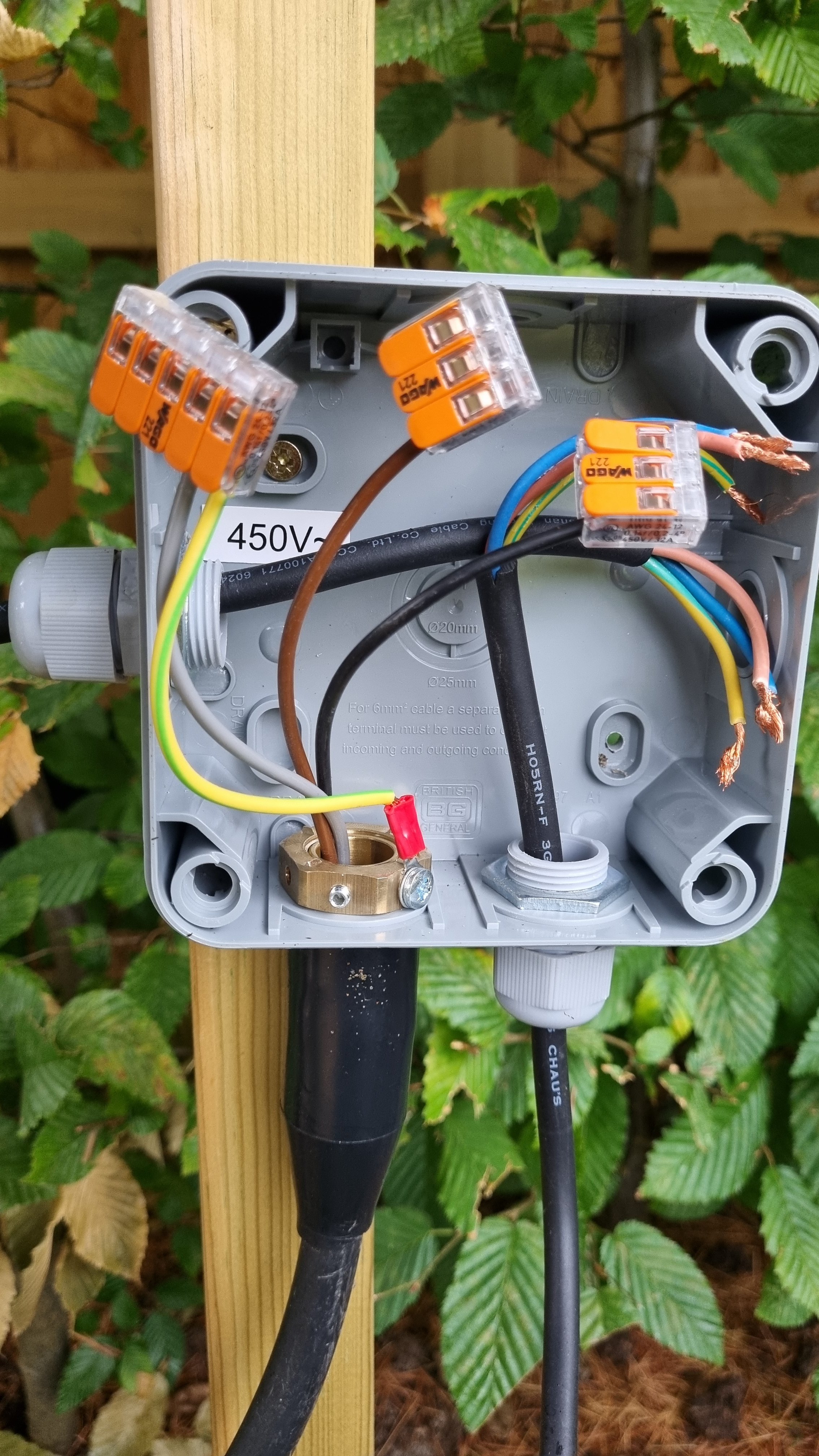
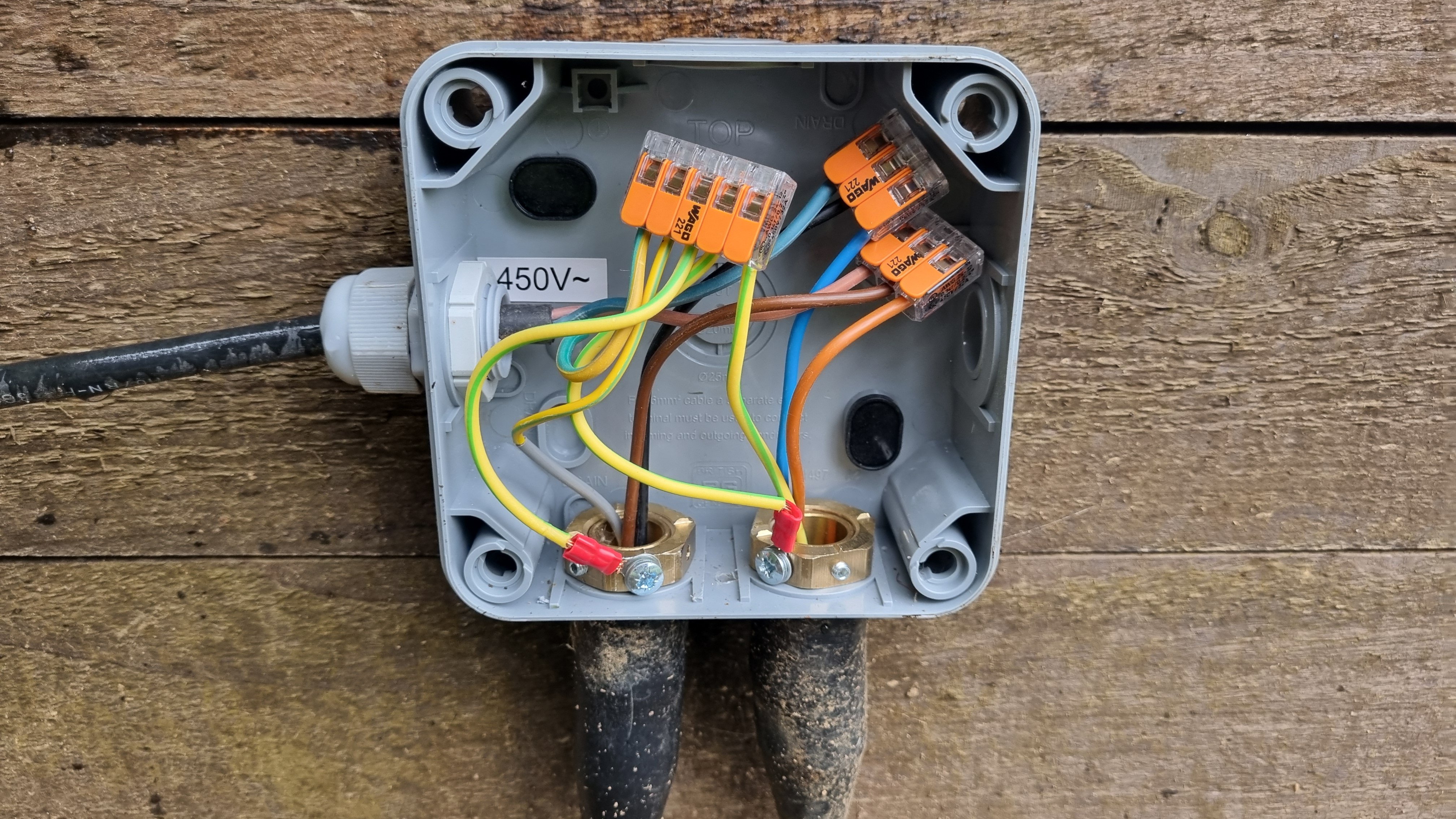
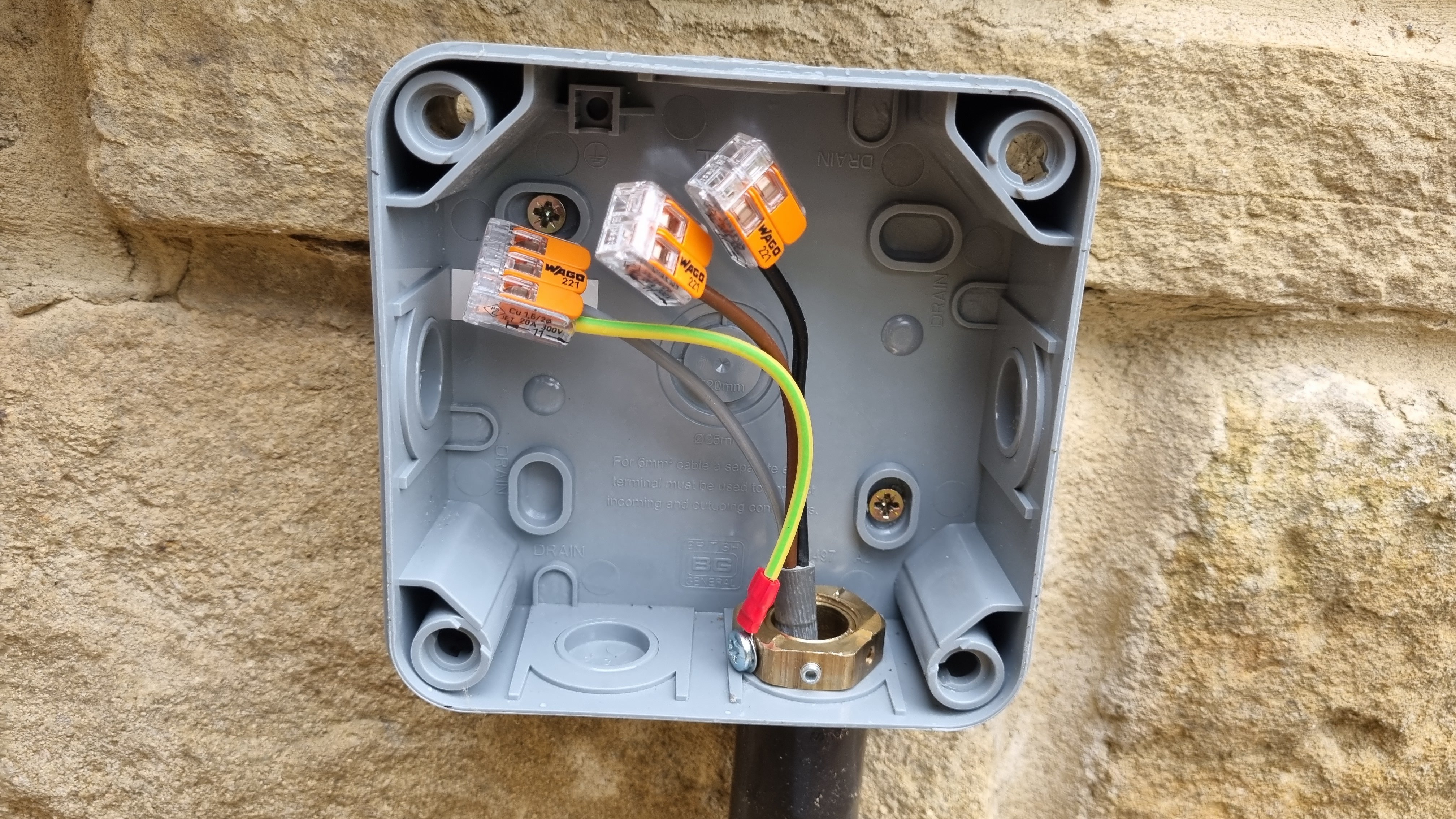
OK, I will start with a guess. My guess is the 2019 electrician got it working by not connecting an earth wire, which when you came to work on it, you have re-connected it as it should have been.
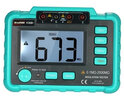
However, we have three tools, the insulation tester,
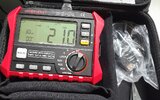
View attachment 420605the RCD tester,
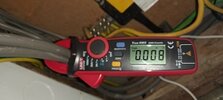
View attachment 420606 and the clamp-on ammeter,
View attachment 420607 while it is tripping the latter two do not help, the insulation tester is the main tool. The problem is none of them are perfect. The insulation tester uses DC, so it does not test for inductive or capacitive linking, but this is unlikely to be a problem, so the RCD or RCBO (the latter is a RCD and MCB combined) at 30 mA has three limits. 1) Must trip at 30 mA. 2) Must not trip at 15 mA. 3) should not have background leakage over 30% so 9 mA.
In real terms often they will hold until around 27 mA.
So ohms law and maths, 230 volts / 0.009 amps = 25KΩ, so the reading must be better than that, and we consider it should be better than 1MΩ so that's only 0.23 mA.
So google and this
View attachment 420609seems to be about the cheapest and is likely cheaper than hiring, as every time hired they need re-calabrating but your not really interested in super high accuracy.
So what you have to decide, is it worth learning how to use one, or is it simplier to get an electrician to do it all for you. The clamp-on is around £35 but you can do without it, and the RCD tester around £100, but again often we can get away without it.
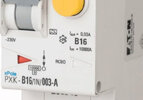
As to any other way, well some RCDs
View attachment 420614 do give a warning before they trip, and splitting the circuits over a number of RCBOs can also help, but you seem to have a fault, which still needs finding. And you have already tried the disconnect method of fault-finding.
To test, the neutral needs to be disconnected from the earth, and the supply connects neutral to earth, so it needs a double pole disconnection. So when in the house, always unplug rather than switch off, as that disconnects the neutral as well as the line (both line and neutral are called lives).
One of the hardest faults to find is the neutral to earth fault, as it often depends on the load, as to if it causes the trip, so a bit of wet toast in a toaster switched off but plugged in, can cause a trip when the kettle is switched on.
So step one is unplug all you can, seems unlikely I know, but the fault may not be in the garden, so anything supplied by that RCD, unplug if you can't unplug then OK switch off, as some switched are double pole.
Since moving into this house, I have had three times when the RCBO has tripped, one was a clear fault, the roof leaked into a socket, the other two, in spite of having the test equipment shown, they disappeared without my finding the fault, likely some interferance suppressor went faulty and the testing with 500 volt clearly the fault. Or I fried a spider or fly while testing, but I thought I had found the fault, but then the dish washer showed clear, and all plugged back in and no trips, and the clamp-on showed I was no where near the limit.
The tester does use 500 volt or 250 volt DC to test, if we think something may be damaged with 500 volt, or we have a surge protection device (SPD) fitted we use 250 volt, but normally we use 500 volt. So it is a case of keeping fingers clear, on the odd time I have been tested, when a forman sent two of us on the same fault and we were unaware of each other, on a locked off system I did get a belt, it was a good job the foreman could run faster than me.
But you need to be aware of what you are working with and what you are doing. And never work alone, if something does go wrong, you need someone to call emergency services.
It is easy for me to say DIY, I do know what I am doing, but that means it is hard for me to know how others would work with my test gear, I have worked with it all my life.