Cavity Closers with inner outer wall variations

Joined
26 Sep 2025
Messages
66
Reaction score
4
Country
United Kingdom
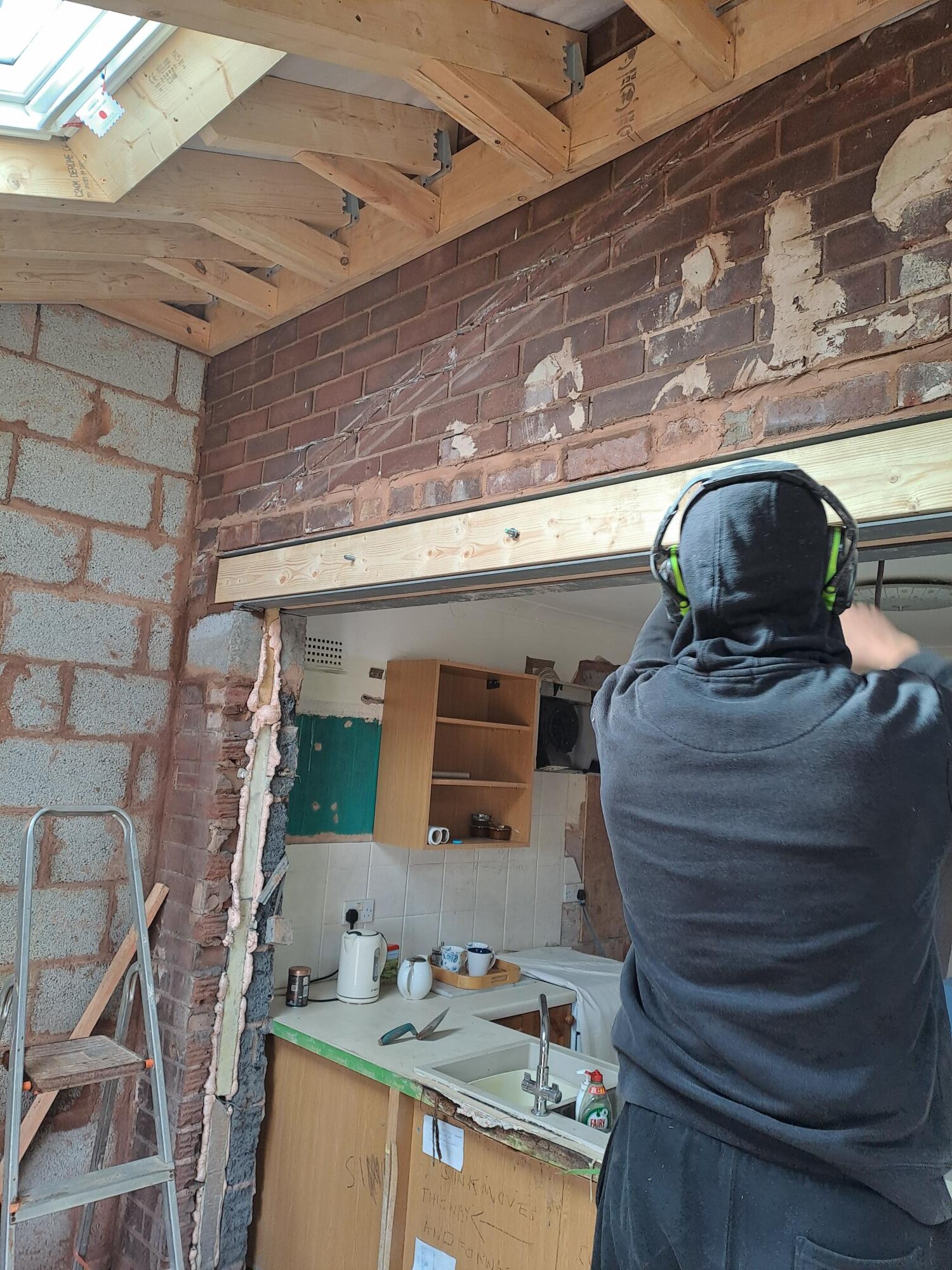
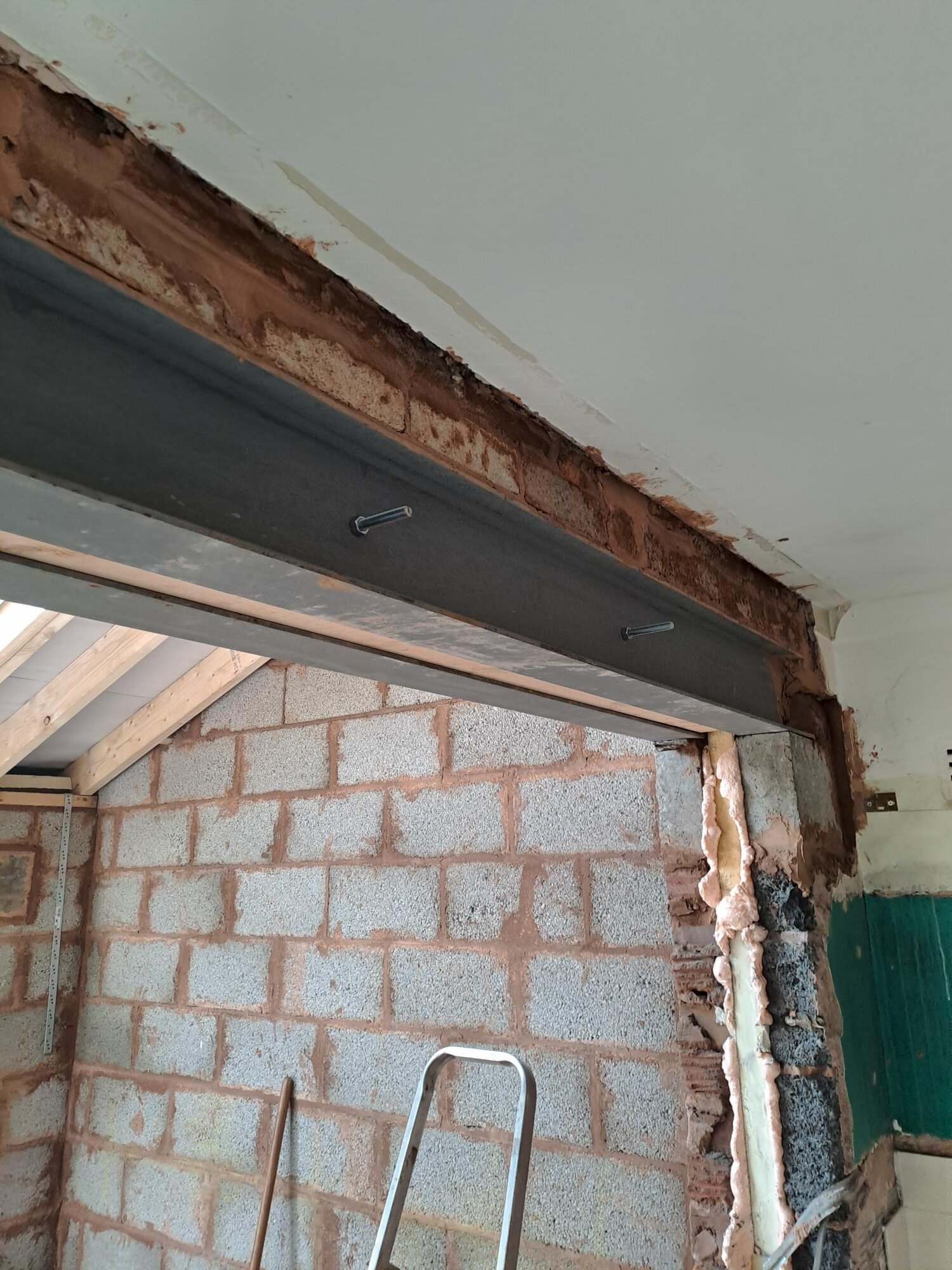
We have a bit of a mix of new window/ door openings and one external doorway where the new wall joins an old wall.

The the new build in some areas has a variation of 10-15mm between the brick and blockwork so the cavity closer would not sit completely flush. I'm not sure what the normal tolerance is but I'm trying to think ahead to plaster boarding/ plastering for a clean square finish on the reveals.

I was thinking of adding some expanding foam behind this to get the cavity close to fit level. Is there a better way?
(Or would this normally be fitted as is and the angle corrected with bonding/ dot and dab on the plasterboard?)

1769506775417.png
 
We have a bit of a mix of new window/ door openings and one external doorway where the new wall joins an old wall.

The the new build in some areas has a variation of 10-15mm between the brick and blockwork so the cavity closer would not sit completely flush. I'm not sure what the normal tolerance is but I'm trying to think ahead to plaster boarding/ plastering for a clean square finish on the reveals.

I was thinking of adding some expanding foam behind this to get the cavity close to fit level. Is there a better way?
(Or would this normally be fitted as is and the angle corrected with bonding/ dot and dab on the plasterboard?)

View attachment 405941
Dab a strip of plasterboard on first, prior to fitting the cav closer.
 
Dab a strip of plasterboard on first, prior to fitting the cav closer.
So add now before the closer is fitted rather than after? Or can it be done either way?

Also, what's an acceptable tolerance to not need doing this? As I may end up with the closer protruding more on the inner wall if I do this and it's not required. If you get what I mean?
 
Air leakage is the main thing to consider, so make sure however you do it, the cavity is properly sealed.
 
Air leakage is the main thing to consider, so make sure however you do it, the cavity is properly sealed.
I will be fixing it in place with general grab adhesive and clout nails on the inner walls.

Perhaps I'm needlessly concerned about making it completely level at this stage?
 
So add now before the closer is fitted rather than after? Or can it be done either way?

Also, what's an acceptable tolerance to not need doing this? As I may end up with the closer protruding more on the inner wall if I do this and it's not required. If you get what I mean?
Pre-closer. (y)
 
A bit confused by the different types of cavity closers available.

I am now wondering if the inner wall is deliberately set slightly back to fit a single flange cavity closer?

1770138781817.png
 
I am now wondering if the inner wall is deliberately set slightly back to fit a single flange cavity closer?
No. You would not deliberately reduce the lintel bearing just to accommodate a certaing type of cav closer.

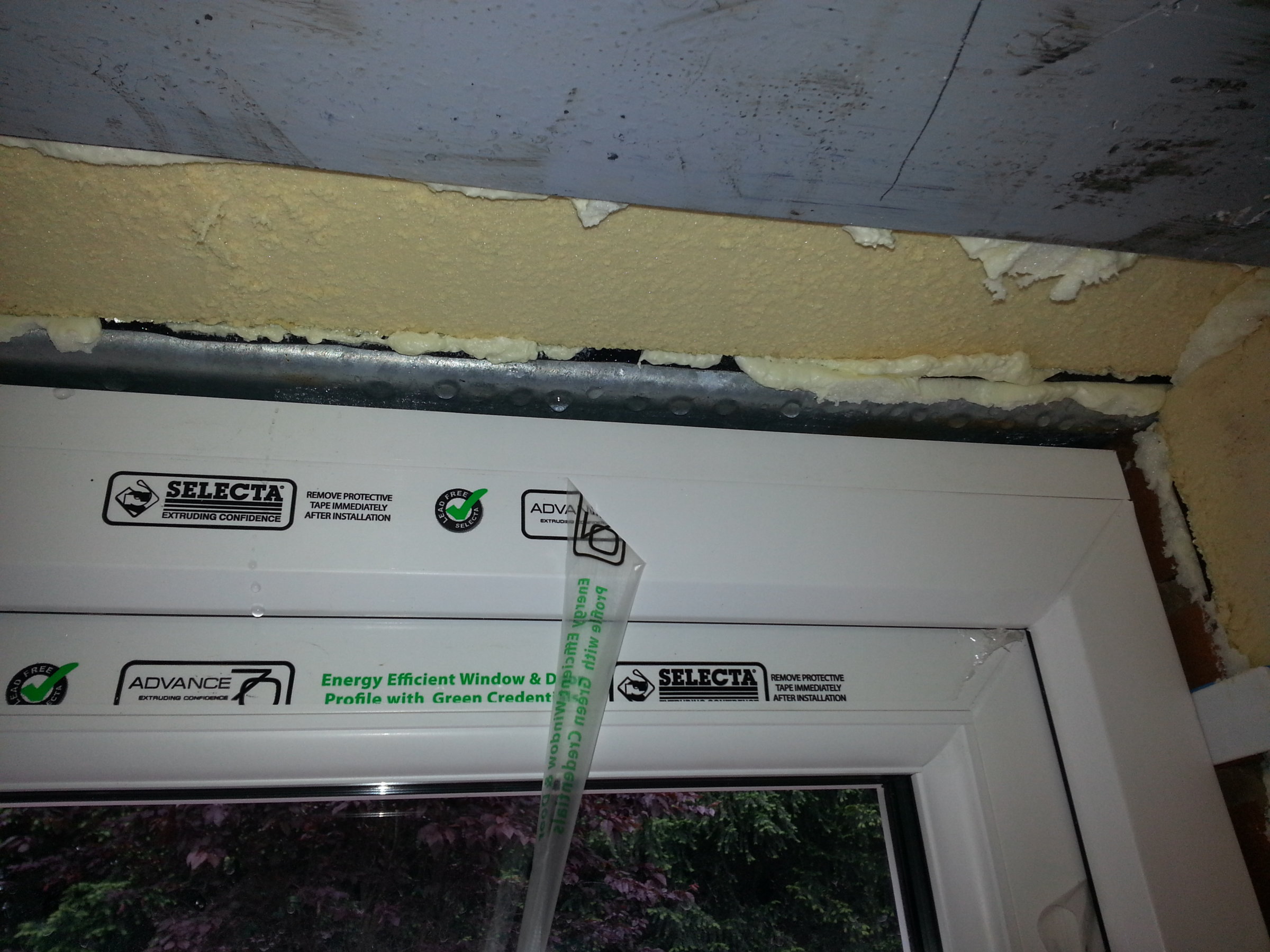
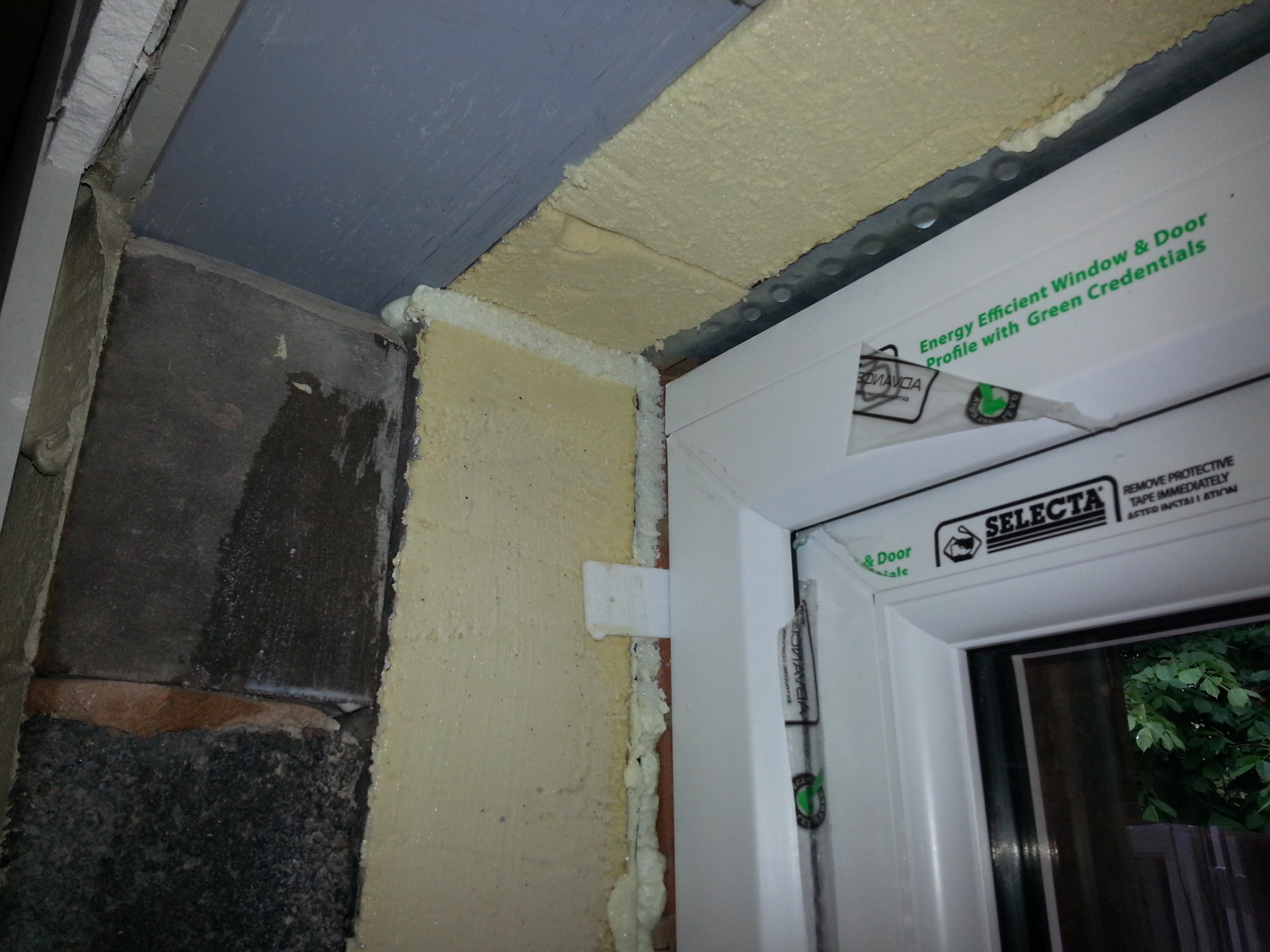
I make and fit my own with ex-foam because the proprietary ones are pants.


Fair enough.

When you say make your own with EX-foam, is it mostly a case of continuing the PIR to the end and filling the gaps? The D&D plasterboard on top?

No concerns with bridging or moisture?
 
Fair enough.

When you say make your own with EX-foam, is it mostly a case of continuing the PIR to the end and filling the gaps? The D&D plasterboard on top?

No concerns with bridging or moisture?
As long as you robustly fit the PIR cav' insulation to the rules - i.e. keep the tie wires 100mm - 150mm back in from the jamb and dun DPM up the wall against the back of the outside course.
 

If you need to find a tradesperson to get your job done, please try our local search below, or if you are doing it yourself you can find suppliers local to you.

Select the supplier or trade you require, enter your location to begin your search.


Are you a trade or supplier? You can create your listing free at DIYnot Local

 
Back
Top