
Search results
-
G
Wood Wetting or Drying?
Hmm, so if the tide mark has risen upwards against gravity, suspect water adding to the timber rather than movement with the timber? I do have a moisture meter, I will try it. How long could it take to dry out? 6x2. It could be that the drying wall is drying out and the timber is still sucking...- Guitar_man
- Post #3
- Forum: Building
-
G
Fireplace resto
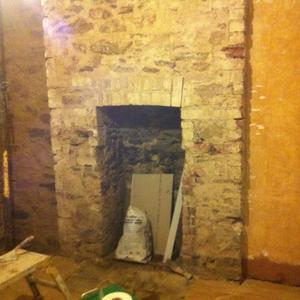
So if i want to seal or paint the stone work on this breast after i clean it up, how would i go about it? PVA sealer then masonary paint? Or should i be using some other products? Thanks all,- Guitar_man
- Post #4
- Forum: Building
-
G
Wood Wetting or Drying?
Ive drawn some lines on the tide marks of on some joists on a ceiling a few weeks back.. I had a leak which i think i have sealed, and im expecting things to be drying out. However i looked at the lines and now it has passed the lines i drew. Should the tide marks expand as the leak drys out...- Guitar_man
- Thread
- Replies: 2
- Forum: Building
-
G
Damp under suspended floor - and where's the airbrick?!
Looks like a water leak to me. I would open up the airbrick, it was clearly in the design, perhaps it was a friday and the brickie had been to the pub for lunch?- Guitar_man
- Post #4
- Forum: Building
-
G
mould growth on exterior walls, advice needed.
Sounds reasonable. Insulated plasterboard will reduce the cold wall temperature of the outside wall and reduce mould and condensation. Even one of the thinner ones will have a useful effect. Otherwise you can do as you suggest, stud out insulate and board. Keep a useful airgap between the wall...- Guitar_man
- Post #2
- Forum: Plastering and Rendering
-
G
Plaster or plasterboard?
Knock of all the coving, rails and skirting. Less time to paint, less money spent less work and ultra modern chic!- Guitar_man
- Post #7
- Forum: Plastering and Rendering
-
G
walls slightly damp...
Yes that will provide a slighty more resistant barrier to damp. Could you batten and board the area to prvoide a small airgap say 10mm between the wall and the board. Perhaps put a door on it shut it and forget about it, old houses and all that.- Guitar_man
- Post #8
- Forum: Plastering and Rendering
-
G
cracks in exterior render
You would be surprised how much water can be trapped behind and enter through cracks in render. The building acts as a sponge and sucks it in. You need to cut a 6 inch channel along the crack and rerender it. If the crack is bad apply a wire mesh before you apply the mix. Obviously knocking off...- Guitar_man
- Post #4
- Forum: Plastering and Rendering
-
G
Lime Mortar v Cement Mortar
Cement is used to speed up the drying process that's all. If you use NHL 3.5 and a class 28 pointing sand it will go off in 24hrs no problem. You can mix it in a standard mixer and point just like Cement. The slower set might be a problem building where you need to allow it so set as you build...- Guitar_man
- Post #9
- Forum: Building
-
G
Lime Mortar v Cement Mortar
Lime mortar is softer than cement mortar. It is designed to weaken before the brick or stone. This is probably why old buildings are still standing after hundreds of years, but the mortar is nackered. There is probably nothing wrong in rebuilding or strengthening small areas with cement...- Guitar_man
- Post #7
- Forum: Building
-
G
Fireplace resto
Yes, me neither. I was thinking about raking out the old mortar and repointing it and leaving it as a feature stone wall. And leaving the breast on show with the arch. Probably woułd need to clean up the black soots or seal it somehow. I've no intention of adding a hearth surround or mantel.- Guitar_man
- Post #3
- Forum: Building
-
G
how much would I be charged ?
I would of expected that whole lot could be boarded and prep and the screed done on day 1 and skimmed on day 2. Of course it depends on how hardworking your trades are. As others have said adding a mixer would add another 70 or so a day to the labour costs per day, but would mean that your spead...- Guitar_man
- Post #6
- Forum: Plastering and Rendering
-
G
Fireplace resto
I removed some old art deco ****e, and found this quite grand old stone firèplace. It would be a shame to cover it up, so how would you go about restoring it? Seems to be mud lime stone and brick. No immediate plans to use it but a wood burner could figure later. Thanks in advance,- Guitar_man
- Thread
- Replies: 8
- Forum: Building
-
Untitled
- Guitar_man
- Media item
- Comments: 1
- Album: Album 2
-
G
PB or PEX
Thanks, I did a little google, and came up with this, seems like PEX is better in high pressure installations. http://www.pexmall.com/difference-beetwen-pex-and-pb-pipe I spoke to a mate today who advised that the limiting lifespan of plastic is the Orings in the joins, over time they go...- Guitar_man
- Post #14
- Forum: Plumbing and Central Heating
-
G
PB or PEX
Seen a few ghastly looking green installs over time. Anyway let's not make this a copper versus plastic debate!- Guitar_man
- Post #7
- Forum: Plumbing and Central Heating
-
G
PB or PEX
On the contrary, plastic has many advantages. Doesn't rust, doesn't condense, flexible, less joins required, vastly shorter fitting time so lower labour cost, lower parts cost, similar lifespan, easier servicing to name but a few. I wouldn't call that a bodge at all.- Guitar_man
- Post #5
- Forum: Plumbing and Central Heating
-
G
Battening and Overboarding
Ideally you want to keep the air gar between your outside walls, the roof and the frame, with as few contact points as possible. Some fixings may be required. If the roof is insulated above, dont worry if it isnt, try and get something together, you can sit the ceiling frame on the top of the...- Guitar_man
- Post #4
- Forum: Plastering and Rendering
-
G
PB or PEX
Which one is best for central heating install and hot cold water piping, The difference seems to be 37.84-26.98 at toolstation for a 25m 15mm roll. Do you prefer one over the other and why? Thanks in Advance,- Guitar_man
- Thread
- Replies: 13
- Forum: Plumbing and Central Heating