• Looking for a smarter way to manage your heating this winter? We’ve been testing the new Aqara Radiator Thermostat W600 to see how quiet, accurate and easy it is to use around the home. Click here read our review.

1950s dilapidated property, water damage - advice needed (Safety/DIY)

Joined
25 Jun 2025
Messages
3
Reaction score
1
Country
United Kingdom
Hello!

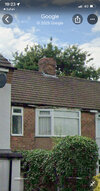
Can somebody please suggest if and where asbestos might be found in the property below:

It’s a 1950s build that’s been left vacant for nearly 20 years. Refurbishment to be done DIY over many weeks, with an original external contractor for remedial stuff in the upstairs area (I suppose if qualified trdesperson they will be aware of potential hazards? A survey is not available for the
Property; Hoping to avoid invasive survey but want safe practice.) Any suggestions/comments much appreciated! If you would do it yourself what would you be mindful of?


Thank you!
 
Maybe asbestos tiles in hall and kitchen? Couldn't see video clearly enough but looked like square tiles.
Might be some around fire place as there would be a boiler behind.
Gutter and soffit plus soil vent pipe could be asbestos.
Any garage or shed with asbestos roof?

Going to need roof work.
Some floor joists but would need to assess.
New windows required or just glass maybe.
Rewire
New heating
Bathroom and kitchen
I'd pull ceilings down and replace then easier to rewire and add heating.
Insulation under ground floor
Those houses tend to go for more money than they are worth if in a good location. Local builder or tradesman will fix up for renting or move on.
Good house though. All solid with modern cavity walls and damp proofing.

Hope you get it
 
Textured wall and ceiling coatings can often be tested and come back positive. The soffits were usually sheet asbestos cement up until the mid 70's when a big fuss was made about asbestos. Sometimes pipe lagging was fibrous asbestos as were linings of airing cupboards. Then be wary of any outbuildings with a corrugated roof that is not obviously metal. Sometimes garages were made from sheet asbestos, so be careful with anything you are not sure about. Bags for removed asbestos are commercially available, but check with your local authority for legal disposal sites.
 
Thank you!

The roof looks like this; no garage or outbuildings. The gutters are metal, black painted heavy looking.

You mean the floor tiles? Can they be removed diy with suitable protection do you think? I remember reading they were a low risk item
 

Attachments

  • IMG_7339.jpeg
    IMG_7339.jpeg
    288.2 KB · Views: 48
The roof does appear to be a proprietary concrete tile (the pattern is a well-known Redland one), so no problems there. Floor tiles could be asbestos based, so if concerned, dampen the area you are working on and wrap everything removed.
 
From the sounds of it you're not familiar with working with Asbestos. Best thing to do is go on a non licensed removal course. It's a couple of hundred pounds but well worth it. Re disposal, do not even think about putting it in a normal skip. Asbestos is the 2nd most regulated industry in the UK, first is Nuclear. Local tip may take some waste of they have a special skip but only if it's your private home. If this is a house flipping project and not your private home you will need to get a licensed waste contractor. Oh and if they fly tip it, you're liable for that so do your due diligence.

Largest risk for a domestic property is usually Asbestos Insulation Board as its friable. You would have to be unlucky to find sprayed lagging or even worse loose fill (usually from someone who worked in an asbestos factory and brought it home).

Before you ask is this asbestos, you won't get a reliable answer. The reality is you have to test it to confirm. To triage, look at where things were used - fire breaks, joist and lintel packing, cladding around drainage stacks, Artex/textured walls. Scally-Ho has given a decent list for you. Asbestos was used for it's fire resistant properties for example amongst many other things.

When you say survey, are you referring to an Asbestos survey or a Level 3 building survey? If the latter the home owner won't do it in England, it's the buyers responsibility.

I can't access the video but from my own experience, if you're doing a live in renovation do not underestimate how long things take. I'm doing my own house and I wish it was done in a couple of weeks...
 
Thanks for your reply and advice

This would be a private residence

Yes, meant Asbestos survey

For ppl able to access the video, wonder what you think about the panels at
min 2:13.

Ps: Yes, should have said months! Fortunately, no rush
 
Last edited:
Had a look at it all. It moved so quick at 2:13 so can't say what the panel at 2.13 is or isn't. Most of it will depend on what it was used for, just storage or a gas air central heating. If the latter could be asbestos panelled. The plastics (bakelite) and the gas hearth may contain it too. It's why it's best to get a set of samples and have it tested. Sampling and identifying areas to test are covered on non licensed removal courses which is one of the reasons I suggested going on one.

Asbestos was used a lot and if you go looking, you will find it somewhere in anything built before the 2000s. If it's in good condition, there is a lot to be said for leaving it alone.

Worth noting, if you're contracting any work out the site will be classed as a workplace under the Health and Safety at Work Act and the Control of Asbestos Regulations 2012.

Are you doing the work yourself? If so, hats off to you but you may wish to look at years rather than months for a renovation project! I'm a year and a half into mine and it wasn't anywhere near the condition of the place you've looked at!!
 
Note, If you do get something sampled it will not tell you the type of asbestos material, just what asbestos it contains (I.e amosite, chrysotile etc). If you want to know the material type (e.g Asbestos Cement or Asbestos Insulation Board) you need a water absorption test and about a post it sized sample.
 
Endecotp, to add context and clarification, it was to reassure the OP yes it may be somewhere but be sensible. Testing a panel one is going to drill through is one thing, testing say a damp proof membrane in the brickwork "just in case" is likely to be over the top.

In direct answer to what does the panel at 2:13 look like, no idea and if any doubt, get it tested. Kits are cheap enough online.
 

If you need to find a tradesperson to get your job done, please try our local search below, or if you are doing it yourself you can find suppliers local to you.

Select the supplier or trade you require, enter your location to begin your search.


Are you a trade or supplier? You can create your listing free at DIYnot Local

 
Back
Top