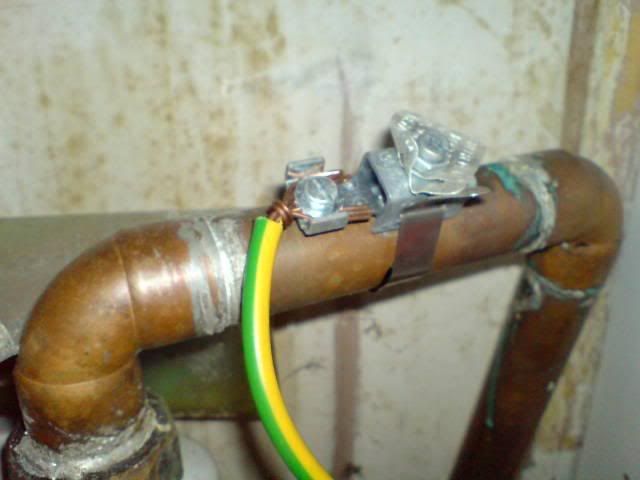
All of these photos are of things I found when I was replacing & rewiring the kitchen at Home
No. 1
This cable was feeding the old dishwasher in the old kitchen at home (It was done by the old owners of the house)
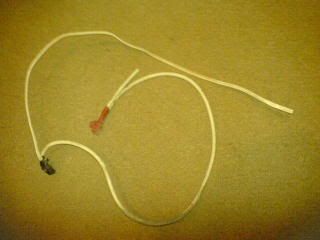
It is a piece of 1 or 1.5mm T+E, which had the plug connected to it, which was then connected to a piece of flex, then to the dishwasher flex, the connections were made by a terminal block wrapped in insulation tape. This connection was in the cupboard under the sink.
No.2
This connection was found plastered into the wall, when I was rewiring the kitchen. It was feeding the bathroom light. The connection was a terminal block wrapped up with selotape.


No. 3
This connection was above the ceiling of the kitchen & was feeding the two kitchen lights & the bathroom light. The 1st kitchen light had no earth wire going to it (the kitchen lights were metal lights), & the earths on the connection above the ceiling were twisted together, & covered with a piece of green/yellow sleeving

No. 4
Kitchen ring cables too short, so extended with terminal blocks & two pieces of T+E. The thing was that the consumer unit was only about 1m away from the first socket on the ring circuit.

The consumer unit was in the cupboard by the door

No. 5
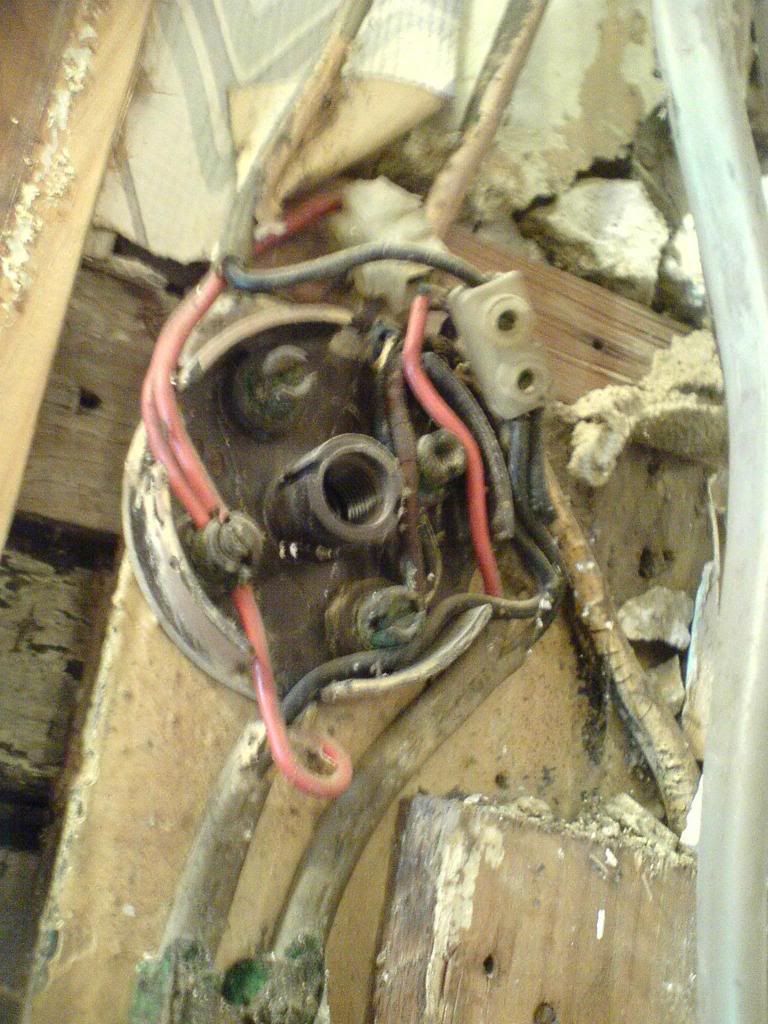
This JB was a disused one, left behied disconnected after a previsons rewire of the kitchen lighting circuit. The cables were VIR, & were: a feed to the JB, a SR, a feed off to another jb, & the feed to the kitchen light.
No. 1
This cable was feeding the old dishwasher in the old kitchen at home (It was done by the old owners of the house)
It is a piece of 1 or 1.5mm T+E, which had the plug connected to it, which was then connected to a piece of flex, then to the dishwasher flex, the connections were made by a terminal block wrapped in insulation tape. This connection was in the cupboard under the sink.
No.2
This connection was found plastered into the wall, when I was rewiring the kitchen. It was feeding the bathroom light. The connection was a terminal block wrapped up with selotape.
No. 3
This connection was above the ceiling of the kitchen & was feeding the two kitchen lights & the bathroom light. The 1st kitchen light had no earth wire going to it (the kitchen lights were metal lights), & the earths on the connection above the ceiling were twisted together, & covered with a piece of green/yellow sleeving
No. 4
Kitchen ring cables too short, so extended with terminal blocks & two pieces of T+E. The thing was that the consumer unit was only about 1m away from the first socket on the ring circuit.
The consumer unit was in the cupboard by the door
No. 5
This JB was a disused one, left behied disconnected after a previsons rewire of the kitchen lighting circuit. The cables were VIR, & were: a feed to the JB, a SR, a feed off to another jb, & the feed to the kitchen light.