bath frame without using wooden battens

Joined
2 Jun 2023
Messages
85
Reaction score
10
Country
United Kingdom
Hi there

Does anybody have experience of supporting a bath but without using a wooden frame? Any recommendations? My tenants' bath has a wood frame and it seems to have got mouldy and unstable [see messages below], so I wondered if there is something better than replacing with new wooden battens which will just get mouldy again

For panels I have seen https://www.screwfix.com/p/rawlplug-bath-end-panel-frame-kit-700-800mm/6630X?tc=PT1 and https://www.screwfix.com/p/rawlplug-bath-front-panel-frame-kit-1400-1800mm/7248x or these https://www.victorianplumbing.co.uk...7424295310&utm_content=All Accessories [HIGH]

if these hold the panels in place, is something like this then ok for the bath itself? https://www.diy.com/departments/adj....prd?msockid=3229d7cea09a63e81c96c0d7a12d62b3

I also wondered whether worth tiling under the bath [at moment there is wood which tenants tell me in the past has been soaked with mould - tho I'm not sure if that is ply or a wooden floorboard sub floor. However next to the bath the floor is tiled so I'm hoping it's ply on top of the floorboards

thanks for advice from the experts..

best

---
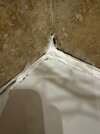
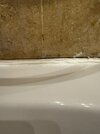
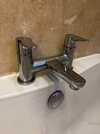
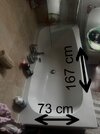
Hi, just wanted to follow up about the mould underneath the bath that we mentioned before. It’s not urgent, but I think it does need to be sorted fairly soon. Since the weather has been warmer, the mould/damp smell coming from underneath the bath has become really strong, and we’re a bit concerned that it’s not healthy to be breathing in.
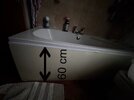
As we mentioned before, the old wooden parts underneath are covered in mould, and the bath also seems to sink/move slightly when we get in. This pulls on the sealant and allows water to get behind it, so the mould keeps coming back and spreading in areas we can’t reach to clean.
 

Attachments

  • IMG-20260802-WA0008 (1).jpg
    IMG-20260802-WA0008 (1).jpg
    184.8 KB · Views: 42
  • IMG-20260802-WA0010.jpg
    IMG-20260802-WA0010.jpg
    230.4 KB · Views: 42
  • IMG-20260802-WA0013.jpg
    IMG-20260802-WA0013.jpg
    198.7 KB · Views: 41
  • IMG-20260802-WA0014 (1).jpg
    IMG-20260802-WA0014 (1).jpg
    214 KB · Views: 38
  • IMG-20260802-WA0009 (1).jpg
    IMG-20260802-WA0009 (1).jpg
    129.6 KB · Views: 38
You need to sort the damp. The moisture will affect the floor boards and everything else.
You could.

Remake the same support but use treated wood?
You can buy plastic based “timber” that you could make the frame out.
 
You need to sort the damp. The moisture will affect the floor boards and everything else.
You could.

Remake the same support but use treated wood?
You can buy plastic based “timber” that you could make the frame out.
thanks, yes i know once bath is taken out, will need to not only remove existing wood frame but check the floor and see if ok or if needs replacing. fingers crossed the damp has only been because water getting down through the sealant [due to bath moving] and not anything else but once bath removed it'll be possible to look at the pipework for the taps etc, might also be the bath trap/seals
 
Rip it all out and get a good quality bath either steel or reinforced acrylic
thanks if the bath itself is in good condition I was hoping not to need a new bath. Anyway my question is more about whether wooden frames for bath or panels are needed or if something else works - it's a bathroom, it's bound to be moist, wood doesnt seem like the best material to use...
 
Was the bath fitted after the tiles? That's quite a big silicone gap. Maybe the bath has dropped? Get some timber battens under the bath feet if possible. The mould is likley from leakage from that poor silicone seal job.
 
Was the bath fitted after the tiles? That's quite a big silicone gap. Maybe the bath has dropped? Get some timber battens under the bath feet if possible. The mould is likley from leakage from that poor silicone seal job.
Well the tenants are reporting the bath moving a bit and having to re-seal so yes they seem to think the silicone seal is an issue
 
Timber is fine to be honest, there shouldn't be any moisture at all behind the panel.
 
Timber is fine to be honest, there shouldn't be any moisture at all behind the panel.
Thanks and yet there is and it has become mouldy weaker and needs replacing. Except that it is cheaper I don't see any benefit to wood vs plastic/steel supports and it seems a small saving when compared with overall cost of bath installation.
 
the tenants are reporting the bath moving a bit and having to re-seal
Then the frame/batons haven't been installed properly. The whole point of batons along the wall edges and a frame/support at the open ends is to minimise the movement in the bath. If it is moving to the point that the seal is going then the woodwork isn't doing its job properly. If the batons/framing had been installed properly then the bath won't move significantly, therefore the the seal wouldn't be compromised, water won't get behind and down and that wouldn't be the cause of any damp.
Especially with an acrylic bath there will usually be a little 'flexing' when the bath is used, hence the reason for filling the bath as it gets sealed so any flex is already built into the seal.
it's a bathroom, it's bound to be moist, wood doesnt seem like the best material to use.
If the bathroom is properly ventilated and everything is installed and sealed properly then the only areas that should get wet are the areas designed to get wet, everywhere else should be relatively dry. Wood should also be fine to use. There are alternatives for the external unsupported ends/corners as you have linked to but those aren't the areas where the seal is being compromised.

It seems that the bath edges where the gaps are appearing at the wall boards, simply aren't supported properly, that's where it needs to be corrected. Unfortunately, only proper way to do that TBH is to take the bath out and refit the batons/supports properly
 
Then the frame/batons haven't been installed properly. The whole point of batons along the wall edges and a frame/support at the open ends is to minimise the movement in the bath. If it is moving to the point that the seal is going then the woodwork isn't doing its job properly. If the batons/framing had been installed properly then the bath won't move significantly, therefore the the seal wouldn't be compromised, water won't get behind and down and that wouldn't be the cause of any damp.
Especially with an acrylic bath there will usually be a little 'flexing' when the bath is used, hence the reason for filling the bath as it gets sealed so any flex is already built into the seal.

If the bathroom is properly ventilated and everything is installed and sealed properly then the only areas that should get wet are the areas designed to get wet, everywhere else should be relatively dry. Wood should also be fine to use. There are alternatives for the external unsupported ends/corners as you have linked to but those aren't the areas where the seal is being compromised.

It seems that the bath edges where the gaps are appearing at the wall boards, simply aren't supported properly, that's where it needs to be corrected. Unfortunately, only proper way to do that TBH is to take the bath out and refit the batons/supports properly
Yes am expecting the bath to need taking out and replacing existing supports as these clearly now failing. My original question was about using alternatives to wood. The bathroom is fairly small it does have a window but doubt the tenants use it and an extractor fan but those will only ever do so much. So it is always likely to be humid and I was looking into wood alternatives. Plastic wood suggested by another reply sounds like a good plan.
 
That's the problem, not the wood. What is the floor and walls below the bath made of?
Not entirely sure. Floor next to bath is tiled but tenants tell me under bath is wood and was previously "soaked in mould". It might be originally floorboards or hopefully is ply used to level the floor before tiling. Will know how bad damage to floor is when bath taken up
 
Plastic decking boards might work as a 'water resistant' batten. But the wet timber isn't your problem, it's a symptom of your real problem. No water should be able to get behind or under the bath.

Those bath feet are rarely adequate on a modern flimsy acrylic bath, I reused the ones from the previous bath so I now have 4 supports underneath, even with that there ish a tiny bit of movement.
 

If you need to find a tradesperson to get your job done, please try our local search below, or if you are doing it yourself you can find suppliers local to you.

Select the supplier or trade you require, enter your location to begin your search.


Are you a trade or supplier? You can create your listing free at DIYnot Local

 
Back
Top