
I think you don't actually have a clue about building components, so should not really be surprised when someone who does, and who deals with them day in and day out, describes things in the correct terminology that is used.Me thinks you are being rather pedantic.

You are using an out of date browser. It may not display this or other websites correctly.
You should upgrade or use an alternative browser.
You should upgrade or use an alternative browser.
Beyond repair.
- Thread starter Dave Thornley
- Start date
What did cross my mind is to do away with the 6 separate panes, and hence the central glazing bars. Instead install one full size pane and attach
fake glazing bars using white glazing tape.
Why?
If you are able to fabricate the lower rail and then the lower part of the right hand style, onced epoxied in place you only seem to have a tiny section of stanchion bar to deal with.
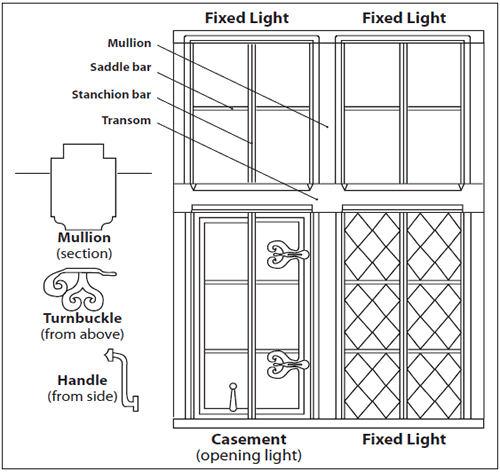
Assuming that it is only the tiny bit on the outside that is rotten, you can use the epoxy resin to splice in a tiny bit of timber.
My advice, once all the timber is finished, would be to use a MS polymer (eg Stixall) rather than putty where needed. You will need to use masking tape on the glass as it is a tad difficult to apply on such as wide/deep section because it is so sticky. You will be able to paint over it after a day or two but you will need to use a waterbased primer first. I often hit ms polymers with two coats of waterbased paint before overcoating with oil based paints. I am not a chemist- but oil based paints directly over ms polymers will stay tacky for months- even if the ms polymer has been in place for over a year.
If the lower internal part of the stanchion needs minor repairs, you can do that with 2 pack filler.
- Joined
- 28 Dec 2016
- Messages
- 127
- Reaction score
- 4
- Country

Nice to converse with an expert even if deluded as to your knowledge! Woody yes in the head.
- Joined
- 28 Dec 2016
- Messages
- 127
- Reaction score
- 4
- Country
Many thanks for a sensible input.Why?
If you are able to fabricate the lower rail and then the lower part of the right hand style, onced epoxied in place you only seem to have a tiny section of stanchion bar to deal with.
Assuming that it is only the tiny bit on the outside that is rotten, you can use the epoxy resin to splice in a tiny bit of timber.
My advice, once all the timber is finished, would be to use a MS polymer (eg Stixall) rather than putty where needed. You will need to use masking tape on the glass as it is a tad difficult to apply on such as wide/deep section because it is so sticky. You will be able to paint over it after a day or two but you will need to use a waterbased primer first. I often hit ms polymers with two coats of waterbased paint before overcoating with oil based paints. I am not a chemist- but oil based paints directly over ms polymers will stay tacky for months- even if the ms polymer has been in place for over a year.
If the lower internal part of the stanchion needs minor repairs, you can do that with 2 pack filler.
the property is listed.
What did cross my mind is to do away with the 6 separate panes, and hence the central glazing bars. Instead install one full size pane and attach
fake glazing bars using white glazing tape.
No, don’t do that. At least not without listed building consent.
In colloquial terms, a sash window is the type with vertical sliding sections - the sashes.Do sash windows have a hinge?
If those sashes are hinged instead, then the window is generally termed a casement window, but the bits that open are still sashes.
Tell me. I use the Ronseal woodfiller, always found good but as you sa the price has rocketed.
The two part Ronseal is a polyester resin filler (it is pretty much the same as car filler). As a decorator, I tend to buy the 3.5L tubs of Upol Easy 1 for about £25 (at Halfords) it works out at about 60% cheaper than the equivalent sized Ronseal version.
Polyester resin filler doesn't shrink... but, timber expands and shrinks. The epoxy resin fillers recommended by @Wayners and others will accommodate the slight expansion/contraction.
A downside of epoxy resin fillers is that they cost substantially more and are more difficult to sand. They are the correct product to use in your case (unless you are going to replace the whole of the bottom rail and right hand style and then mortice and tenon them).
- Joined
- 28 Dec 2016
- Messages
- 127
- Reaction score
- 4
- Country
Thinking of getting the Oxera epoxy resin. Had a good chat with the company seem to be on the same wavelength.

Some do. The word “sash” simply means the moving panel that holds the glass. Most people probably think of a sliding sash window when they hear the term sash. For that reason many manufacturers call the hinged variant "casement" windows.
The following explains the difference/sameness

Flush Casement vs Flush Sash Windows: The Difference
Confused by flush casement vs flush sash windows? They're identical. Learn why the terminology split & why this style now dominates period home renovations.www.timberlook.com
Every days a school day, eh?

Dry flex resin and some wood you could fix that.
Limit the amount of resin though as it's not cheap. There are other resin brands you can used but using as much wood as possible is the trick
I have used DryFlex in the past but found it to be far more expensive than both the TimbaBuild and Oxera versions. At the time, it was the only brand sold by my local Leyland SDM decorators' merchant. Initially, I purchased the "trade pack" for about £120. I was shocked at how flimsy the plastic (body) gun is. To be fair, I was working outdoors and the resin was thicker because it was so cold but, nevertheless, I could see the body of the flexing as I extruded the product (meaning, potentially, that it wasn't dosing the correct ratio).
The better quality DryFix gun is twice the cost of the TimbaBuild and Oxera versions.
That said, DryFlex have a wider range of resins. They have one which will cure in a reasonable of amount of time when it is "extremely cold" (eg zero degrees), they also have one which can be used in a regular skeleton gun (but that is really expensive by volume). On a winter job I had to wait 3 days before I could sand the 1 hour timbabuild resin- the correct DryFlex version would have been sandable the same or next day (according to their literature). Unfortunately my local supplier didn't sell that the cold weather variant.
Sorry, I am not dissing DryFlex products. I just don't understand their premium prices. I

DIYnot Local
Staff member
If you need to find a tradesperson to get your job done, please try our local search below, or if you are doing it yourself you can find suppliers local to you.
Select the supplier or trade you require, enter your location to begin your search.
Please select a service and enter a location to continue...
Are you a trade or supplier? You can create your listing free at DIYnot Local
Similar threads
- Replies
- 4
- Views
- 5K
D
- Replies
- 2
- Views
- 1K