Coving confusion

Joined
2 Feb 2024
Messages
105
Reaction score
3
Country
United Kingdom
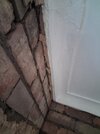
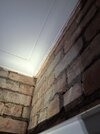
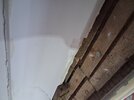
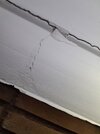
Hi. Im having my room boarded and skimmed and removed original plaster back to brick. Its a 1930s house and has original skirting and picture rail which ive managed to remove and hoping to re fix once plastering is done (im a bit of a stickler when it comes to trying to keep original features) so the coving is not on great shape and is a bit loose in places however I was thinking with a bit of work I could smarten it up with filler and get some adheasive up the back to secure it.so basically im wondering if its worth doing this or just rip it down and fix new.i wondered if any experts would know if its likely to be an original type coving. The profile is similar to the modern gyproc stuff but it seems to be a lot more solid and when I look up the back its not hollow but just has a straight back. Ive also read dodgy things about asbestos in adheasive so also a bit worried about messing with it and wouldn't really know where yo take a sample from to get it checked. Ive attached some pics to try and show how it looks and show the plaster behind it which is very loose. I think The white later is the skim finish as this extended down the full wall until I knocked it off
Any advice is very welcome
 

Attachments

  • 20260924_175313.jpg
    20260924_175313.jpg
    409.5 KB · Views: 16
  • 20260924_175336.jpg
    20260924_175336.jpg
    427.6 KB · Views: 14
  • 20260924_175351.jpg
    20260924_175351.jpg
    311.8 KB · Views: 14
  • 20260924_175405.jpg
    20260924_175405.jpg
    343.1 KB · Views: 15
Standard gyproc coving at DIY or trade centre.
Has no value and I would not attempt to keep it.
Pull down an chuck in skip.
Well on top of skip as made of gypsum plasterboard so needs to be separated from waste.
That's not period running cornice by looks of it.
Measure around face curve.
127mm or 120mm

Called 5 Inc cove

Oh no asbestos in it.
Some stuck with artex which could contain asbestos if fitted before 1990 to be a safe date.
Often find dates on back of coving.
I would pull down and look
 
Standard gyproc coving at DIY or trade centre.
Has no value and I would not attempt to keep it.
Pull down an chuck in skip.
Well on top of skip as made of gypsum plasterboard so needs to be separated from waste.
That's not period running cornice by looks of it.
Measure around face curve.
127mm or 120mm

Called 5 Inc cove

Oh no asbestos in it.
Some stuck with artex which could contain asbestos if fitted before 1990 to be a safe date.
Often find dates on back of coving.
I would pull down and look
Thanks for the reply. Could I just add that I have new gyproc in another room but the coving in this question is totally different and not like the paper coated plasterboard stuff.its more like solid hard plaster of Paris. There are a few chunks that have brocken off and these appear to be the same and not like the crumbly texture if plaster board also i cannot see that there is any fabric reinforcing mesh on any parts
 
I don't think its running coving..
Cut a slot in to find out.

That's how you make a template for running coving. Cut a slot. Push in card and mark profile.
Make a running template blade to run a repair.
Looks like I can see a angled cut joint that cracked so maybe a plain cornice bought in lengths and stuck?
Don't see plain coving like that and I can say I've ever seen it. Only gyproc type.
Very basic.
Up to you if you want to keep it and repair.
Could get something nicer if you wanted for places like

If you want to keep make template.
Cut out damage.
Run in repair.

Re asbestos.
Send away sample but I doubt it has any.
Only seen in fireplace mouldings, but do whats best for you to be sure
 
Last edited:

If you need to find a tradesperson to get your job done, please try our local search below, or if you are doing it yourself you can find suppliers local to you.

Select the supplier or trade you require, enter your location to begin your search.


Are you a trade or supplier? You can create your listing free at DIYnot Local

 
Back
Top