
- Joined
- 11 Nov 2024
- Messages
- 31
- Reaction score
- 4
- Country

Hopefully someone can offer advice on the next course of action?
I have been laying some blocks for a retaining wall in the garden. First few sessions have gone well, however having a poke at the last run I did I am concerned the mortar is far to crumbly. Admittedly due to time constraints I have had to lay these blocks in the hot weather. I have been wetting the blocks as I lay them but appreciate in high heat and full sun there is a chance the mix dried before it cured. Did cover themn over but with the heat / sun its been ineffective.
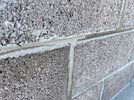
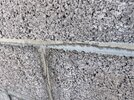
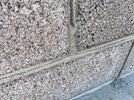
Images attached. I have easily raked this out with a bucket trowel. Other sections of the wall that were laid in similar heat (but with more shade) have firm mortar joints. Having properly investigated a few joints the middle of the joint is a lot firmer - clearly that had time to cure before it dried.
Video here
 drive.google.com
Options.
1. Should I redo the last 12 blocks with the bad mortar, combination of raking the joints and a hammer and bolster. Annoying but at least I know its sound.
2. Its fine, leave it at it is, rake out the loose stuff to firm mortar and remortar the joints. Next time dont work in such high heat / sunshine.
- Some background
Whilst this is a retaining wall its not actually retaining anything as such, behind it is solid stone with 10 inches of soil. The wall is 800mm high.
The wall will be rendered once finished if that makes any difference.
Thanks in advance for the advice
I have been laying some blocks for a retaining wall in the garden. First few sessions have gone well, however having a poke at the last run I did I am concerned the mortar is far to crumbly. Admittedly due to time constraints I have had to lay these blocks in the hot weather. I have been wetting the blocks as I lay them but appreciate in high heat and full sun there is a chance the mix dried before it cured. Did cover themn over but with the heat / sun its been ineffective.
Images attached. I have easily raked this out with a bucket trowel. Other sections of the wall that were laid in similar heat (but with more shade) have firm mortar joints. Having properly investigated a few joints the middle of the joint is a lot firmer - clearly that had time to cure before it dried.
Video here
IMG_2991.MOV
drive.google.com
Options.
1. Should I redo the last 12 blocks with the bad mortar, combination of raking the joints and a hammer and bolster. Annoying but at least I know its sound.
2. Its fine, leave it at it is, rake out the loose stuff to firm mortar and remortar the joints. Next time dont work in such high heat / sunshine.
- Some background
Whilst this is a retaining wall its not actually retaining anything as such, behind it is solid stone with 10 inches of soil. The wall is 800mm high.
The wall will be rendered once finished if that makes any difference.
Thanks in advance for the advice
Attachments
Last edited:


