foundations yes or no?

Joined
13 Jan 2025
Messages
114
Reaction score
7
Country
United Kingdom
hello everyone.

My house is 1920 built and i was wondering if it had any foundations? I want to extend from the sides during the rennovation but i want to know the workings behind the foundations. Could someone educate me.

If a house has no foundations how do you check? and what exactly does it mean so will the house be directly sitting on the ground? Under the floorboard i can see brick footings in the middle of the suspended floor thank you.
 
If your house is still standing it makes no difference. When you start your extension Building Control will assess the ground. Generally you would dig down against the wall of the house, the starting point seems to be a metre these days - but my 1920's house was on very good ground and the foundation went down about 500mm and BC just said match it - so if you hit rock after 400mm call them in.

The dwarf walls built in the middle of your rooms may have been built off the oversite so won't necessarily be the same as the main walls.
 
If a house has no foundations how do you check?
Dig a test hole along side the wall, until you find either concrete, corbelled masonry or earth. You would need to dig down along side the concrete etc to establish thickness, depth and ground conditions.
and what exactly does it mean so will the house be directly sitting on the ground?
It means it's old and pre-dates concrete footings. It also means you need to be careful when digging along side. It also means any new structural elements can't bear onto the old walls, unless they are improved or under-pinned etc.
Under the floorboard i can see brick footings in the middle of the suspended floor thank you.
(y)
 
Under the floorboard i can see brick footings in the middle of the suspended floor thank you.
That's there to prevent the joists from sagging.

1930's house should have a foundation. You should get it verified first before doing anything.
 
My house is 1920 built and i was wondering if it had any foundations? I want to extend from the sides during the rennovation but i want to know the workings behind the foundations. Could someone educate me.

If a house has no foundations how do you check? and what exactly does it mean so will the house be directly sitting on the ground? Under the floorboard i can see brick footings in the middle of the suspended floor thank you.
You can side-step Building Control, if you bring on board a decent S.E. (structural Engineer). He could assess ground conditions and foundations for you. It would be wise to get it designed first so that the SE can focus their visit on the elements that are relevant to your new extension. Your designer may have their preferred SE.

Or you can simply wait until it is time to do the actual build and assess things on the fly, and muddle through with building control and the architect.
 
You can side-step Building Control, if you bring on board a decent S.E. (structural Engineer). He could assess ground conditions and foundations for you. It would be wise to get it designed first so that the SE can focus their visit on the elements that are relevant to your new extension. Your designer may have their preferred SE.

Or you can simply wait until it is time to do the actual build and assess things on the fly, and muddle through with building control and the architect.
Thanks a lot noseall one question the. chimney in my house how deep do the foundations go for that? or does it have no foundation too? I just want to educate myself as as new homeowner thank u
 
Same as the house.
thank you you seem the most wise in this field

and one question i have for a long time is that why are most air brick on the outside of the house they look very high so if they vent underfloor how are the bricks so high as compared to inside looks like the floor is lower than the air brick this is solid wall too with suspension floor
 
and one question i have for a long time is that why are most air brick on the outside of the house they look very high so if they vent underfloor how are the bricks so high as compared to inside looks like the floor is lower than the air brick this is solid wall too with suspension floor
Ducting?

Most vents we fit today are telescopic and have to be extended down to the floor void as the vents sit just below the DPC....


thanks a lot now i understand . very luck to not blocked it up as i thought it might have been for fireplace but it is serving a purpose.

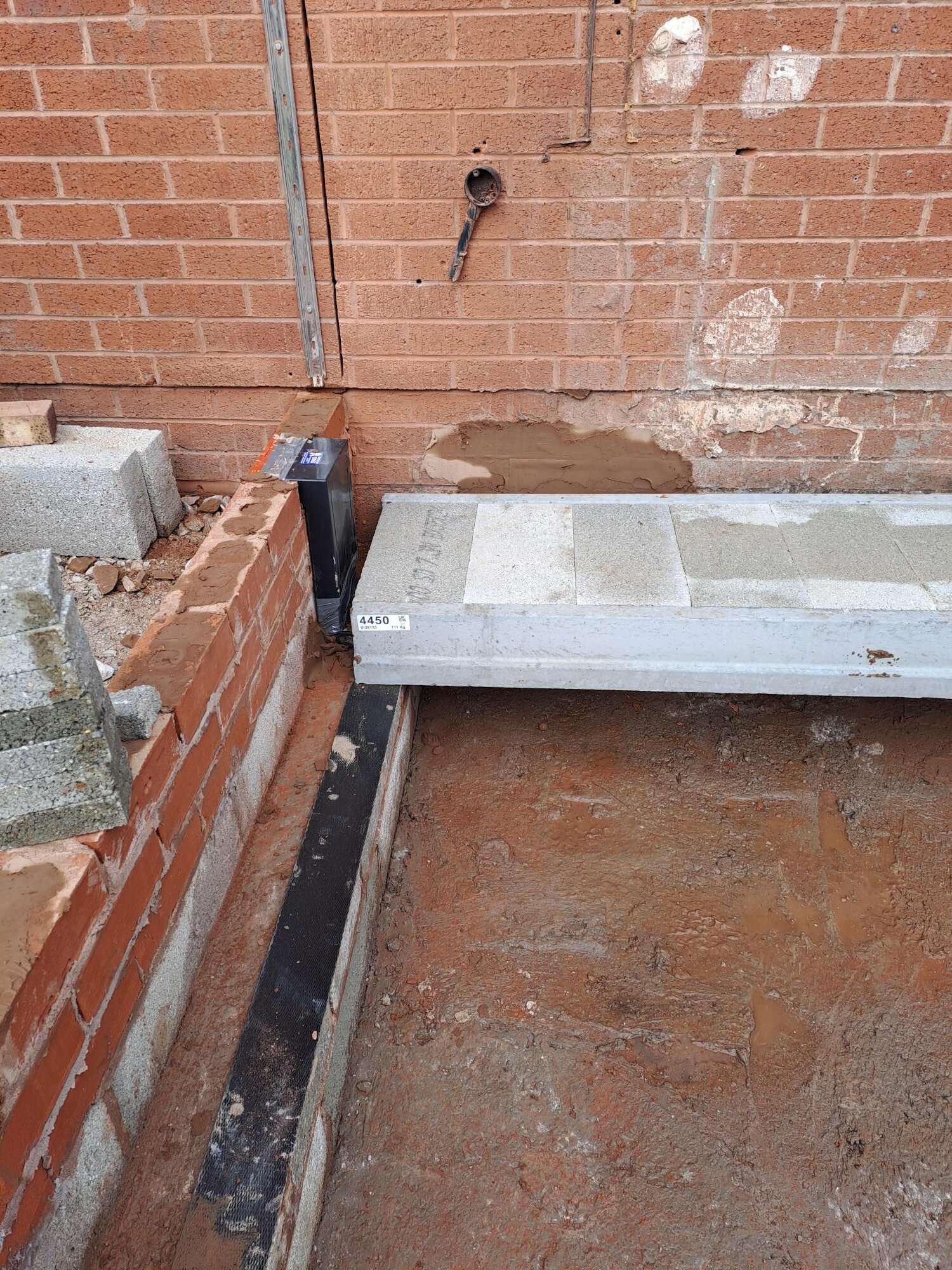
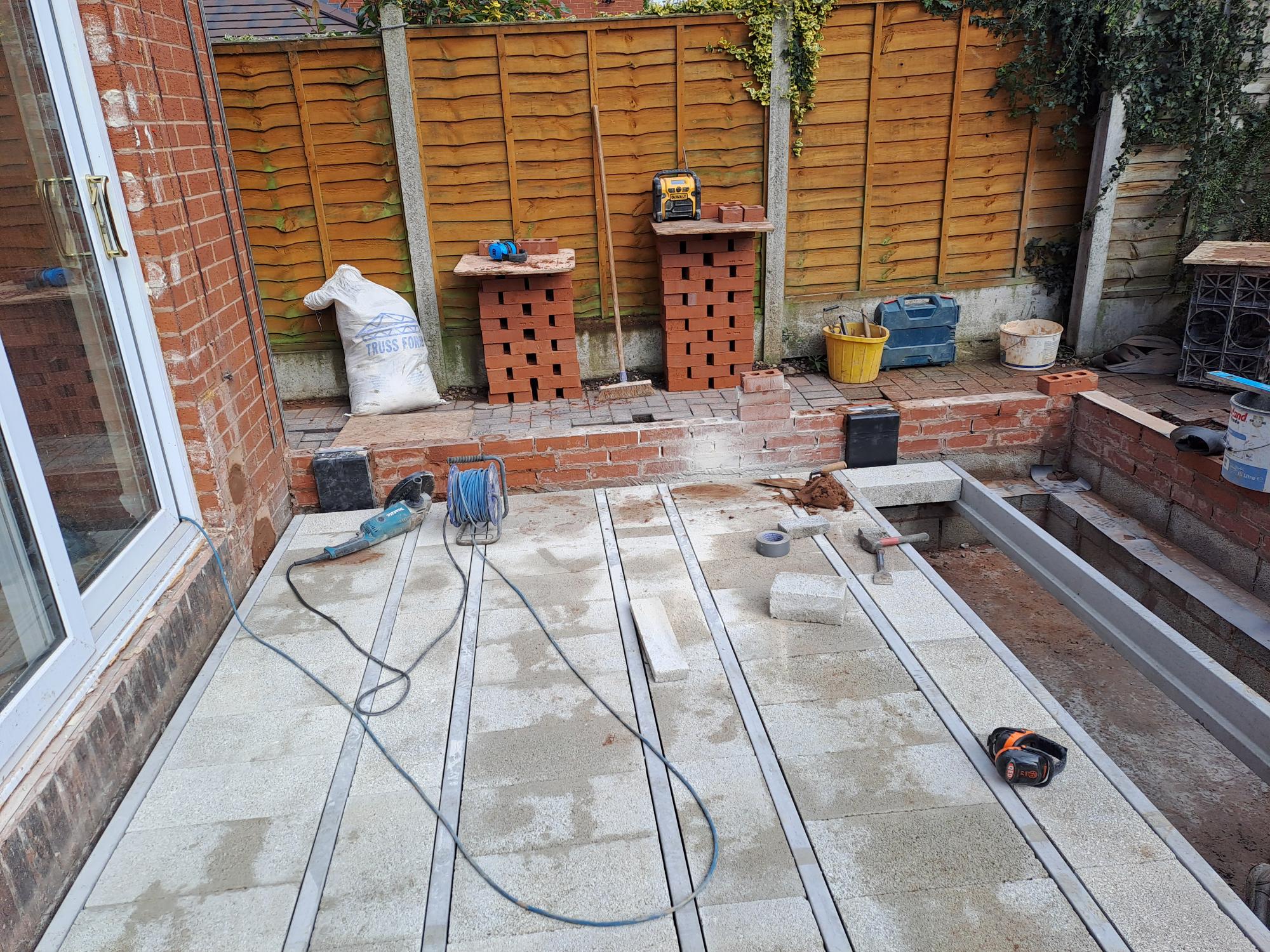
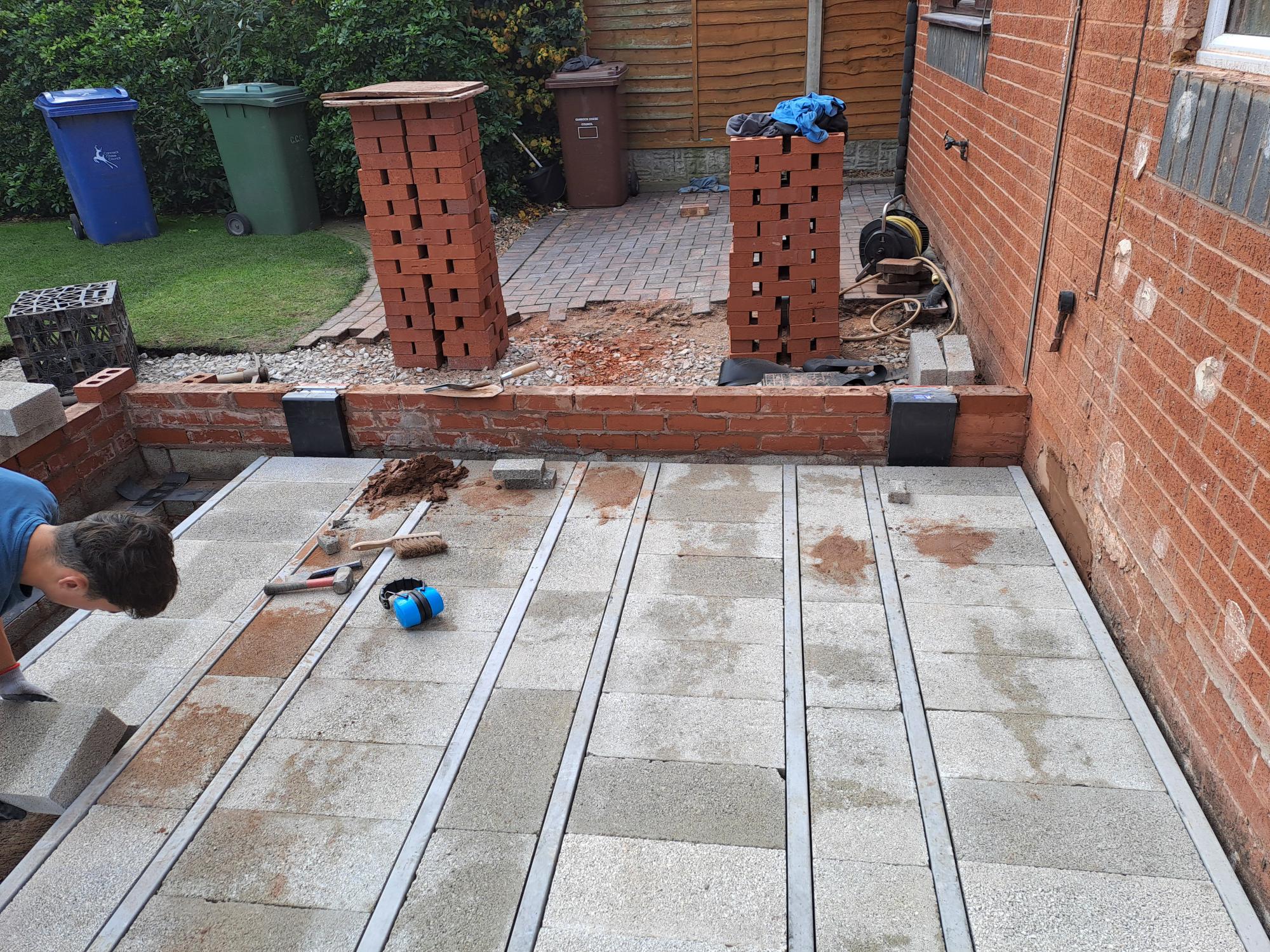
sorry for these questions, but you know if someone was building a porch would they tooth brickwork out and join the new bricks (is this suitable) or add the wall starter (as shown in your image_) or is it not needed? thanks noseall! (y):love:
 
Most people use wall starters nowadays. There's a number of advantages, including not being restricted to following the same brick gauge as the house. E.g. The house might have really large or small joints, or different sized bricks.
 
Most people use wall starters nowadays. There's a number of advantages, including not being restricted to following the same brick gauge as the house. E.g. The house might have really large or small joints, or different sized bricks.
thank you stuart

If a builder doesn't use any form of wall starters and build extension then what impact will it create?


thanks
 
Without any lateral restraint the ends are likely to go out of plumb. You're also more likely to get a movement crack at the join.
 

If you need to find a tradesperson to get your job done, please try our local search below, or if you are doing it yourself you can find suppliers local to you.

Select the supplier or trade you require, enter your location to begin your search.


Are you a trade or supplier? You can create your listing free at DIYnot Local

 
Back
Top