NOTE 2:* The resistance of the installation earth electrode should be as low as practicable. A value exceeding 200 ohms may not be stable. So that's your upper limit. Assuming using a RCD.
The rod should not be so you can touch the rod, if your supply is TN-C-S then with a loss of PEN the house earth could get to 230 volts above true earth, unlikely as you have an earth rod, but should that happen, clearly you would not want to touch the rod, this
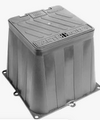
would stop you getting too close, but this
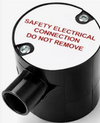
with a slab on top of it is all I have, the paving slab means you are reasonably safe.
With 6 mm² cable you want the current not to melt the insulation so assuming it can carry 40 amps, 230/40 = 5.75Ω so really don't want the resistance less than 6Ω or with loss of PEN it could melt.
Since the inverter will likely with loss of power connect the earth and neutral together, your supply will be TN-S not TT, at least that is how mine works.
There are two methods to measure the resistance of an earth rod, one is you have two probes and a special meter and you have to put them in around 50 meters from the earth rod, and with most properties you can't get in the ground at the required distance, so second method compares it to the DNO earth, basic idea is you measure the resistance of both the DNO and your earth, and assume the DNO earth is very low, so you can ignore that, and assume the earth loop impedance is the resistance of your rod.



