Hi,
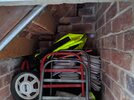
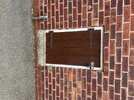
Elderly parents live in an early 1970's property with an externally accessed under stairs cupboard - probably designed as a coal shed.
It is a single skin wall backing onto the hall and on each side an under stairs cupboard accessed internally. The hall is draughty which I think is tracking between the stair well into one of the other cupboards and then into the hallway.
Long term intention is to get it bricked up (small security risk also) and then open up the access from the inside but realistically this won't happen soon. I'm looking for a quick solution to draught proof / insulate and get through this Winter.
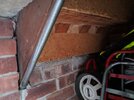
I was thinking just to 'no more nails' some 50mm PIR onto the brickwork and underside of the stairs, using a spray foam around the internal gas pipe (this is old Truwell steel pipe) to get a full seal. I'll tape up the joints. There is also a cavity around some parts of the door which isn't closed, so will ever try and cut a strip of PIR to get a tight fit or just use spray foam to get it closed.
I'm not sure whether I need to leave any air gap between the PIR and brickwork. Was assuming not but could always batten and fix the PIR to the battens to given a 25mm gap or so if needed.
Appreciate any comments on this quick fix. The building is showing it's age and needs a full re-pointing amongst other things but one small step at a time and would be good to reduce some draughts for this Winter.
Many thanks.
Elderly parents live in an early 1970's property with an externally accessed under stairs cupboard - probably designed as a coal shed.
It is a single skin wall backing onto the hall and on each side an under stairs cupboard accessed internally. The hall is draughty which I think is tracking between the stair well into one of the other cupboards and then into the hallway.
Long term intention is to get it bricked up (small security risk also) and then open up the access from the inside but realistically this won't happen soon. I'm looking for a quick solution to draught proof / insulate and get through this Winter.
I was thinking just to 'no more nails' some 50mm PIR onto the brickwork and underside of the stairs, using a spray foam around the internal gas pipe (this is old Truwell steel pipe) to get a full seal. I'll tape up the joints. There is also a cavity around some parts of the door which isn't closed, so will ever try and cut a strip of PIR to get a tight fit or just use spray foam to get it closed.
I'm not sure whether I need to leave any air gap between the PIR and brickwork. Was assuming not but could always batten and fix the PIR to the battens to given a 25mm gap or so if needed.
Appreciate any comments on this quick fix. The building is showing it's age and needs a full re-pointing amongst other things but one small step at a time and would be good to reduce some draughts for this Winter.
Many thanks.