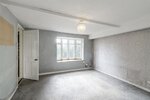
When I viewed the property the estate agent seemed to think that the crack and mould might suggest subsidence as the floor is spongy and dips towards the corner where the mould is
Spongy floor / subsidence / damp - none of those have a particular reason to be connected.
The stepped diagonal crack indicates some historic movement, it doesn’t look like a major deal, possibly settlement from thermal expansion / contraction or a bit movement in the foundation….which doesn’t mean the house is unstable or suffering ongoing subsidence. Yes it needs looking at, it needs some work doing whether that’s just filling the cracks and making good or stripping some of the render and inserting helical reinforcing bars or some underpinning but either way it’s all doable and whoever decides to buy is going to knock the vendor for the cost.
The spongy floor is probably floor joist issue, or poor sleeper walls….all doable, it’s a floor up job, the extent of the issue will be unknown until some floorboards are taken up. It could be inadequate ventilation, rotted joist ends etc.
Damp needs looking at, impossible to say from the pics what the issue is.
There has been a wall taken out and a steel put in - you need a building regs certificate for that
If the property ticks all the boxes and you can get it at a good price, I don’t see the issues being a showstopper, all old houses have issues. Just bear in mind that the price can always be renegotiated following survey.