Mystery emergency wiring

Joined
21 Sep 2010
Messages
4
Reaction score
0
Location
Leicester
Country
United Kingdom
Hi all! First-time poster, long-time lurker;
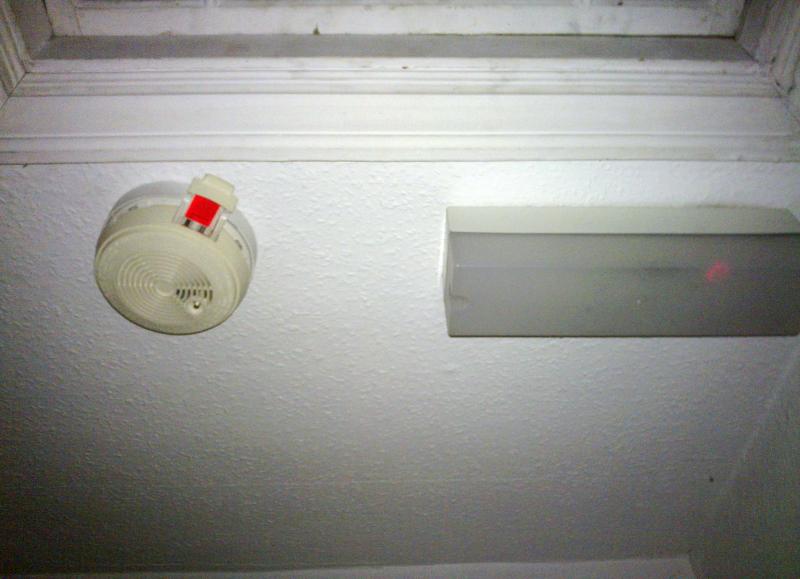
I've a dilemma. We've recently moved into a house that, at some point in its past was bedsits and has emergency lighting on each of its 3 storeys.
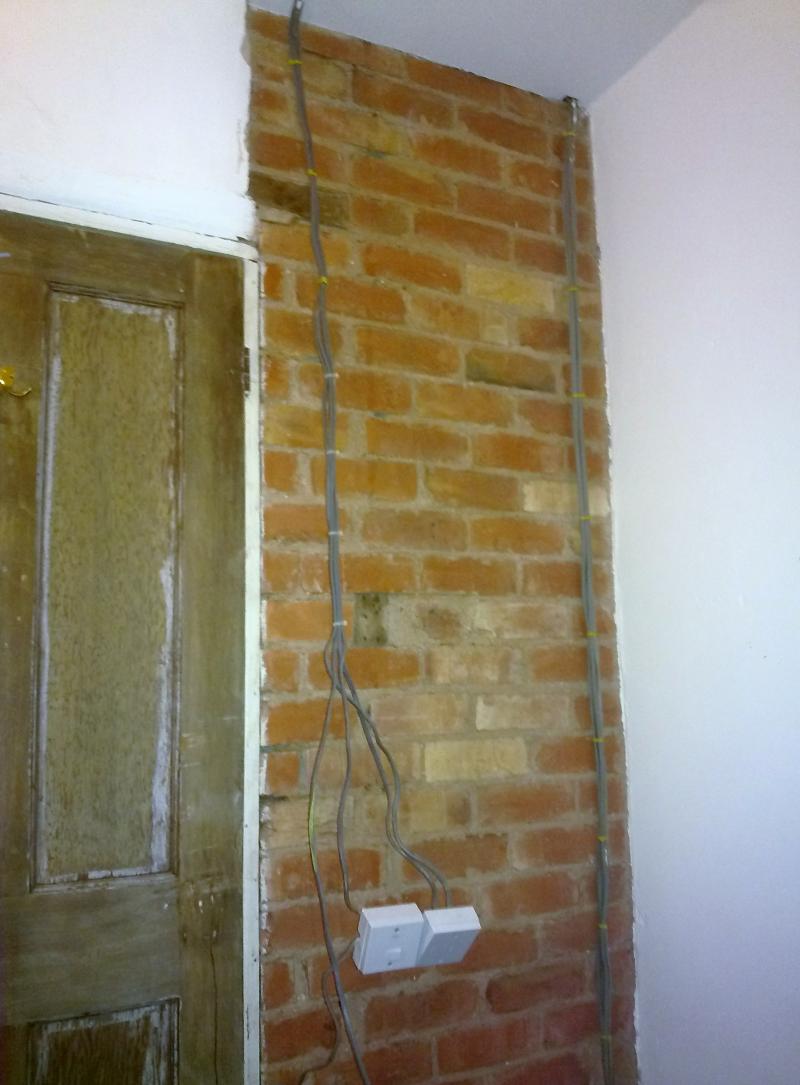
On the top floor, dangling from the ceiling are some rather mysterious electrics.
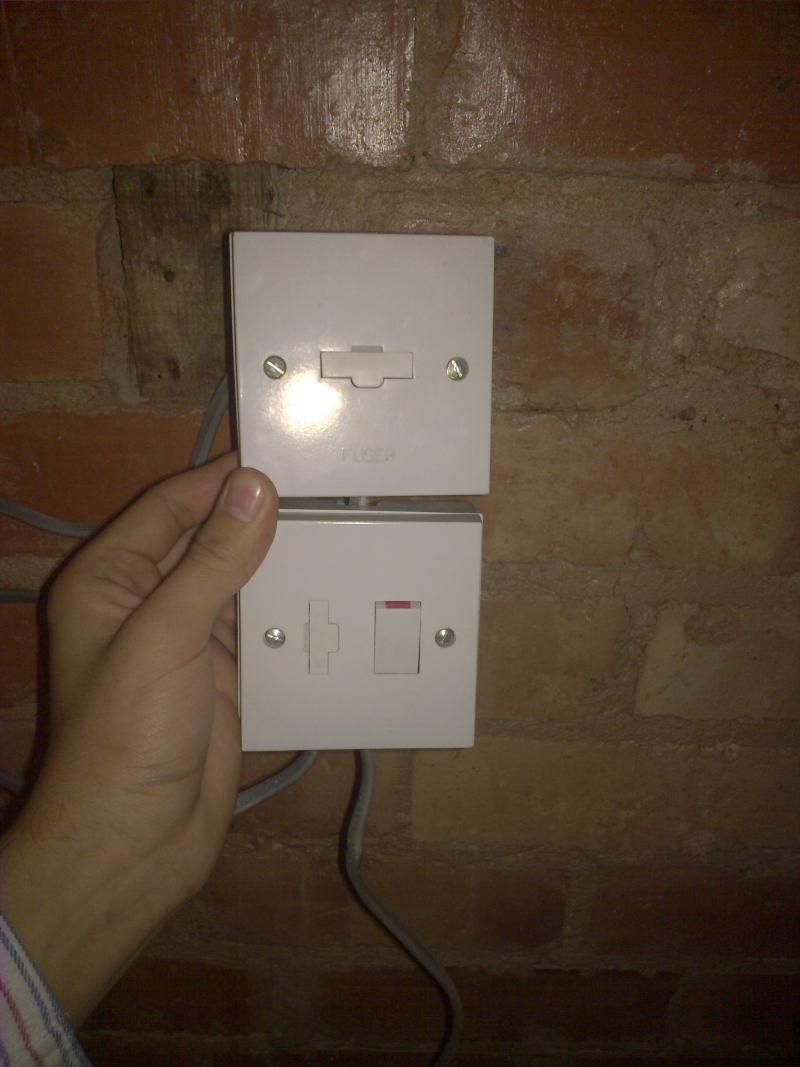
4 grey live, mains cables leading to a 13A fuse and a switch which also contains a 13A fuse. When the switch is OFF, the emergency lights come ON.

I was just wandering if there was a safe way to remove these cables so that I can then remove the emergency lighting around the house.


My main qualm is with the wires and fused switch dangling from the ceiling in a space I'd like to use.

Pictures attached

Thanks!
 
It depends how the EM lights have been wired.

But if it were me, I'd be utilising the wiring and renewing the lights - you never know when they'll come in handy! The lights you have there look a mess, but you can get very nice ones now, even recessed ones!
 
It depends how the EM lights have been wired.

But if it were me, I'd be utilising the wiring and renewing the lights - you never know when they'll come in handy! The lights you have there look a mess, but you can get very nice ones now, even recessed ones!

Thanks for the suggestion, that's a nice idea. I'll bring the wires down and run them with the ones on the right.

I tried to kill the current running through the EM cables today by switch off everything on my fuse box but this didn't work.

And by the look of this;
Try this link:

http://www.esielectrical.co.uk/media/em_ltg_design.pdf

Section 7 (page 8.) and the very last page have some wiring diagrams.

they aren't connected to the fuse box. How would I go about isolating these so I can fit a new fuse and switch and move the cabling?

Thanks again for your help!
 
When you kill the power to the lights, the battery WITHIN THEM kicks in. This is how they work. You wont get the lights to go off without applying 230 volts to them.

Isolate the fittings, let the battery run down (3 hours) and remove them.
 
If that's how the emergency lights have been done, are there hoofprints in the front garden?

Don't get me started, it seems like every other thing in this house has been botched. Beautiful house but, as it was bedsits a few owners ago, I guess the landlords never wanted to shell much out for getting work done.
 
you do realise that the lights have batteries and when you turned the whole house off the lights came on under battery power?
there is no current running in the "EM wires" at that point since the whole house is off..


get yourself a decent volt / multi meter and check for voltage at the light terminals if you want to be sure. ( actually, that's good advice anyway.. always make sure it's dead before messing with electrics.. )
 
When you kill the power to the lights, the battery WITHIN THEM kicks in. This is how they work. You wont get the lights to go off without applying 230 volts to them.

Isolate the fittings, let the battery run down (3 hours) and remove them.

Excellent! Thanks very much!

you do realise that the lights have batteries and when you turned the whole house off the lights came on under battery power?
there is no current running in the "EM wires" at that point since the whole house is off..


get yourself a decent volt / multi meter and check for voltage at the light terminals if you want to be sure. ( actually, that's good advice anyway.. always make sure it's dead before messing with electrics.. )

I did not know this at all! But it seems so freakin' obvious now. I've never dealt with emergency lights before. I used to live in an old manor house with prehistoric electrics before we moved here.
 
Sounds, and looks like a bodge job. There shouldn't be an ordinary switch to turn the emergency lighting on. (or test it). Anyone of the previous residents could flick the switch, batteries go flat, thus rendering it useless when there's a power failure. Or a fire, then a power failure. Or a power failure, then a fire.
 

If you need to find a tradesperson to get your job done, please try our local search below, or if you are doing it yourself you can find suppliers local to you.

Select the supplier or trade you require, enter your location to begin your search.


Are you a trade or supplier? You can create your listing free at DIYnot Local

 
Back
Top