- Joined
- 27 Jan 2008
- Messages
- 29,340
- Reaction score
- 3,608
- Location
- Llanfair Caereinion, Nr Welshpool
- Country

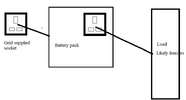
I have had one for years,
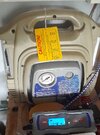
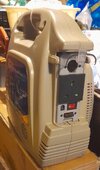 but the 300 watt inverter built in, is very different to the modern units. At £400 not cheap
 but it will power a lot more, it would, I think power a kettle
 as shown (750 watts) however, it may also have some uses at home as well, like transferring off-peak to peak times.
 and one can charge it off-peak, and once the smart socket turns off, all will be powered from the battery.
I found the manual here seems there are loads of options, including adding with direct connection of a 100W or 200W solar panel. So all in all seems a reasonable unit.
But there are 100s of these units, and to read every user manual to find which is best, would be a long job. I looked at another type here
 slight differences like 50 or 60 Hz, second battery, etc. But very similar. I likely used the wrong google phrase (balcony solar inverter/battery pack) I had expected to find grid tie devices, but having solar panels on the balcony does not need a grid tie inverter, that's a completely different function.
I am a little short in winter of battery capacity, and my thoughts were, if I could shed some of the load to a portable battery, rather than fixed, it would have a second use in the summer. I looked at a 287 litre chest freezer and noted Annual Energy Consumption Kwh : 285. So working from that it needs 620 watt/hours for 19 hours a day (peak time and off-peak direct) So I have three freezers in the same area, so nearly 2 kWh used just for freezers, so it would not be much of a job to have a 2 kWh battery pack for just freezers, which would extend the time the main battery will last in the winter, a small unit just outside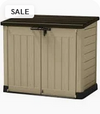 and it would not even take up room in the kitchen. At the moment just a thought. Started by reading about grid tie units used for balcony solar, but no real need for balcony solar with grid tie, one of these units will extend my existing battery life in winter quite well.
So have I missed anything? Has anyone already done this? So many times on reflection I realise my idea is daft, if not, why are not 100s of other people doing the same, so what have I missed?
but the 300 watt inverter built in, is very different to the modern units. At £400 not cheap so add a smart socket,EPS: Emergency Power System.
Once you have connected the mains and the AC input port of the product via the AC charger cable, you can use the AC output port of the product to power your unit (at this point the AC power comes from the mains, not the battery of the product). In the event of a sudden loss of mains power, the product can automatically switch to battery mode within 20ms.
and one can charge it off-peak, and once the smart socket turns off, all will be powered from the battery.I found the manual here seems there are loads of options, including adding with direct connection of a 100W or 200W solar panel. So all in all seems a reasonable unit.
But there are 100s of these units, and to read every user manual to find which is best, would be a long job. I looked at another type here
I am a little short in winter of battery capacity, and my thoughts were, if I could shed some of the load to a portable battery, rather than fixed, it would have a second use in the summer. I looked at a 287 litre chest freezer and noted Annual Energy Consumption Kwh : 285. So working from that it needs 620 watt/hours for 19 hours a day (peak time and off-peak direct) So I have three freezers in the same area, so nearly 2 kWh used just for freezers, so it would not be much of a job to have a 2 kWh battery pack for just freezers, which would extend the time the main battery will last in the winter, a small unit just outside
and it would not even take up room in the kitchen. At the moment just a thought. Started by reading about grid tie units used for balcony solar, but no real need for balcony solar with grid tie, one of these units will extend my existing battery life in winter quite well.So have I missed anything? Has anyone already done this? So many times on reflection I realise my idea is daft, if not, why are not 100s of other people doing the same, so what have I missed?