
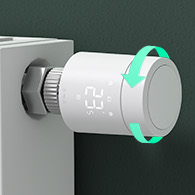
• Looking for a smarter way to manage your heating this winter? We’ve been testing the new Aqara Radiator Thermostat W600 to see how quiet, accurate and easy it is to use around the home. Click here read our review.

SPD Question

Joined
10 Dec 2008
Messages
975
Reaction score
18
Location
Jersey Marine
Country
United Kingdom
I have never used an SPD … so new to me.
I know if you install an external EV charger, you should feed via an SPD.

Question is would it be valid to look at installing an SPD to protect whole house … I.e. on the incoming tails.
My limited understanding is that a Type 1 SPD could do this ….. thinking that having an SPD and double pole switch has benefits of being able to safely isolate house from supply.

Twice in last month had Electricians undertaking work, and they broke seal and pulled DNO fuse to provide required isolation. (One fitting Smart meter, other installing Solar EV battery solution)
Fine, understand why they did it …. but I then have to contact National Grid to get fuse resealed.

They are coming back today for 2nd time … and put in writing. “the electricians don’t have the authority to break the seal or remove the fuse as that is NGED equipment. ”


At least if I had the SPD it would allow the isolation.
 
Last edited:
The person installing the smart meter wouldn't have been an electrician, but should really have re-sealed the cutout when finished.

I'm guessing 'reseated' is a typo (?)
 
The person installing the smart meter wouldn't have been an electrician, but should really have re-sealed the cutout when finished.

I'm guessing 'reseated' is a typo (?)
I corrected Typo. (was wrong)
The guy who installed the Smart Meter said he used to be an Electrician, but now just does contract meter installs.
I have no idea on legal position on whether you have to be ‘certified’ to undertake such work.
He advised he is not allowed to have the DNO seals, and post install Octopus emailed National Grid initiating the visit for first reseal.
 
He advised he is not allowed to have the DNO seals, and post install Octopus emailed National Grid initiating the visit for first reseal.

All the meter installers I have come across, do reseal after the install.

I don't see how non-sparks could be employed installing meters

My understanding is, that those installing the thousands of smart meters, were simply taught the basic task of meter swapping, rather than being qualified electricians, or Gas Safe. If they ran into problems, then they would call for help.
 
All the meter installers I have come across, do reseal after the install.


My understanding is, that those installing the thousands of smart meters, were simply taught the basic task of meter swapping, rather than being qualified electricians, or Gas Safe. If they ran into problems, then they would call for help.

This guy did not have seals to do reseal .... it must also be a process thing, as next day after install, National Grid contacted me by email to arrange a slot for visit to reseal the fuse.
 
Question is would it be valid to look at installing an SPD to protect whole house … I.e. on the incoming tails.
There isn't any other way - the SPD is connected to the supply, which supplies the whole building.
Even if it was installed in a separate consumer unit, that would be connected to the same supply as any others.


At least if I had the SPD it would allow the isolation.
SPDs can be installed with an isolator for the whole installation.
They can alternatively be installed in the consumer unit with other devices.


I know if you install an external EV charger, you should feed via an SPD.
Absolutely, as while SPDs are not a mandatory item according to BS7671, the item being protected in that case is the charger and related electronics inside the vehicle, replacements of which are many £1000s.


Type 1 SPD
The type of SPD required is determined by the type of supply to the building and a few other factors, not what it's intended to protect.
 
I don't see how non-sparks could be employed installing meters
Some of them are people who have previously been trained as and/or practised as, electricians, but many/most are just people who have been trained to install meters.

...similar to the way in which a good few people who are not doctors (let alone surgeons) are trained to undertake specific surgical procedures or parts of surgical procedures.
 
Some of them are people who have previously been trained as and/or practised as, electricians, but many/most are just people who have been trained to install meters.

Exactly. The installation is a straight-forward, uncomplicated, very basic task, that they are carefully trained to do safely.
 
How much training means you can safely work on the supply cables?
I don't think it takes all that much, given a vaguely intelligent person to train.

In fact, all that is really required in terms of 'safety' (of doing the work) is to ensure that they are able to safely remove cutout fuses (and recognise situations in which they shouldn't touch a particular cutout) - and, again, that should not take much 'training' at all.
 
I'm not seeing it

I don't think you can train people up like that to work safely on the meter.
 
I'm not seeing it .... I don't think you can train people up like that to work safely on the meter.
How long do you think it would/could/should take to train someone how to remove and replace a cutout fuse (and to recognise which cutouts they should not touch) and how to disconnect and connect cables to screw terminals?

I suspect you would say the same of the medical analogy I mentioned, since I have watched many a 'surgical technician' (who had undergone pretty brief training) doing things in an operating theatre which you probably believe should only be done by a surgeon with a decade or more of training. As in the electrical situation, the point, of course, is that the technician is trained and competent to do just one or three things, whereas the surgeon is trained and competent to do hundreds of different things.
 
My brother in law became a meter fitter. Prior to that he butchered turkeys. I recall that his training to fit smart meters lasted about a week for electric meters and another week for gas meters. He did carry the seals and equipment to replace the seal on the main fuse.

He fitted both electric and gas meters, he wasn't an electrician and he wasn't gas safe registered.

Changing a meter follows a standard procedure. The first part of the meter change involves various checks to ensure that they can do it safely by following their training. If anything doesn't pass their safety checks they just abandon the job.
 

If you need to find a tradesperson to get your job done, please try our local search below, or if you are doing it yourself you can find suppliers local to you.

Select the supplier or trade you require, enter your location to begin your search.


Are you a trade or supplier? You can create your listing free at DIYnot Local

 
Back
Top