• Looking for a smarter way to manage your heating this winter? We’ve been testing the new Aqara Radiator Thermostat W600 to see how quiet, accurate and easy it is to use around the home. Click here read our review.

Tanking a damp inspection pit

Joined
30 Oct 2019
Messages
69
Reaction score
0
Country
United Kingdom
Apologies if this is the wrong sub-forum, mod feel free to move this post.

I have unearthed the inspection pit in my workshop for the first time since taking it over. It was very damp and puddles on the floor.

The walls are made from concrete blocks and the floor is a concrete slab; the latter seems to have no finish but the walls have a couple of layers of some kind of coating - one looks like white emulsion, the other could be an old tanking system some kind over very thin cement render... or possibly just very manky paint. Some of the paint is flaking, so is stuck fast.

There is a cut out in the corner of the slab just a bit smaller than a foot square. I presume this is a soak away and for mopping out any water or other liquids that build up.

It does appear that most of the moisture is getting in from one spot in the corner at the moment, but other than the last week its been reasonably dry. I don't want to miss the opportunity to apply a system to the walls and floor and then have it damp through winter.

My current plan is to:

1. Wire brush and pressure hose any flaking paint off the walls
2. fill any gaps in blockwork with cement mortar
3. fill in/plug up the soak away cutout deleting this "feature"
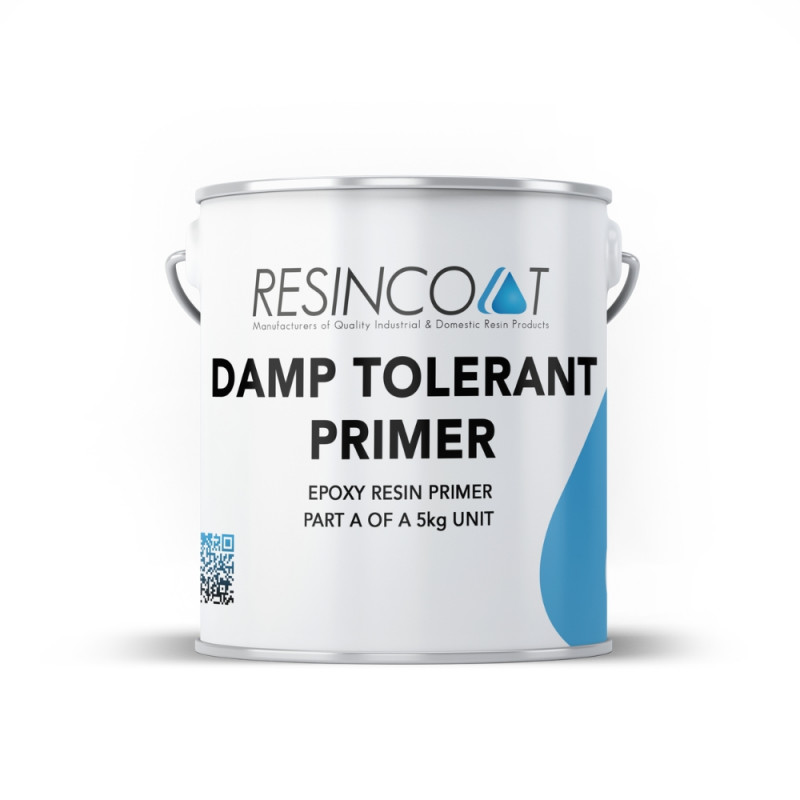
4. apply Resincoat epoxy primer and garage paint to floor ceiling (two coats of the primer acts a tanking system - apparently).

It does seem like massive overkill for a pit, but it is a bit of up front cost to make the problem "go away" - I will be able to store infrequently used items like my engine stand and such like without worrying about it getting ruined by the damp.

What are your thoughts on this plan?

(photos to follow)
 
Inspection pit when clear but not cleaned


WhatsApp Image 2025-09-23 at 15.25.41 (1).jpeg


Picture of state of wall finish

WhatsApp Image 2025-09-23 at 15.25.40 (5).jpeg


WhatsApp Image 2025-09-23 at 15.25.40 (4).jpeg


Picture after cleaning out and some drying


WhatsApp Image 2025-09-23 at 15.25.40 (6).jpeg


Where the worst of the water is getting in

WhatsApp Image 2025-09-23 at 15.25.40 (6).jpeg


WhatsApp Image 2025-09-23 at 15.25.40 (7).jpeg


The soak away/sink thing
WhatsApp Image 2025-09-23 at 15.25.40 (8).jpeg
 
I would keep the drain out point, you can use a small boat pump to remove water .
You will get a lot of condensation dripping into the pit unless it’s ventilated .
When I had a pit I replaced to p cover with sections of cable tray welded together which give good ventilation .
 
I was going to ventilate with an extractor fan and PVC pipe cut into the boards that cover the pit when not in use. Should probably have added that to my above spec'.

I will mull over the idea of keeping the soak away thing.

As I see it if I do my job right it shouldn't be needed and would just serve as a source for water to get in. Like its not especially well made, there isn't a nice smooth coaxing the water down to it to drain off. You'd need half an inch of standing water before it drain out to it to be begin with. Not sure even if an extractor broke the soak away is going to do much good.

Additionally, if I stick a pump in the soak away I've then got to route the pipe out of the workshop, which isn't a problem as there is some sort of pipe going into the pit - but it'd be tricky clip that hose to the wall as it'd now have the tanking on - which I wouldn't want to pierce.
 
I was going to ventilate with an extractor fan and PVC pipe cut into the boards that cover the pit when not in use. Should probably have added that to my above spec'.

I will mull over the idea of keeping the soak away thing.

As I see it if I do my job right it shouldn't be needed and would just serve as a source for water to get in. Like its not especially well made, there isn't a nice smooth coaxing the water down to it to drain off. You'd need half an inch of standing water before it drain out to it to be begin with. Not sure even if an extractor broke the soak away is going to do much good.

Additionally, if I stick a pump in the soak away I've then got to route the pipe out of the workshop, which isn't a problem as there is some sort of pipe going into the pit - but it'd be tricky clip that hose to the wall as it'd now have the tanking on - which I wouldn't want to pierce.
Not just water in pit , a fuel or oil spills is possible .You can use a flexi hose into a bucket , doesn’t need to be fixed .
 
Yeah, thing is the pit was in before a ramp went it. Which has largely, but not entirely superseded its use.

Not sure how much I'd want to be mopping engine out into the soak away and thus earth... although i am sure lots has gone down there in the past.
 
Yeah, thing is the pit was in before a ramp went it. Which has largely, but not entirely superseded its use.

Not sure how much I'd want to be mopping engine out into the soak away and thus earth... although i am sure lots has gone down there in the past.
You could line it or seal in a suitable size plastic container .
 
You could line it or seal in a suitable size plastic container .
Just so I am on the right page, we're saying put an impermeable container into the hole to create a sump into which liquids can collect and then but pumped out?

This would not be perforated to allow said liquids to soak away into the surround soil, as I believe they do right now - or have I got that wrong?
 
Tanking the inside face of the walls is unlikely to work well. Hydraulic pressure through the wall tends to push off impervious coatings. Modern practice in underground structures is to recognise that some water will penetrate, and make arrangements for it to run down the inside of the walls and collect at the floor, where it can be pumped out of a sump (you have nearly got that)

BUT ALSO

To place special tiles on the floor, with channels for the water to drain beneath them, but leaving an isolated dry floor for the living space

And to line the walls, with a cavity that the water will drain down, and the isolated internal wall having a lining so that the inside wall will be dry.

If you can ventilate the pit sufficiently, it will be reasonably dry if water vapour is extracted faster than it can evaporate off the walls and floor.

Putting an unventilated cover on the pit prevents water vapour escaping, thus making it increasingly damp.

You can use a passive chimney, because water vapour is lighter than air and will rise out if it is given a path to escape.

Evaporation will keep the pit cool (hence, wine cellars).
 
Just so I am on the right page, we're saying put an impermeable container into the hole to create a sump into which liquids can collect and then but pumped out?

I thought originally, he was suggesting installing something like one of those large, ready made bathtub shaped pit liners, but obviously, I had misunderstood. I in response, offered the link to someone who was suggesting lining a such a pit, with fibre glass, to completely seal it from ground water ingress.

How much a pit suffers from water ingress, depends on how well sealed it is, and on the local groundwater level. If the groundwater is higher than the bottom of the pit, any water ingress, will need to be pumped out.
 
I'm planning on installing 2 coats of epoxy primer:


Which as per the website says:

> when two coats are applied this system can act as an effective damp proof membrane helping to prevent rising damp and other moisture contamination problems arising from concretes

And then a coat of:


Apologies if that wasn't clear.
 
Just so I am on the right page, we're saying put an impermeable container into the hole to create a sump into which liquids can collect and then but pumped out?

This would not be perforated to allow said liquids to soak away into the surround soil, as I believe they do right now - or have I got that wrong?
That right. Should not have been designed to allow liquids to escape to ground and contaminat soil .
 

If you need to find a tradesperson to get your job done, please try our local search below, or if you are doing it yourself you can find suppliers local to you.

Select the supplier or trade you require, enter your location to begin your search.


Are you a trade or supplier? You can create your listing free at DIYnot Local

 
Back
Top