I need some advice please. Novice DIYer who’s been doing a lot of research on how to fix my walls myself…
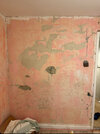
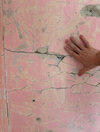
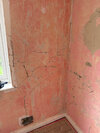
I stripped the wallpaper off the wall here expecting to be able to paint it. Turns out the plaster is in a poor state. Some of it is hollow. So I started to remove parts of it but stopped as I realised that I’d end up taking most of the wall off.
Since I don’t have the budget to get it skimmed, instead I thought I’d take a chance with what’s left, patch the holes and cracks with bonding, scrim and then use roll on plaster (Dalapro Nova) with a layer of render mesh for reinforcement. I know roll on is not how we traditionally do it but apparently the results are decent if you aren’t a plasterer and can’t afford to call the pros in.
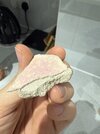
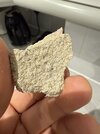
However, I then found out about lime plaster. Popped some of this in vinegar and it does seem to fizz… I was surprised as this is a 1960 house so not that old, plus it appears to have gypsum (the pink stuff) on top of the plaster. I think what’s happened is I’ve got blockwork with some kind of lime render on top that at some point someone has skimmed over with gypsum when they tried to modernise it.
Apparently gypsum and lime do not mix because the gypsum doesn’t breathe and it could trap moisture leading to damp. Plus it’s not flexible which means eventually the lime will crack around the border with the gypsum.
So I think I need to change my plan. I’d patch the big holes with a lime mortar, and a lime filler for the other cracks. I’d then line the walls with lining paper and then paint that.
My question is if it’s worth using lime if there’s already gypsum on top of the lime. Seems like it’s already lost its breathability so is there any benefit here? From what I can see using binding and easy fill is a lot simpler than lime mortar and filler.
Also I’m assuming I am dealing with lime here based on the vinegar experiment, although I do wonder if actually it’s something else that’s just having a bit of a reaction? Keen to hear opinions on that. I’ve posted a video here:
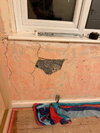
I should mention that this is an upstairs bedroom with one external wall that has a patch missing like in the photo. However, the property doesn’t have any damp problems and the other rooms also have this gypsum on lime, painted wallpaper situation.
Any and all help here greatly appreciated!
I stripped the wallpaper off the wall here expecting to be able to paint it. Turns out the plaster is in a poor state. Some of it is hollow. So I started to remove parts of it but stopped as I realised that I’d end up taking most of the wall off.
Since I don’t have the budget to get it skimmed, instead I thought I’d take a chance with what’s left, patch the holes and cracks with bonding, scrim and then use roll on plaster (Dalapro Nova) with a layer of render mesh for reinforcement. I know roll on is not how we traditionally do it but apparently the results are decent if you aren’t a plasterer and can’t afford to call the pros in.
However, I then found out about lime plaster. Popped some of this in vinegar and it does seem to fizz… I was surprised as this is a 1960 house so not that old, plus it appears to have gypsum (the pink stuff) on top of the plaster. I think what’s happened is I’ve got blockwork with some kind of lime render on top that at some point someone has skimmed over with gypsum when they tried to modernise it.
Apparently gypsum and lime do not mix because the gypsum doesn’t breathe and it could trap moisture leading to damp. Plus it’s not flexible which means eventually the lime will crack around the border with the gypsum.
So I think I need to change my plan. I’d patch the big holes with a lime mortar, and a lime filler for the other cracks. I’d then line the walls with lining paper and then paint that.
My question is if it’s worth using lime if there’s already gypsum on top of the lime. Seems like it’s already lost its breathability so is there any benefit here? From what I can see using binding and easy fill is a lot simpler than lime mortar and filler.
Also I’m assuming I am dealing with lime here based on the vinegar experiment, although I do wonder if actually it’s something else that’s just having a bit of a reaction? Keen to hear opinions on that. I’ve posted a video here:
I should mention that this is an upstairs bedroom with one external wall that has a patch missing like in the photo. However, the property doesn’t have any damp problems and the other rooms also have this gypsum on lime, painted wallpaper situation.
Any and all help here greatly appreciated!