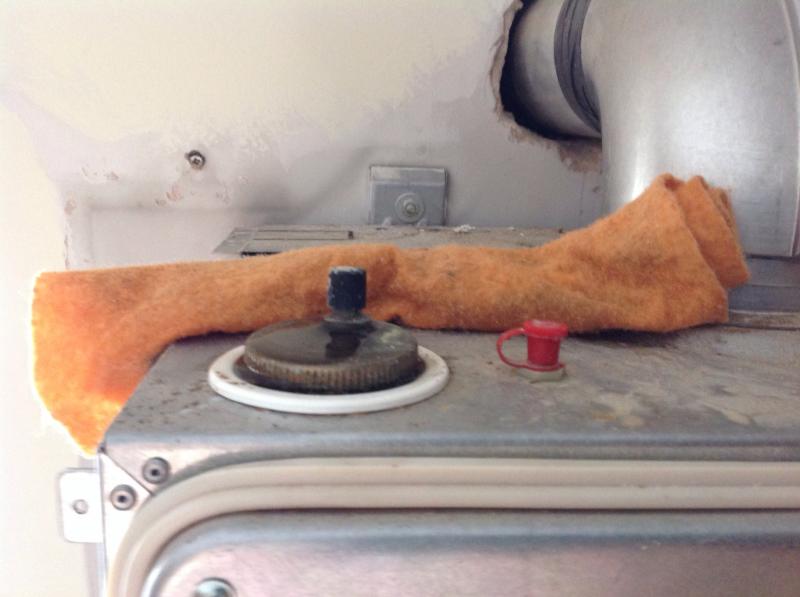
I have a Worcester cd24i combi boiler. A number of years ago the pressure gauge stopped working. I have it serviced every year by the same engineer and he told me that unless it starts causing problems I should leave it as it is. Every 6 months or so I re pressurise the boiler with the tap open for about 90 secs. This was how long it used to take when the gauge worked. Doing this has served me well for 4 years.
Not sure if it's a coincidence but recently the diaphragm was replaced and a new engineer (from British Gas) pressurised the system again. Everything was fine until the other day the boiler started to make some noises. Later in the day, when the heating was turned up, the lights on the front board started to flash and the boiler stopped working. I've only ever seen this happen before when the pressure was too low. Predictably I pressurised the boiler and all was well for a few hours before the bleed screw at the top of the boiler started leaking down the side of the boiler. Too much pressure was then my obvious thought. I duly released some pressure but still had the leak. I then released more and did this until the leak stopped. This then produced a new problem. No leak the boiler wouldn't work. The pump got very hot which suggested that it was running dry so more pressure was required. I put in only enough to get it running again but the leak came back. I'm very confused. I now have the boiler working but I can only have heating up to level 2 (it stops working above this) and a leak from the bleed valve. Obviously this can't go of for too long. I am buying a new gauge but for now what do I do in the meantime? One thing that occurred to me was to drain the whole system and refill from scratch. I know where the bleed valve for the system is but I've never done this before and so don't feel confident about doing it because I don't know exactly what to do. If I do drain it do I re pressurise in the same way I would normally? If re pressurising from scratch how long should I let it fill for (if I have no gauge to look at?)
Is the above the best course of action? Any help would be very gratefully received. Thank you in advance for any advice you can impart.
Not sure if it's a coincidence but recently the diaphragm was replaced and a new engineer (from British Gas) pressurised the system again. Everything was fine until the other day the boiler started to make some noises. Later in the day, when the heating was turned up, the lights on the front board started to flash and the boiler stopped working. I've only ever seen this happen before when the pressure was too low. Predictably I pressurised the boiler and all was well for a few hours before the bleed screw at the top of the boiler started leaking down the side of the boiler. Too much pressure was then my obvious thought. I duly released some pressure but still had the leak. I then released more and did this until the leak stopped. This then produced a new problem. No leak the boiler wouldn't work. The pump got very hot which suggested that it was running dry so more pressure was required. I put in only enough to get it running again but the leak came back. I'm very confused. I now have the boiler working but I can only have heating up to level 2 (it stops working above this) and a leak from the bleed valve. Obviously this can't go of for too long. I am buying a new gauge but for now what do I do in the meantime? One thing that occurred to me was to drain the whole system and refill from scratch. I know where the bleed valve for the system is but I've never done this before and so don't feel confident about doing it because I don't know exactly what to do. If I do drain it do I re pressurise in the same way I would normally? If re pressurising from scratch how long should I let it fill for (if I have no gauge to look at?)
Is the above the best course of action? Any help would be very gratefully received. Thank you in advance for any advice you can impart.