Concealed Gas flue in listed building

Joined
1 Feb 2011
Messages
977
Reaction score
213
Location
Gloucestershire
Country
United Kingdom
This content has been split off from a thread about cabling for an electric boiler
Have you spoken to any local gas boiler installers? Also, have you discussed the possibility of installing a combi boiler with the flat's freeholder (or the Management company)? Have you sounded out the local Council's Building Control regarding (possibly) installing a combi boiler? Very often some time spent informally discussing possibilities can pay dividends.
 
Have you spoken to any local gas boiler installers? Also, have you discussed the possibility of installing a combi boiler with the flat's freeholder (or the Management company)? Have you sounded out the local Council's Building Control regarding (possibly) installing a combi boiler? Very often some time spent informally discussing possibilities can pay dividends.
As I understand iot, the OP has told us that the problem with a combi are the flue restrictions consequent on his house being a Listed Building - and LABC cannot over-ride such rules, which are not theirs.

Kind Regards, John
 
As I understand iot, the OP has told us that the problem with a combi are the flue restrictions consequent on his house being a Listed Building - and LABC cannot over-ride such rules, which are not theirs.

Kind Regards, John
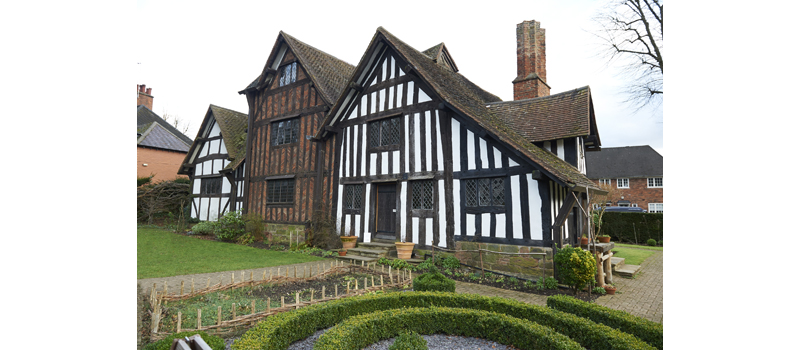
You are correct John, I've been looking for an alternative central heating system for many many years, I've seen lots of central heating engineers during that time. The problem is that I do not have access to an external wall which I could drill for a flue as this is a listed building. The back boiler has the flue in the chimney but this can no longer be done due to regulations. Hence the need to find an alternative (when my current boiler dies).

Regarding my original question, would 10mm² be safe?
 
The back boiler has the flue in the chimney but this can no longer be done due to regulations. Hence the need to find an alternative (when my current boiler dies).
Back boilers are very reliable, if ugly. It probably won't die anytime soon.
 
I agree John, this is something I have trying to avoid for a long time. One day my back boiler will break down, and since they do not make them anymore I am stuck; I cannot install a conventional combi boiler as I am not allowed to drill through external walls (the flat is in a listed building) :(
What's the issue with replacing with another gas boiler?
 
Last edited:
What's he issue with replacing with a gas boiler?
As above, back boilers are no longer made, and all current gas boilers require a flue but I am not allowed to drill through the walls due to being a listed building / flat.
 
As above, back boilers are no longer made, and all current gas boilers require a flue but I am not allowed to drill through the walls due to being a listed building / flat.
All boilers require a flue, beit a conventional flue (presumably as your current boiler) or a balanced flue. Has no one suggested running the balanced flue up the chimney?

10 years back I applied for a license with the local council to use a conventionally flued boiler. is that service no longer available?

I am aware you say a back boiler is not available, I'm attempting to address other points.
 
All boilers require a flue, beit a conventional flue (presumably as your current boiler) or a balanced flue. Has no one suggested running the balanced flue up the chimney?
I was told that the flue could no longer go into the chimney as a gas engineer should be able to examine the whole length of the flue; even with the installing of inspection hatches the whole length would not be accessible (this is a flat). Therefore my understanding is that the flue should be installed horizontally through a wall, which is my dilemma.
 
I was told that the flue could no longer go into the chimney as a gas engineer should be able to examine the whole length of the flue; even with the installing of inspection hatches the whole length would not be accessible (this is a flat).
Who by? Back boilers in chimneys are installed with a flue liner. Is this not good enough?
 
I was told that the flue could no longer go into the chimney as a gas engineer should be able to examine the whole length of the flue; even with the installing of inspection hatches the whole length would not be accessible (this is a flat). Therefore my understanding is that the flue should be installed horizontally through a wall, which is my dilemma.
How are they supposed to examine a flue buried through the wall.
 
Last edited:
This may be of interest, a listed building where the exhaust flue for a new boiler was run up through the existing chimney.

Thanks Bernard, I've been racking my brain trying to remember 'Keston'. IIRC the model will be S followed by the KW rating, so those will have been S30 (I hope I remember that right).
 
How are they supposed to examine a flue buried through the wall.
It's usually only a few inches and presumably at least the interior of it can be 'inspected'' from outside, by removing the terminal.

I have to say that I was unaware of this (presumably pretty new) requirement for the entire length of a flue to be 'inspectable'. My Aga has a 'liner' which must be about 15m long which goes up through a chimney, none of which is in any way inspectable!

Kind Regards, John
 
It's usually only a few inches and presumably at least the interior of it can be 'inspected'' from outside, by removing the terminal.

I have to say that I was unaware of this (presumably pretty new) requirement for the entire length of a flue to be 'inspectable'. My Aga has a 'liner' which must be about 15m long which goes up through a chimney, none of which is in any way inspectable!

Kind Regards, John
It's certainly not a requirement I'm aware of, working in the controls industry I've had quite a few jobs ensuring the liner installers also pull in our cable(s) for flue fans, emissions sensors etc.
 

If you need to find a tradesperson to get your job done, please try our local search below, or if you are doing it yourself you can find suppliers local to you.

Select the supplier or trade you require, enter your location to begin your search.


Are you a trade or supplier? You can create your listing free at DIYnot Local

 
Back
Top