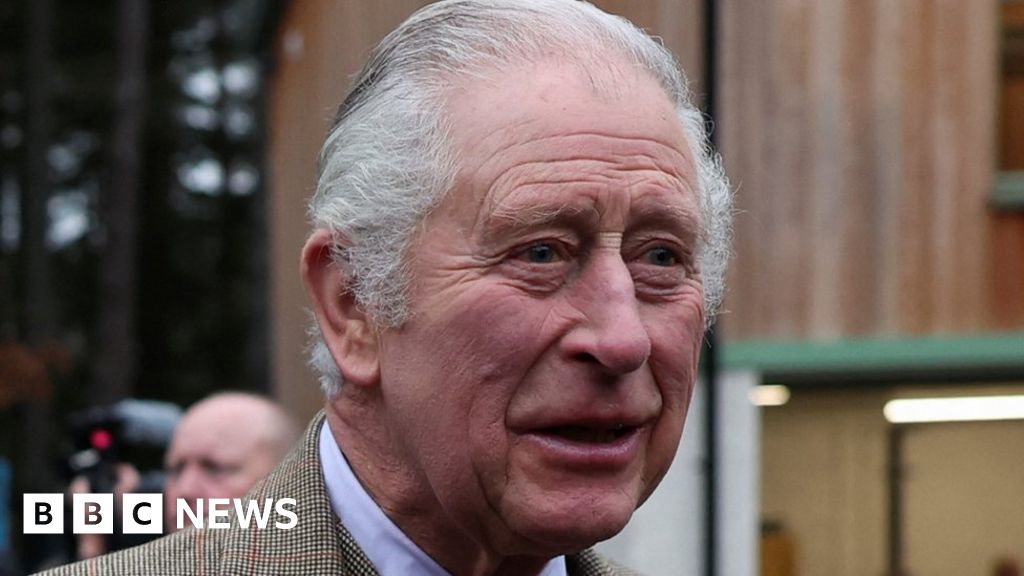
Charlie should be doing more
The crown estate – a vast portfolio of land and property – belongs to the reigning monarch “in right of the crown”. But it is not their private property. The monarch surrenders the revenue from the estate to the Treasury each year for the benefit of the nation’s finances, in exchange for the sovereign grant. The funding arrangement dates back to 1760, when George III reached an agreement to surrender his income from the estate in return for an annual fixed payment.
The monarch owns the seabed and half of the foreshore around large parts of England, Wales and Northern Ireland, generating revenues from oil and gas drilling rights and royalties, as well as wind and wave farm developments. The portfolio includes property across large parts of central London including St James’s and Regent Street, as well as farmland, offices and retail parks. The crown estate is also responsible for managing the Windsor estate, which includes parkland and ancient woodland, and Ascot racecourse.
The right to collect royalties from wind and wave power around the British coastline was handed to the monarchy in 2004, when
Tony Blair’s Labour government granted it through an act of parliament. Amid the transition to low-carbon energy,
seabed plots have become more sought after and lucrative for the crown over the last two decades.
The revenue from the crown estate is worth more than £312m a year. The total value of the crown estate’s properties swelled by 8.3% last year at £15.6bn. The current value of the seabed rights is estimated at £5bn, and the six newly awarded licences could generate up to £9bn over the next 10 years.
What more can he do?